Las Coloradas: the truth behind Yucatán's pink lakes
🚀 Key Takeaways
- Core concept : Pink color comes from high salinity and pigmented microorganisms.
- Practical tip : Visit at sunrise with a local guide from Río Lagartos to see flamingos and respect private salt ponds.
- Did you know : The lagoons are part of the Ría Lagartos Biosphere Reserve, an important Ramsar and bird habitat.
It feels unreal, like stepping into a painter's palette.
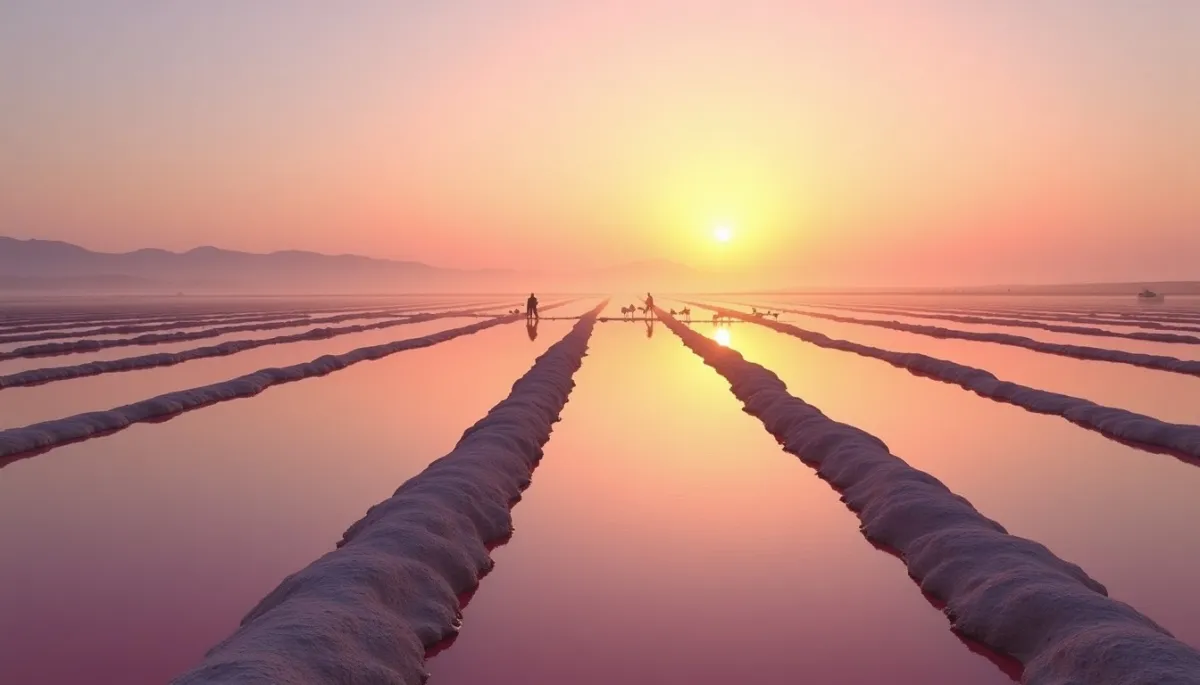
Imagine a flat, wind-swept coastline where long rectangular pools reflect the sky, each one a different shade of pink and rose. Salt workers push wheelbarrows of crystalline salt, white against the vivid water. Boats slide along narrow channels toward mudflats where flamingos graze, and tourists lift cameras to capture impossible colors. That is Las Coloradas, a string of salt evaporation ponds on the north coast of the Yucatán Peninsula, close to the fishing villages of Río Lagartos and Las Coloradas.
pink mirrors
The first thing visitors notice is color, and then the questions begin. Why are the ponds pink? How large is the area? Who manages them? The pink ponds near Las Coloradas are not a single natural lake but a system of salt pans used for artisanal and small-scale commercial salt production.
These basins lie within and beside the Ría Lagartos Biosphere Reserve, a protected coastal wetland created in the late 20th century to preserve mangroves, lagoons and birdlife. The landscape alternates between mangrove channels, oyster beds and the geometric lines of saltworks carved by human hands.
Tourism interest spiked after hundreds of images went viral on social networks in the late 2010s. Since then, the pink ponds have become an iconic Riviera Maya postcard, drawing photographers, influencers and curious travelers alongside the salt harvesters who live off this land.
how the pink appears
Color here is a biological and chemical story. As water evaporates in shallow basins, salinity rises. Certain microorganisms flourish in those conditions, notably halophilic (salt-loving) archaea and algae such as Dunaliella salina, which produce carotenoid pigments. These pigments — plus colonies of pigmented bacteria and brine shrimp — create shades from pale blush to deep magenta.
Salt producers control depth and flow, adjusting channels to concentrate brine. The pigment production depends on light, temperature and salinity, so hues change with the sun and the season. In high summer, when evaporation is intense, the color grows strongest.
Beyond aesthetics, the ponds are productive. Salt lifted by hand or machine has fed local markets for decades. Families and small cooperatives in Las Coloradas and nearby Río Lagartos have long combined fishing, salt and ecotourism as mixed livelihoods.
tensions and care
Popularity brings pressure. From 2017 onward, rising visitor numbers meant crowded road shoulders, off-limit access to private salineras, and disturbance of bird nesting sites. Flamingos (Phoenicopterus ruber) that feed in the shallows are sensitive to noise and sudden human presence.
Local communities, reserve authorities and tour operators have worked in recent years to regulate visits. Measures include restricting access to private ponds, steering tourists toward authorized lookouts and promoting Río Lagartos boat trips that combine birdwatching and geological context. These efforts aim to balance income from visitors with protection of fragile habitats.
Good practice for travelers: go with registered guides, avoid walking on salt crusts (they can break and harm the micro-ecosystem), keep distance from birds, and prefer early morning light for the best color. Support local businesses by buying artisan salt or booking a community-led tour — that keeps economic benefits in the region.
Thanks for reading, and don't forget, Enjoy Life Moments!