How Valladolid's Maya embroidery became a haute couture symbol
🚀 Key Takeaways
- Core concept : Maya embroidery from Valladolid has been adopted by designers as a living source of motifs and techniques.
- Practical tip : Visit local ateliers and markets to buy directly from families and learn the stories behind each piece.
- Did you know : Traditional motifs are often linked to community identity and seasonal rites, not just decoration.
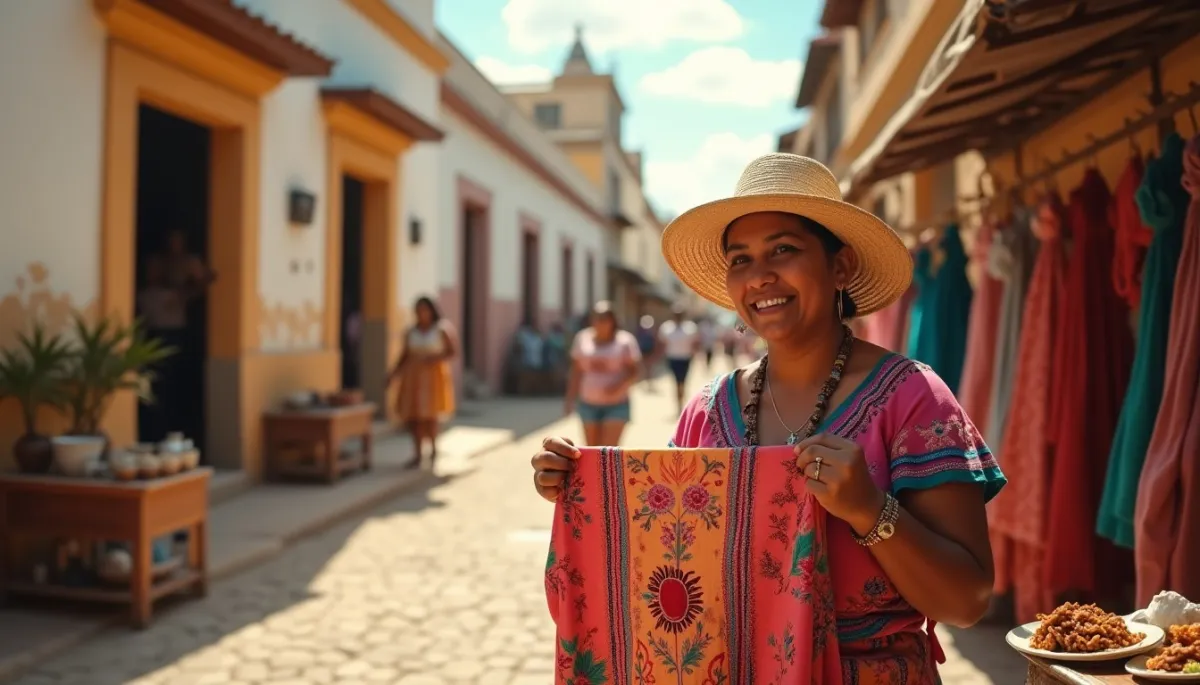
Valladolid sits at a cultural crossroads where indigenous knowledge and colonial histories meet. The embroidered huipiles and blouses made by Maya women have long been everyday wear and a language of belonging.
Over the last decade, these motifs and the hands that craft them have become visible on international runways and in luxury collections. That transition did not happen overnight. It is the result of sustained creative exchange, ethical sourcing efforts and a renewed pride from the communities themselves.
From kitchen table to couture house
The journey usually starts in small family workshops and communal looms where techniques are passed from one generation to the next. Embroidery in Valladolid is rarely just ornamentation. Stitches encode place names, cosmology and local floras, and they evolve as artisans respond to new materials and tastes.
Designers and stylists noticed these textiles for their authenticity and visual richness. Collaborations grew organically: a blouse reinterpreted with modern cuts, a motif enlarged for a runway collar. Responsible partnerships have helped elevate makers as co-creators rather than anonymous suppliers.
The techniques and meanings behind the stitch
Maya embroidery relies on a palette of symbolic motifs and a range of stitches such as satin stitch, chain stitch and tiny seed stitches. Colors are meaningful; certain hues reference fertility, water or community festivals. Understanding those codes enriches how fashion translates the work without erasing its meaning.
Natural fibers remain central. Cotton, handspun threads and locally sourced dyes continue to be preferred by many ateliers. When haute couture honours those materials and techniques, it can increase their value and encourage preservation, provided the relationship is equitable.
Collaborations that respect craft and community
Not all collaborations are equal. The most positive examples share profits, credit and skills. Some labels now co-design with artisan groups, train local tailors in pattern making and invest in workshop infrastructure. These practices protect cultural knowledge and provide viable incomes.
Tourists and buyers also play a role. Choosing pieces with clear provenance, asking about the maker and preferring direct purchase help circulate benefits in the local economy. Certification or documented stories make a garment more than an image, they make it accountable.
Where to experience Maya embroidery in Valladolid
Wandering Valladolid, you will find textiles displayed in markets, small boutiques and family run ateliers. Conversations with makers are invaluable. Ask how a motif was chosen, what the colours mean and whether a piece was hand or machine embroidered.
Workshops and short courses are common. Joining a hands-on session gives you a tactile appreciation of the time each piece requires. Bringing home a locally purchased huipil or scarf supports continuity and keeps an authentic souvenir that carries a story.
Thanks for reading, and don't forget, Enjoy Life Moments!