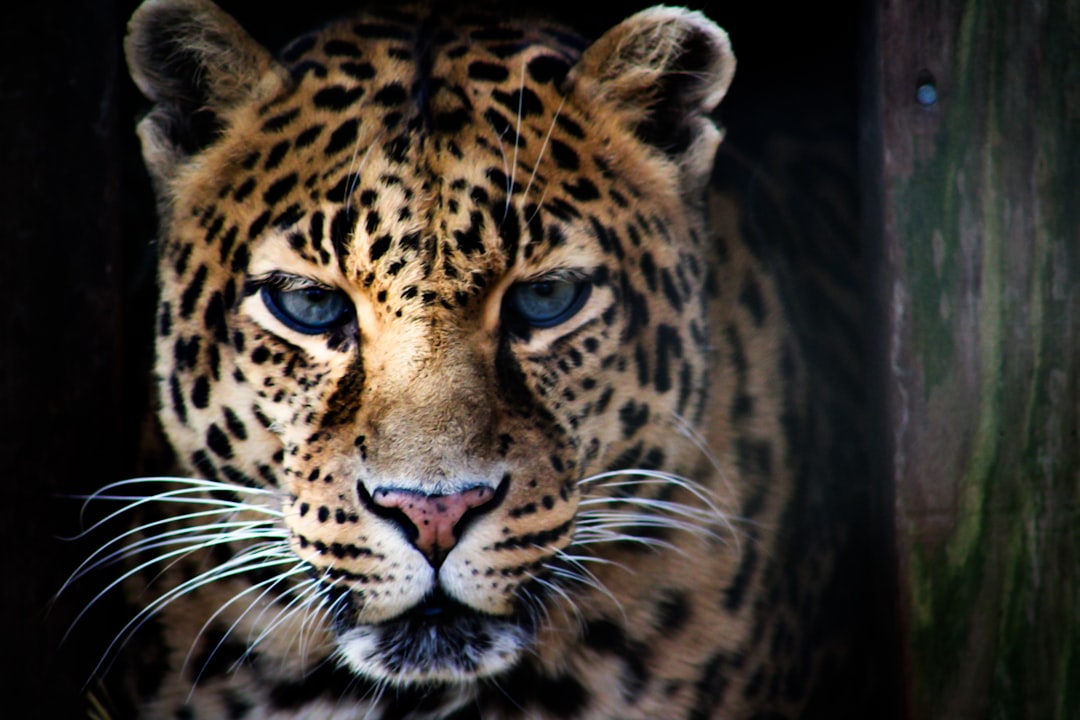
Are there pumas in Quintana Roo?
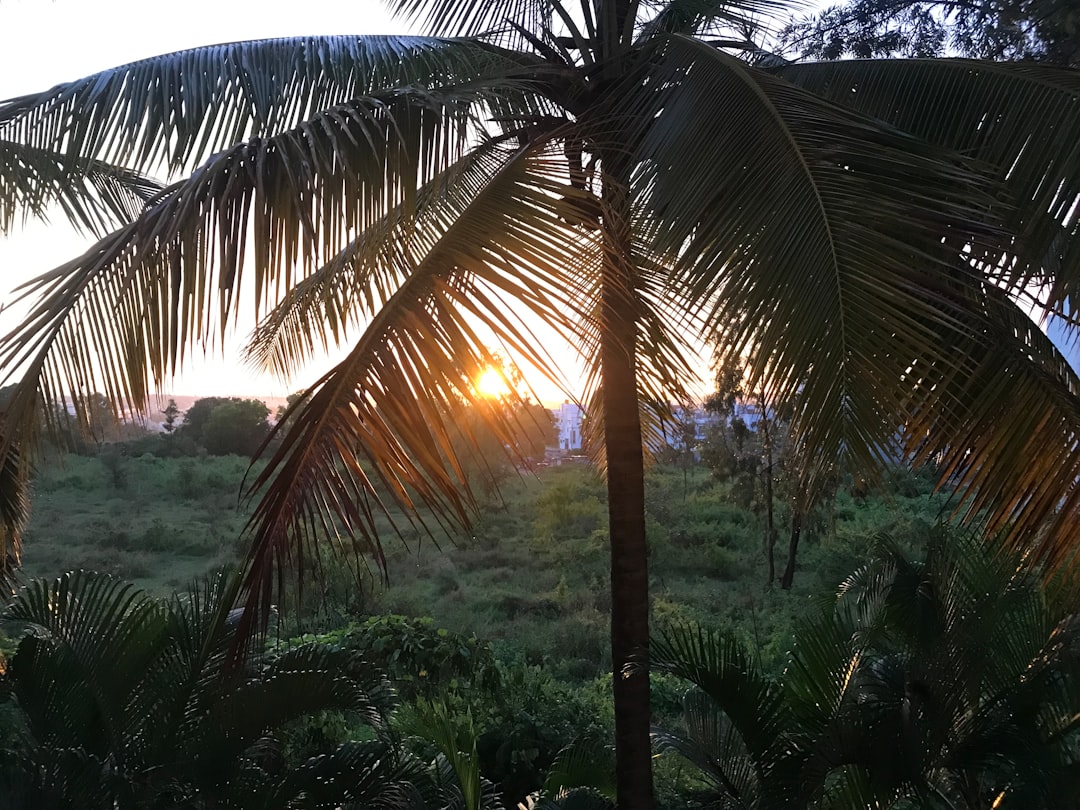
Quintana Roo, on Mexico's eastern Caribbean coast, is world-famous for its beaches and archaeological sites. Beneath the tourist veneer, however, lie stretches of tropical forest and wetland that can still host large mammals.
This article explains what scientists and local conservationists know about pumas (Puma concolor) in the state, how they differ from jaguars, where they might survive, and what visitors should know about wildlife safety and protection.
Puma presence in the Yucatán and Quintana Roo
Pumas, also called cougars or mountain lions, historically ranged across the entire Americas, including the Yucatán Peninsula. In Quintana Roo their presence is documented but patchy — populations are small and scattered compared with other regions of Mexico.
Researchers rely on a mix of methods to confirm puma presence: verified sightings, camera-trap photos, spoor (tracks), and occasional genetic samples. While jaguars attract more attention in the peninsula, pumas are real residents of some forested and less-disturbed zones.
Why sightings are rare near the Riviera Maya
The Riviera Maya is one of Mexico's fastest-growing tourism corridors. Urban expansion, roads, and agriculture have fragmented the forest, reducing habitat and isolating wildlife populations. As a result, large predators such as pumas avoid heavily developed areas.
Because pumas are elusive, primarily nocturnal, and avoid humans, most visitors will never encounter one. Many so-called "sightings" are misidentifications (feral dogs or jaguarundi), so verified records remain uncommon.
Where pumas may still live — protected areas and corridors
Pumas are most likely to persist in larger blocks of protected habitat and ecological corridors that connect them. In Quintana Roo and neighboring states, protected areas such as biosphere reserves and contiguous forests offer the best chances for their survival. For context on the region, see Quintana Roo - Wikipedia.
National and international conservation groups monitor these zones and promote connectivity between habitat fragments. For general information on puma biology and distribution, consult authoritative resources like National Geographic: Puma.
How pumas differ from jaguars and why that matters
Jaguars (Panthera onca) are more often associated with the Yucatán because they prefer dense rainforest and have distinctive spotted coats. Pumas are usually tawny or grey, unspotted as adults, and are more adaptable to varied habitats, including scrub and open forest.
This difference means that, while jaguars are a conservation icon in the region, pumas may survive in smaller, more fragmented patches — but their populations are often unsustainable without active protections and habitat corridors.
What it means for visitors and conservation
If you’re visiting the Riviera Maya, enjoy guided wildlife tours and respect protected areas. Do not attempt to find or approach large carnivores — sightings are rare and trying to locate them disturbs critical habitat and can be unsafe.
Support local conservation initiatives, travel with certified guides, and favor lodges and tour operators that practice responsible wildlife tourism. These simple choices help maintain the forest patches that make puma persistence possible.
Thanks for reading, and don't forget, Enjoy Life Moments!