Sound healing: why crystal vibrations are sweeping the Riviera Maya
🚀 Key Takeaways
- Core concept : Crystal sound healing uses quartz bowls and focused frequencies to create a meditative, physical sensation.
- Practical tip : Try a short 30-minute session at sunrise on a Tulum beach or inside a cenote for a safe first experience.
- Did you know : Modern crystal bowls have roots in ancient singing bowl traditions, adapted here to the coastal wellness scene.
The first note is felt before it is heard, a low, shimmering roll that vibrates through feet, ribs and sometimes memory.
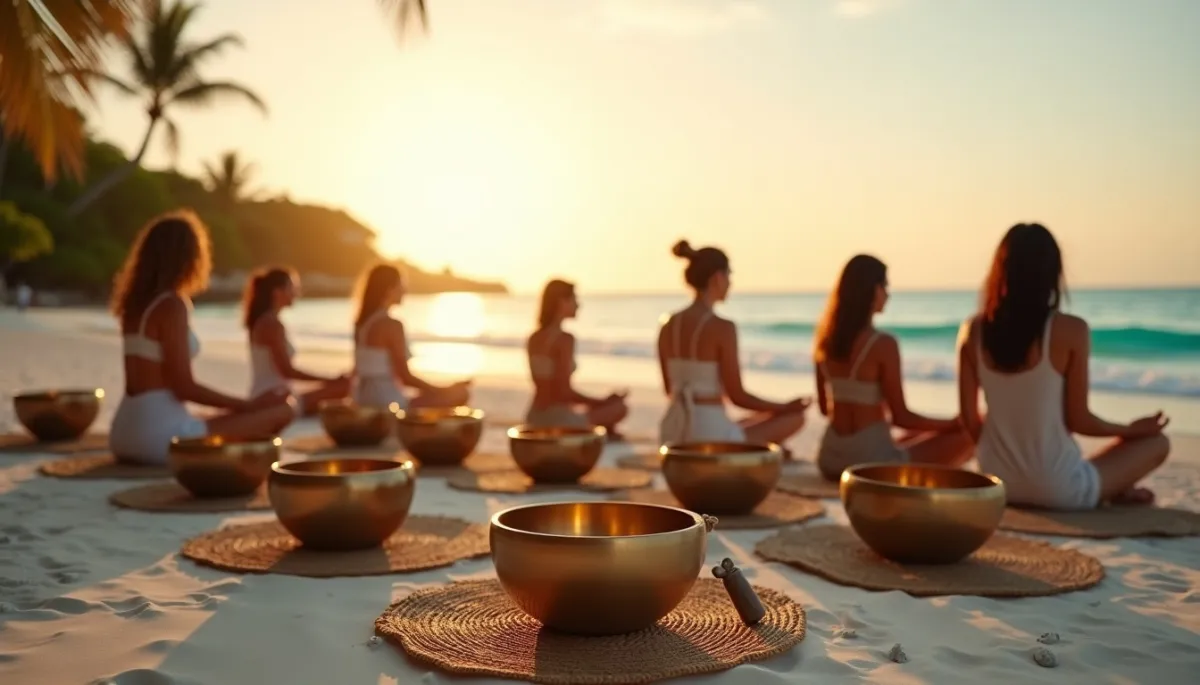
On deserted Playa Paraíso at dawn, a guide arranges crystal singing bowls in a crescent. A dozen people sit on thin mats, eyes closed, salt on their skin from last night's swim. A light breeze carries the sound toward the palm line. This scene repeats now in boutique hotels, jungle studios and even on boats cruising off Cozumel. What started as a few practitioners in eco-resorts has become a visible current: morning sound baths, full-moon ceremonies and branded retreats featuring quartz vibrations alongside yoga and temazcal.
sons qui marquent
Case studies make the trend concrete. In Tulum, several beachfront shalas host weekly crystal sound baths drawing both locals and international tourists; in Playa del Carmen, studios offer evening sessions after work; in Valladolid, a restored colonial house now doubles as a space for sound meditations that tie to Mayan calendar workshops. Participants report lowered anxiety, better sleep and a sensation of being ‘reset’ after one session. A dive instructor in Akumal told me she prefers a short sound set before night dives to slow heart rate and steady nerves.
These stories are not just anecdotes. Small clinics and therapists in Cancún and Puerto Morelos have started integrating sound sessions into post-trauma plans and stress-reduction protocols. A community center near Sian Ka'an used crystal bowls during a collective grief gathering after Hurricane season, describing the effect as both communal and somatic. The repeated accounts, from celebrity retreat visitors to local fisherfolk experimenting with sound, show a range of adoption.
Practical tips emerge from these examples. If you are new, check whether the facilitator explains the bowls' materials (single-crystal quartz vs mixed crystal), offers a short introduction, and provides water and a cool-down period. Sessions outdoors expose you to nature's background frequencies, which many participants find complementary. For safety, those with epilepsy or certain health conditions should consult a physician first.
les causes profondes
Why is crystal sound healing taking root here? The Riviera Maya combines several amplifiers: a long-standing wellness tourism economy, abundant natural sites that favour immersive experiences, and a global post-pandemic desire for practices that feel both tangible and restorative. Quartz bowls are visually striking on Instagram, yes, but their appeal runs deeper. They promise a direct sensory encounter, something people crave in a digital age.
There is also a local logic. The region's cultural landscape, layered with Mayan cosmology, cenotes used historically for ritual, and a mythology of natural healing, creates fertile ground for modalities framed as ancient or earth-linked. Retreat designers sometimes weave Mayan references into sound sessions; responsible practitioners distinguish between cultural inspiration and appropriation, inviting local voices and paying community fees when ceremonies touch on ancestral themes.
Economics plays a role. Small-scale entrepreneurs—musicians, yoga teachers, therapists—find that sound sessions require modest investment but can be offered repeatedly. Crystal bowls, once artisanal and rare, are now widely available at multiple price points, making the modality scalable across hotels, spas and pop-up events.
tensions et perspectives
However, the spread of crystal sound healing raises contradictions. Commercialization can dilute purpose. A 20-minute “sound drop-in” at a tourist market is not the same as a carefully framed 90-minute therapeutic session. Some critics warn of wellness greenwashing, where exotic references are used to sell experiences without cultural context or therapeutic qualifications.
There are also debates about evidence. Scientific studies on sound therapy exist but vary in quality. Mechanisms proposed range from vibration affecting brainwave patterns to placebo and breath-regulation effects tied to the meditative context. Responsible facilitators present sound as a complementary practice rather than a cure-all, and many now collaborate with therapists, physiotherapists or community healers.
Looking forward, expect maturation. Professional training programs, clearer ethical guidelines about cultural reference, and hybrid offerings that combine sound with somatic therapy are already appearing. For travellers wanting an authentic and safe experience, choose practitioners who explain their method, welcome questions, and integrate local knowledge respectfully.
Insider tip: attend a session in a cenote at late afternoon. The stone echoes add a different spectrum to the bowls, and surface reflections make the experience oddly cinematic. Bring water, wear light layers, and arrive 15 minutes early to acclimatize.
Thanks for reading, and don't forget, Enjoy Life Moments!