Why does the sea change color in the Riviera Maya?
🚀 Key Takeaways
- Key concept : The sea changes color because of a mix of depth, sandy sediments, seagrass beds, plankton blooms and freshwater outflows from cenotes.
- Practical tip : Mid-morning on calm days gives the clearest contrasts; snorkel in shallow reef areas to see the most vivid tones.
- Did you know : Local Maya communities have long linked color shifts to seasonal winds and freshwater pulses, and fishermen use those cues to read the sea.
The Riviera Maya's palette is a product of geology, biology and light. From the white sand flats to the deep blue of the Mesoamerican Reef, each layer scatters sunlight differently and creates the shades you see from boat or shore.
But color is not only pretty, it is informative. It tells a story about water depth, the presence of microscopic plants, recent rainfall, and even the connection between the coast and the vast underground cenote network.
What physically changes the water color?
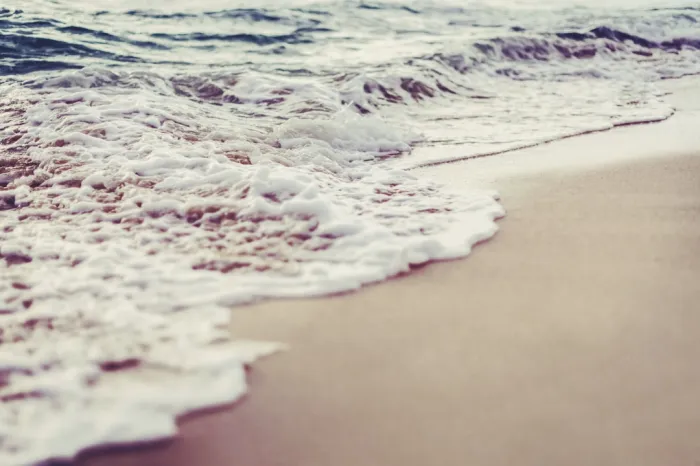
Light behaves differently depending on what is in the water and how deep it is. Shallow, sandy bottoms reflect more light and look turquoise, while deeper water absorbs the red end of the spectrum and appears deep blue. Suspended particles such as stirred-up sand or river sediment add brownish or murky tones.
Microscopic life plays a big role. Phytoplankton and certain types of algae, when they bloom, can turn water green or even brown. Those blooms vary with nutrients, temperature and sunlight. As noted by The New York Times, plankton dynamics are a major factor in coastal color changes worldwide.
How cenotes and freshwater influence coastal hues
The Yucatán Peninsula is honeycombed with cenotes and subterranean rivers that feed the coast. When heavy rains push fresh, often tannin-stained water out to sea, the coastal color can shift suddenly toward darker or tea-like shades where the fresh water sits atop denser seawater.
These freshwater pulses also carry nutrients and organic matter that can trigger local plankton responses. International reporting, for example from BBC, explains how freshwater inputs alter coastal ecosystems and visual appearance in many regions, and the Riviera Maya is no exception.
Seasonality and weather: when are colors most dramatic?
Season matters. During the dry season the sea is often clearer, with brilliant aquamarine over white sand. The rainy season brings more runoff and occasionally higher plankton concentrations, creating greener or murkier swathes.
Wind and swell also change the show. Calm mornings let light penetrate and reveal contrasts, while windy afternoons stir sediments and smooth out color differences. Plan your outings accordingly if you want the most photo-friendly moments.
Best places and tips to observe the shifts
Shallow sandbanks around Isla Holbox and parts of Cozumel show striking turquoise caused by reflected sunlight. The stretch between Playa del Carmen and Tulum, where reef, seagrass and cenote outflows meet, offers rapid color transitions you can watch from a boat.
If you snorkel, pick a calm day and head to shallow reefs early. Use polarized sunglasses from shore to spot color bands before you get in. Respect local rules: some zones are protected to conserve seagrass and coral that help maintain those colors.
What the color changes tell us about the environment
Color shifts can be warnings as well as wonders. Persistent browning or widespread algal blooms may signal nutrient overloads or warming waters, both linked to human activity and climate trends. Observant visitors and locals often notice changes before formal studies are published.
Supporting responsible tourism and local conservation efforts helps keep the sea vibrant. Small actions matter, from avoiding sunscreen with harmful chemicals to choosing operators who follow reef-friendly practices.
Thanks for reading, and don't forget, Enjoy Life Moments!