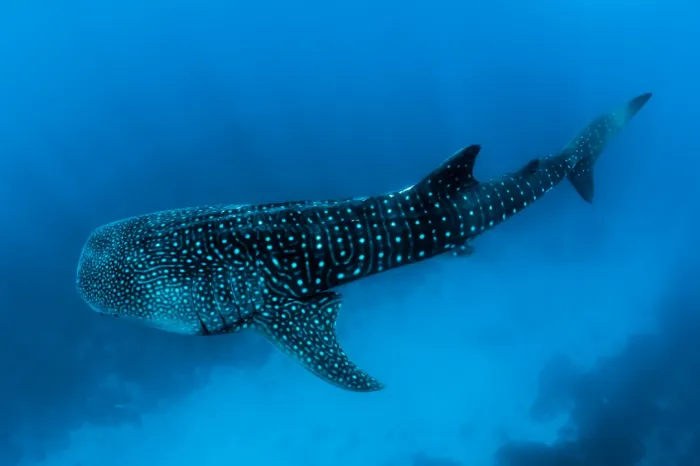
Do whale sharks pass near the Riviera Maya?
🚀 Key Takeaways
- Key point: Whale sharks visit waters off the Yucatán Peninsula seasonally, including areas near the Riviera Maya.
- Practical tip: The best months are usually late spring to early autumn; book guided tours with certified operators.
- Did you know: Local communities depend on responsible tourism income, so choose operators that follow conservation rules.
The Riviera Maya is famous for turquoise waters and coral reefs, but its relationship with whale sharks is seasonal and local. These encounters are not constant year-round, yet when conditions align, sightings can be spectacular and accessible from popular beach towns.
Understanding when and where to look, and how to behave, transforms a chance sighting into a safe, memorable experience. Below I explain the patterns, the best practices and the conservation context you should know before you go.
Where and when to see them
Whale sharks follow plankton blooms and fish spawn, which are driven by currents and seasonal upwellings. Off the Yucatán, whale shark season typically coincides with warmer months when food concentrates near the surface.
While large gatherings are most famous at Isla Holbox and near Isla Mujeres, boats from the Riviera Maya can reach hotspots during peak months. Plan for the local season and check recent reports from operators before booking.
How to join responsibly
Choose licensed guides who limit group size and enforce safe distances. Operators that follow local regulations will brief you on approaching, swimming beside and photographing whale sharks without disturbing them.
Regulations evolve, and research is ongoing. For context on marine tourism and rules, see reporting by BBC and guidelines from conservation groups. Supporting compliant tours helps both the animals and coastal communities.
What to expect on the water
Expect early departures and variable sea conditions. Even in season, visibility and animal presence are not guaranteed, so tours often include other snorkeling options like cenotes or reefs to make the day worthwhile.
Encounters are typically calm and non-aggressive; whale sharks filter-feed and are curious but indifferent to humans. For a sense of how tours are run and traveller experiences, articles in The New York Times offer useful perspectives on ethics and safety.
Conservation and local impact
Whale shark sightings support livelihoods but also require careful management to prevent harassment and stress to the animals. Local NGOs and authorities monitor interactions and issue guidelines to protect both species and tourism value.
As a visitor, your best action is simple: follow briefings, avoid touching or chasing the animals, and prefer operators that reinvest in conservation. Small choices have outsized effects on the long-term health of the ecosystem.
Thanks for reading, and don't forget, Enjoy Life Moments!