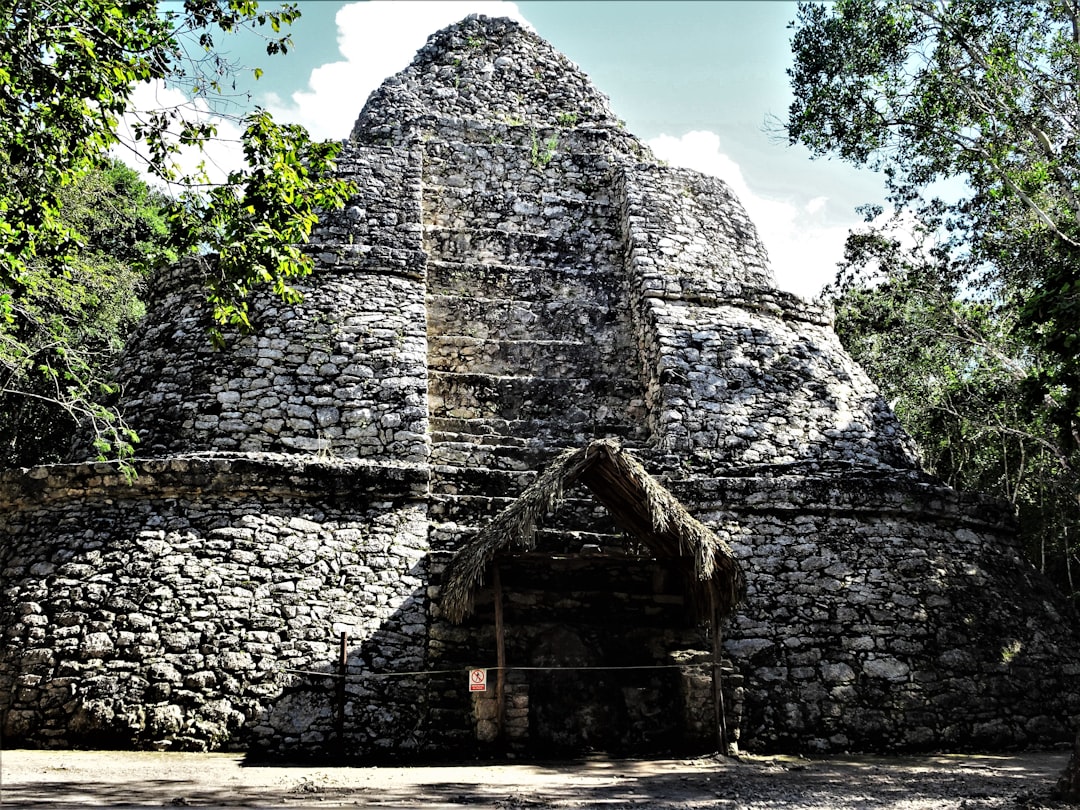
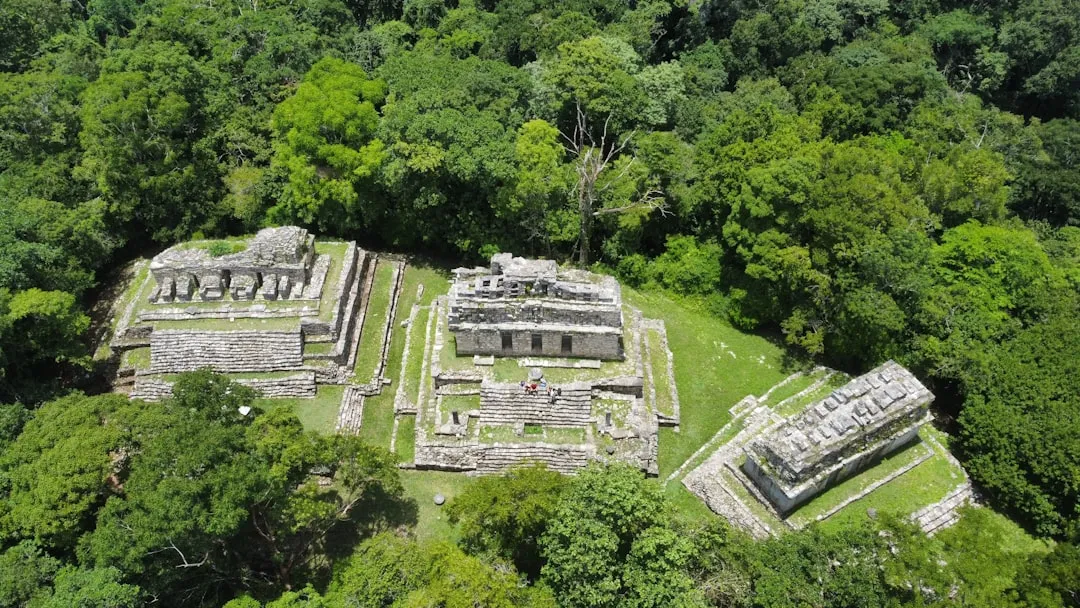
Mayan cuisine: traditions, flavors, and heritage
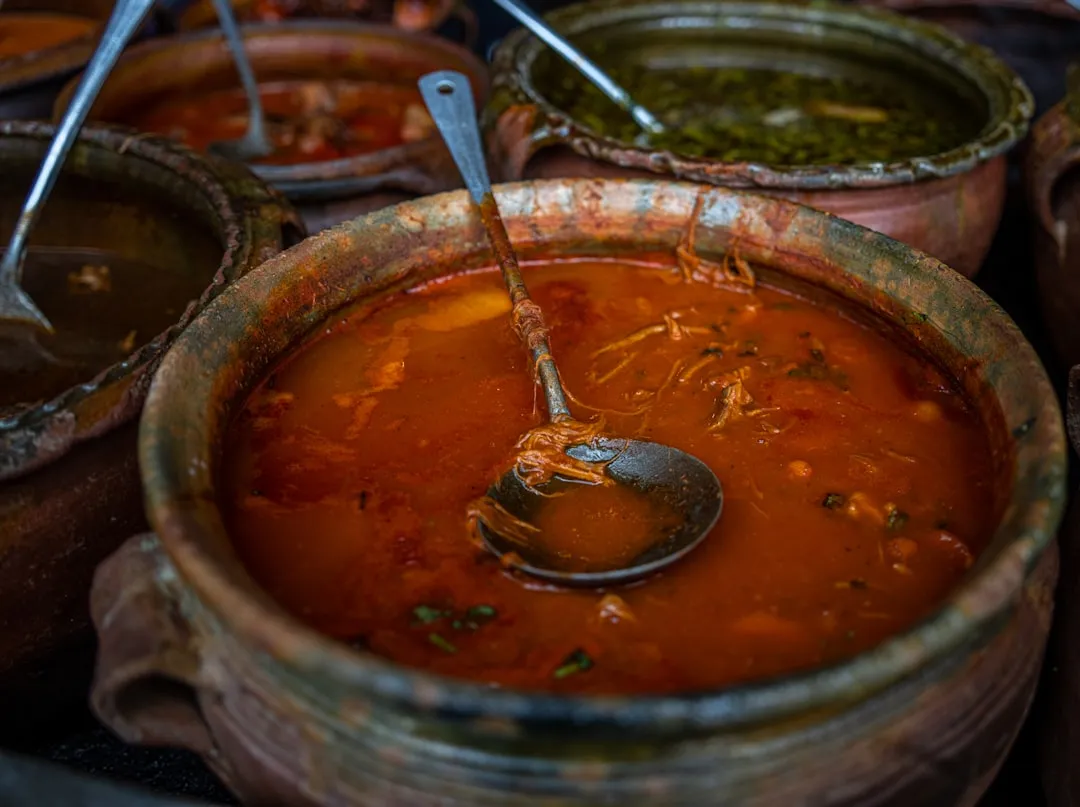
Mayan cuisine is not only a set of recipes; it is a living archive of agriculture, trade and spiritual practice that continues to shape identities across the Yucatán Peninsula. From roadside stalls to family kitchens, traditional ingredients and techniques survive and adapt.
In 2026 the Riviera Maya remains a prime place to taste this culinary heritage—where community cooks, modern chefs and market vendors present the flavors of maize, cacao and native chiles in surprising and authentic ways. This article maps the traditions, explains hallmark flavors and points you to the best ways to experience them responsibly.
Origins: maize, the three sisters, and sacred ingredients
At the heart of Mayan foodways is maize: nixtamalized corn is the foundation of tortillas, tamales and many breads. The agricultural trio of maize, beans and squash—often called the "three sisters"—provided balanced nutrition and shaped seasonal menus across generations.
Other staples include a wide palette of chiles, wild greens (quelites), squash flowers, pumpkin seeds, achiote (annatto), and cacao, once used as currency and offering in ceremonies. These ingredients are closely tied to rituals, cosmology and local ecological knowledge.
Traditional techniques and signature flavors
Classic techniques such as nixtamalization (soaking and cooking corn with alkaline ash), pit-roasting (pib) and slow braising create deep, smoky and layered flavors. In the Yucatán, marinades based on sour orange, achiote paste, and a balance of earthy and citrus notes define many regional dishes.
Expect to encounter iconic plates like cochinita pibil (banana-leaf-wrapped, achiote-marinated pork slow-cooked in a pit), poc chuc (citrus-grilled pork) and panuchos or salbutes—tortillas prepared with beans and topped with pickled onions, avocado and shredded turkey or chicken.
Cacao, ceremony and the social plate
Cacao was central to Maya ritual life long before it became the chocolate consumed globally. In the Riviera Maya, traditional cacao preparations—often spiced, unsweetened or fermented—connect food with rites of passage and communal gatherings.
Sharing food remains a social act: communal tamale making, market meals, and festival feasts reinforce family ties and local identity. Foodways are also a vehicle for storytelling, where recipes are memory and recipe-givers are cultural custodians.
Modern revival, resilience and sustainability
Over the last decade, chefs and community projects across the Riviera Maya have focused on reviving heirloom corn varieties, promoting sustainable fishing, and protecting agroecological practices. These efforts aim to keep traditional ingredients available and to ensure fair incomes for small producers.
Contemporary kitchens blend respect for ancestral techniques with creativity—resulting in restaurants that celebrate authentic flavors while adopting sustainable sourcing and seasonality. Travelers are encouraged to seek out community-led food tours, local markets and family-run kitchens rather than only resort dining.
Where to taste Mayan cuisine in the Riviera Maya
The best introductions come from markets, roadside stands and casa de comida where recipes are often matriarchal legacies. In towns like Valladolid, Tulum and Playa del Carmen you can find market stalls selling fresh tortillas, cochinita pibil, tamales and traditional drinks.
For practical planning, check regional listings and traveler reviews on TripAdvisor and background information on Mexican culinary history at Wikipedia. Balance popular spots with small, local establishments to support community economies.
Tips for respectful culinary travel
Engage with hosts and vendors, ask about ingredients and preparation, and respect food customs—many dishes are associated with specific festivals or family events. Photography is usually welcome, but always ask before joining a household meal or recording a cooking demonstration.
Prioritize dishes made with local, seasonal produce and buy from stalls that work directly with farmers. This supports the ongoing survival of traditional crops and ensures your culinary discovery has a positive impact.
Thanks for reading, and don't forget, Enjoy Life Moments!