Why did the Mayans disappear?
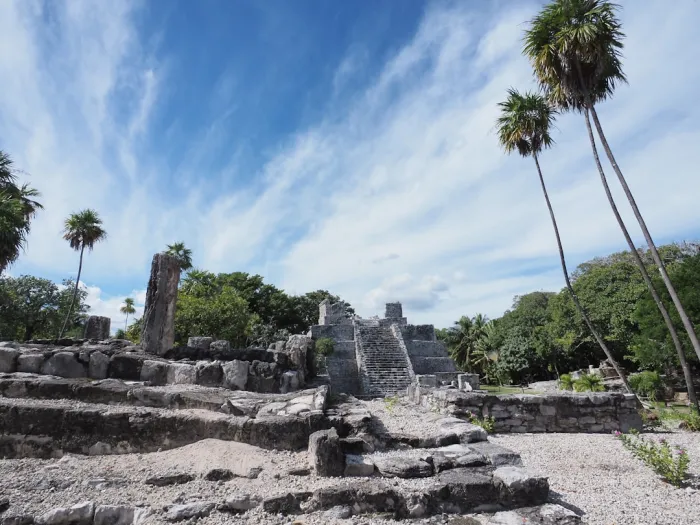
The question "Why did the Mayans disappear?" is often asked by travelers standing before sun-baked stone temples on the Riviera Maya. The short answer: many Classic-period cities were abandoned, but Maya people and their culture persisted — and scholars continue to refine the full story.
This article breaks down the current consensus and debates, highlights the main causes proposed by archaeologists and climate scientists, and explains what the Maya legacy means for visitors today on the Riviera Maya.
What does "disappear" really mean?
When people ask why the Maya disappeared, they're usually referring to the Classic Maya collapse between the 8th and 10th centuries CE, when many large lowland city-centers were abandoned. Monument building slowed, population centers shifted, and political power fragmented across the region.
"Disappear" is misleading: millions of Maya descendants remained and continue to live across Mexico and Central America. Cities like Chichén Itzá, Uxmal and later Tulum illustrate continuity and transformation rather than total extinction.
Major factors that contributed to the collapse
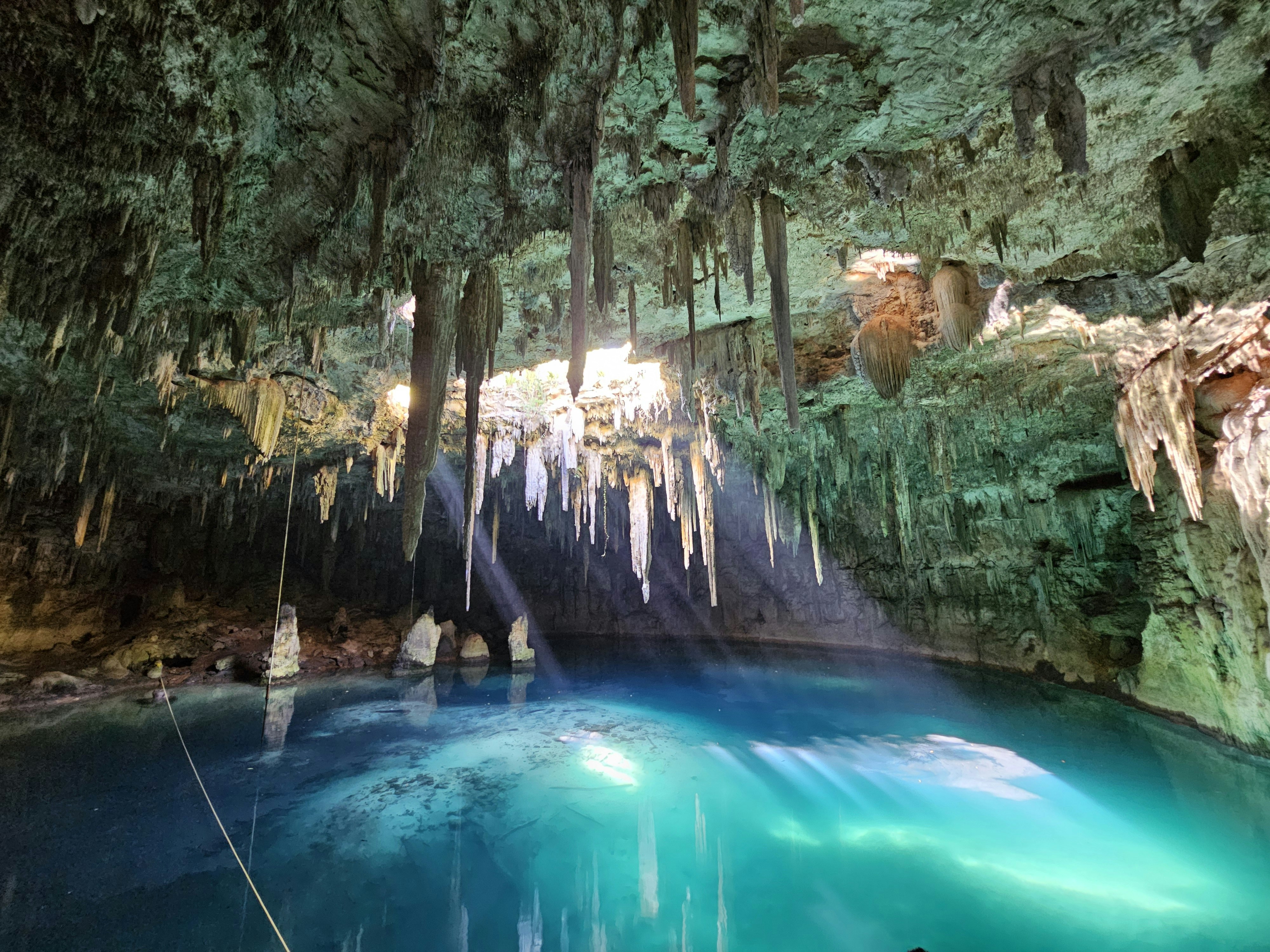
Climate records and archaeological evidence point to prolonged and severe droughts as a critical stressor. Paleoclimatology studies — including lake sediments and cave stalagmites — show multi-decade dry periods that would have strained agriculture and water supplies.
Environmental degradation amplified vulnerability: deforestation for building and farming reduced soil fertility and water retention, making recovery from drought harder. Political competition, internal strife, and intensified warfare further weakened city-states and disrupted trade and food distribution networks.
How scholars combine evidence
Modern explanations favor a multi-causal model rather than a single cause. Archaeologists combine settlement surveys, epigraphy, and radiocarbon dating with climate proxies to reconstruct timelines of decline. For accessible syntheses and visuals on these topics, see this National Geographic summary: National Geographic on the Maya collapse.
For technical overviews and references to many studies, this Wikipedia entry collects research findings and debates: Collapse of the Maya civilization — Wikipedia. Both resources are useful starting points, though primary research articles remain essential for nuance.
Recent developments and ongoing debates (as of 2026)
By 2026, interdisciplinary work continues to refine the picture. High-resolution climate records now align more closely with signs of sociopolitical stress in some regions, strengthening the drought-plus-society interaction model. Yet chronology matters: not all sites fell at the same time or for the same reasons.
Researchers also emphasize resilience: some communities adapted by shifting agriculture, reorganizing political alliances, or moving to more sustainable areas. New discoveries occasionally change timelines and force re-evaluation, so the narrative remains dynamic.
Legacy, survival and visiting the Riviera Maya today
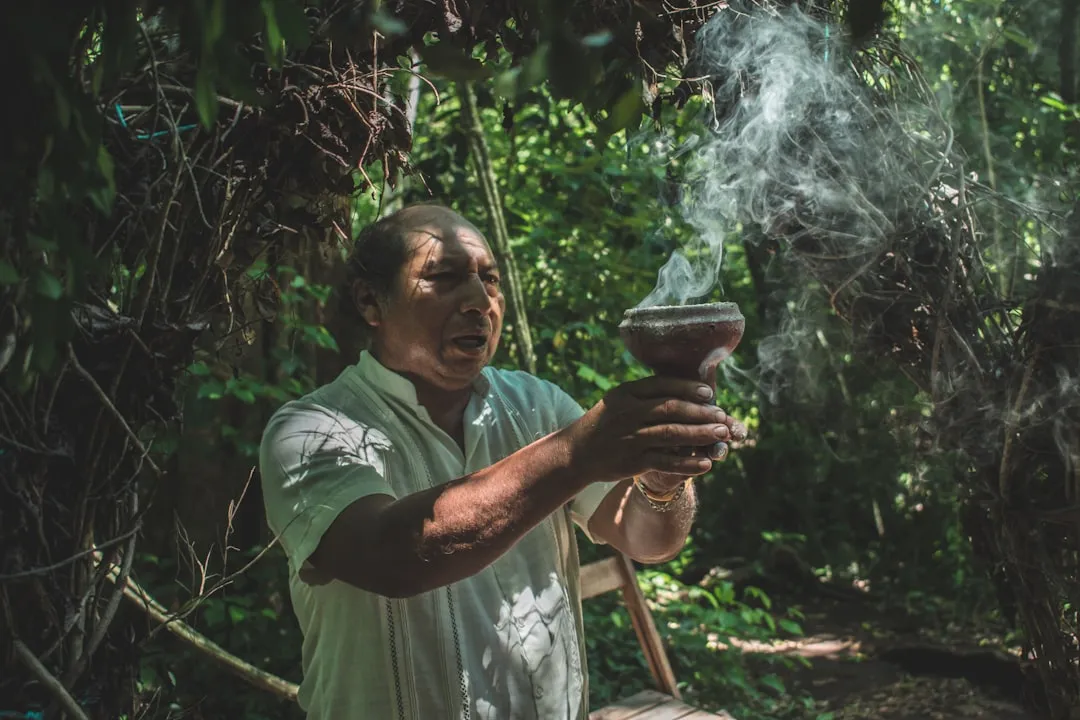
The Maya did not disappear — their descendants are vibrant across the peninsula, preserving languages, crafts and traditions. Visiting ruins on the Riviera Maya (Tulum, Coba, nearby cenotes and museums) offers insight into both the achievements of Classic cities and the living culture that follows.
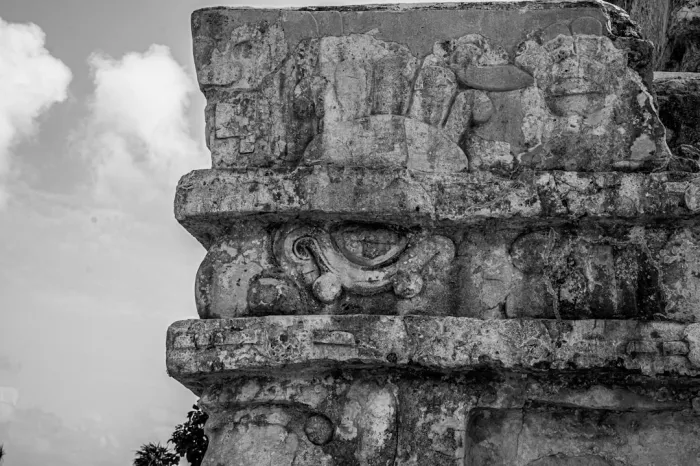
Travelers should approach sites with respect: avoid touching carvings, follow local guidelines, support community-run cultural centers, and learn from local Maya guides who carry oral histories and perspectives often absent from older textbooks.
Thanks for reading, and don't forget, Enjoy Life Moments!