Speleology and underground caves: the hidden world beneath the hills of Grasse
🚀 Key Takeaways
- Core concept : The limestone hills around Grasse hide karst caves formed over millions of years.
- Practical tip : Join a certified guide or a local speleology club; check seasonal closures for bats.
- Did you know : Modern speleology in France took off with Édouard-Alfred Martel in the late 19th century.
Silence has a texture here.
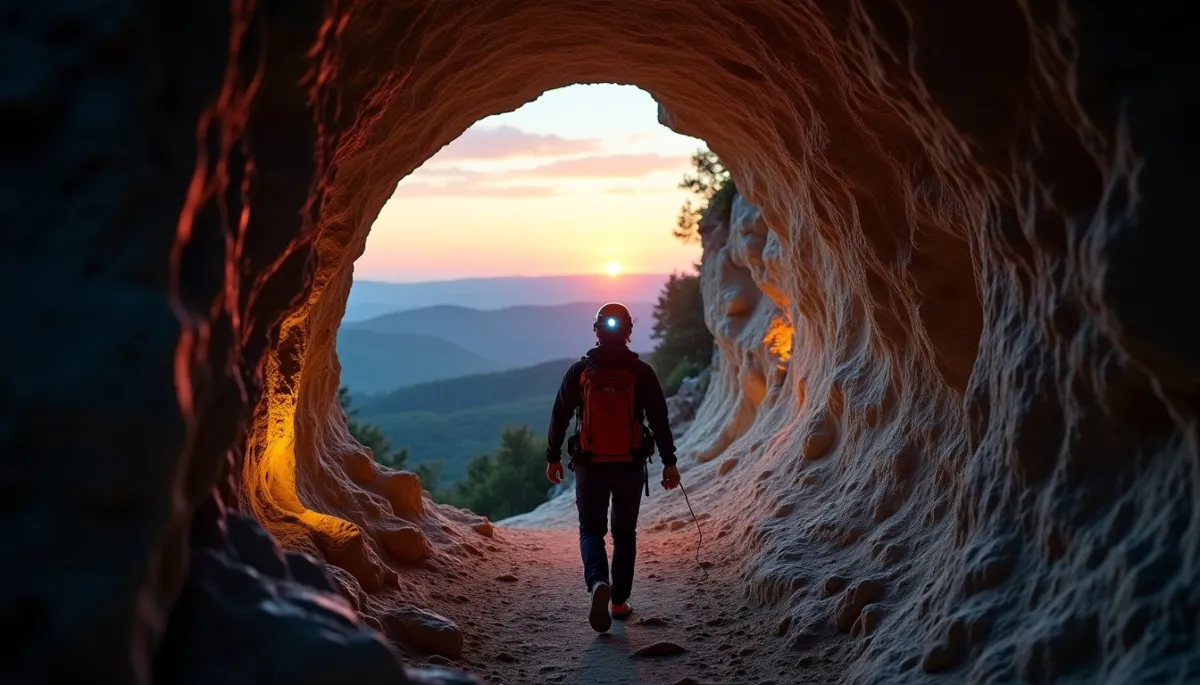
Imagine descending from a sunlit path near Grasse into a cool throat of stone. Headlamp cones cut columns of dust. Drips write slow scores on stalagmites. Outside, the perfume capital hums with tourists and jasmine; a few steps below, centuries of limestone sleep, punctuated by the small, bright lives of cave beetles and bats.
Beneath the hills
The hills that cradle Grasse are largely composed of Jurassic and Cretaceous limestones, sculpted by water into karst landscapes. Over millions of years, rainwater acidified by soil carbon dioxide dissolved the rock, creating fissures, shafts and galleries. The result is a network of caves and underground streams that are integral to the local hydrogeology.
Local names like the valleys of the Siagne and the Loup indicate drainage axes where subterranean water has been active. Some cavities are walkable show caves, others remain tight, known only to speleologists. The region never rivaled the great Ardèche caverns, but its intimacy is part of the attraction: passages that feel discovered rather than staged.
Speleology here combines exploration and science. Cavers map passages, measure microclimates, and look for fossil layers. The work feeds broader knowledge about water resources, rock stability and biodiversity. In short, those silent voids matter above ground, for town planners and perfumers alike.
Why explorers come
Modern cave exploration in France owes much to Édouard-Alfred Martel (1859-1938), who popularized systematic surveying of subterranean systems in the 1890s. His methods inspired generations of amateur and professional clubs across Provence and the Côte d'Azur throughout the 20th century.
Locally, passion for spelunking grew after World War II, when organized clubs began to form and equipment improved. Caving attracts people who want to move beyond postcard panoramas: scientists mapping karst aquifers, photographers seeking otherworldly light, and couples looking for a shared physical challenge off the beaten path.
There is also an educational angle. Schools and universities use nearby caves to teach geology and ecology. The Musée International de la Parfumerie in Grasse, though focused on scent, shares exhibitions explaining how limestone and microclimates shape the landscapes that grow aromatic plants. The subterranean complements the scented surface world.
Tensions and care
Caves are fragile environments. Stalactites grow at rates often counted in millimetres per century. Human presence brings dust, lint, and sometimes graffiti. Moreover, caves are critical refuges for bats. Disturbing hibernation or maternity colonies can cause population collapse.
For that reason, many natural cavities are closed seasonally or accessible only with an authorized guide. Practical rules: avoid visiting during key bat periods, follow decontamination protocols if working in many sites (to limit spread of fungal pathogens), and use low-impact lighting. Local environmental associations can provide exact closure dates and recommended practices.
From a safety standpoint, never attempt an independent push into unexplored shafts. Flash floods, tight squeezes and sudden drops demand training and proper gear: helmet, reliable headlamp, backup lights, ropes and knowledge of rescue procedures. Joining a certified speleology club is the best way to learn while staying safe.
Thanks for reading, and don't forget, Enjoy Life Moments!