Why the Riviera has fascinated for a century
🚀 Key Takeaways
- Concept key : A blend of climate, culture and celebrity that created a durable myth.
- Practical tip : Visit in May or September for the best light and fewer crowds.
- Did you know : The name "Côte d'Azur" was popularized in the 19th century and helped market the region internationally.
Sun on the oliviers, a silver-blue sea, and the soft clack of a train along the corniche. That is the Riviera as memory and marketing combined to build it.
The immediate consequence of that mix is visible everywhere: hotels like the Negresco in Nice, the Carlton in Cannes, villas such as Kérylos in Beaulieu or the Ephrussi on Cap-Ferrat, each telling a story of wealth, patronage and creative exile. The Riviera became the stage where aristocrats, artists and industrialists met, wintered and rewrote social calendars. By the early 20th century, medical tourism had already arrived: doctors recommended the mild winters for respiratory health, and wealthy British families established the promenade culture along Nice. The arrival of the railways made access easier, turning seasonal retreats into enduring settlements. Museums and festivals followed; the Palais des Festivals in Cannes and the annual film festival from 1946 turned cinematic glamour into an engine of global fascination.
Mai, lumière et conséquence visible
Artists left concrete traces. Matisse made Nice his workshop. Picasso worked in Antibes after the war and filled local studios with experiments that transformed modern art. Their presence was not anecdotal. When painters and musicians set up in small towns like Saint-Paul-de-Vence or Juan-les-Pins, they brought audiences, collectors and galleries. That created an economy of culture that fed hospitality and craftspeople.
There are tangible relics: museums such as the Musée Matisse in Nice, the Musée Picasso in Antibes, and foundations like Maeght near Saint-Paul-de-Vence. They anchor the artistic reputation of the coast and make the history accessible to travelers who want context beyond beaches.
Other consequences are social and economic. The Grand Prix of Monaco, first held in 1929, and the Cannes Film Festival elevated the Riviera to a calendar of spectacles. These events attract international media, sponsorship and wealth, reinforcing the coastline’s image as a place where visibility and prestige meet private pleasure.
Août, pourquoi la fascination s'est construite
The why is a layering of concrete reasons: climate, geography, infrastructure and social signaling. Mild winters, a mosaic of sheltered bays and promontories, and a coastline that alternates between village intimacy and grand hotels offered both refuge and display. The English winter visitors of the 19th century, medical prescriptions for sea air, and the writings of travel promoters created demand. The phrase Côte d'Azur, tied to tourism literature from the late 19th century, became a brand before branding existed.
Patronage played its part. Wealthy collectors and industrial dynasties bought land and built villas, commissioning gardens and salons that hosted composers, writers and politicians. The patronage of figures such as the Rothschilds or the commissioning of Le Corbusier’s later Cabanon contributed to the cultural cachet. Private investment funded public spectacles: jazz festivals in Juan-les-Pins from 1960, for example, fused local nightlife with international music scenes.
Infrastructure cemented the appeal. Rail links from Paris and Milan, the early development of airports, and a network of roads allowed easy movement for the elite and later for mass tourism. The combination of accessibility and exclusivity created a model other resorts tried to copy but seldom matched.
Octobre, cependant : contradictions et défis à venir
However, the Riviera’s success brought tensions. Seasonal overcrowding, ecological pressure on marine and coastal habitats, and rising property prices have changed the living fabric of towns. Locals often find housing squeezed by short-term rentals, and small commerces adapt poorly to an economy dependent on high-spending visitors during peak months.
Environmental challenges are concrete. Marine protected areas such as Port-Cros National Park, established in 1963, show early conservation will, but new threats exist: climate change and sea level rise, coastal erosion, and pressures on fresh water supply. Municipalities are experimenting with traffic calming, pedestrianization of promenades and restrictions on large-scale development to preserve the landscape that attracted visitors in the first place.
Future development aims to reconcile luxury with sustainability. Initiatives range from stricter short-term rental rules in several towns to green certifications for hotels, and investments in public transport to reduce car dependency. The Riviera’s next chapter will depend on its ability to protect the light and sea that made its myth.
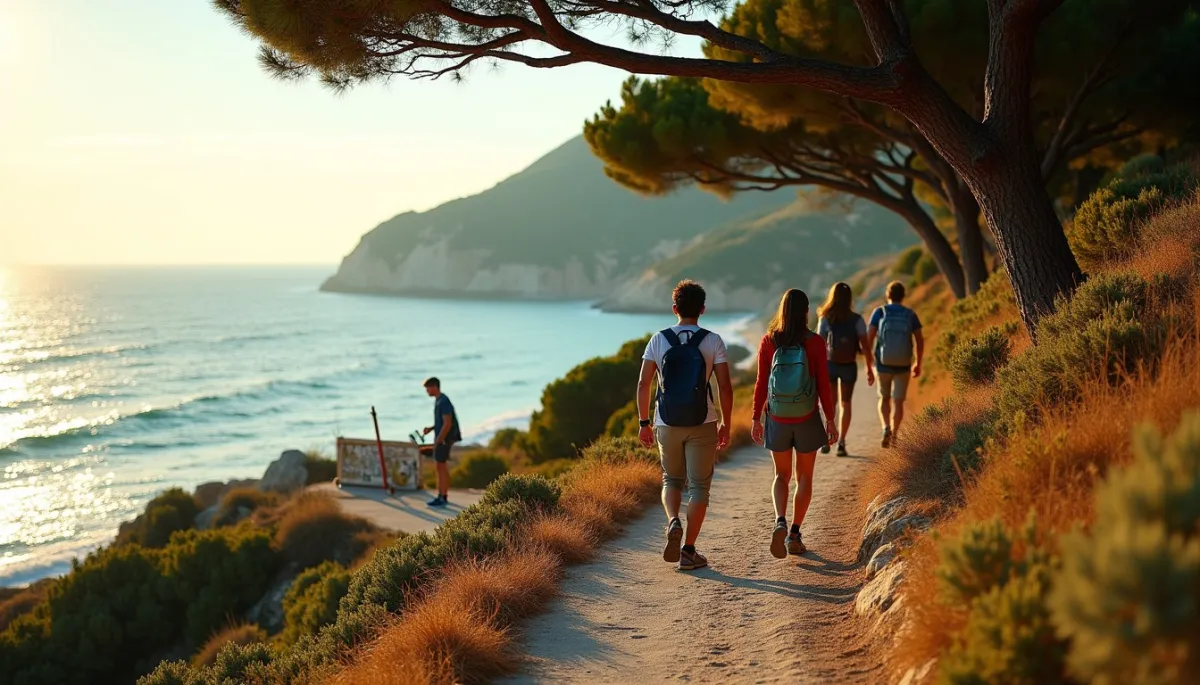
Practical tips: arrive in May or September for the best weather and fewer crowds. Take the coastal train from Nice to Ventimiglia for dramatic views, visit Cours Saleya market in Nice early morning, and seek small harbors like Villefranche-sur-Mer or the botanical gardens of Cap-Ferrat for quieter moments. For a local secret, walk the path above Mont Boron at sunset for a panorama few tourists take the time to see.
These are the reasons and consequences of a hundred-year fascination: a unique climate, a concentration of talent and money, and a calendar of spectacles that keep the world looking toward the Mediterranean. The Riviera is both a preserved memory and a living experiment in balancing glamour with stewardship.
Thanks for reading, and don't forget, Enjoy Life Moments!