Nice vs Cannes: the cultural capitals of the French Riviera go head to head
🚀 Key Takeaways
- Key concept : Two complementary cultural centres with different strengths.
- Practical tip : Visit Cannes in May for the festival atmosphere, Nice in February for Carnival, and any time for museums and promenades.
- Did you know : Nice gathers major modern art collections (MAMAC, Matisse, Chagall) while Cannes hosts international film and media markets.
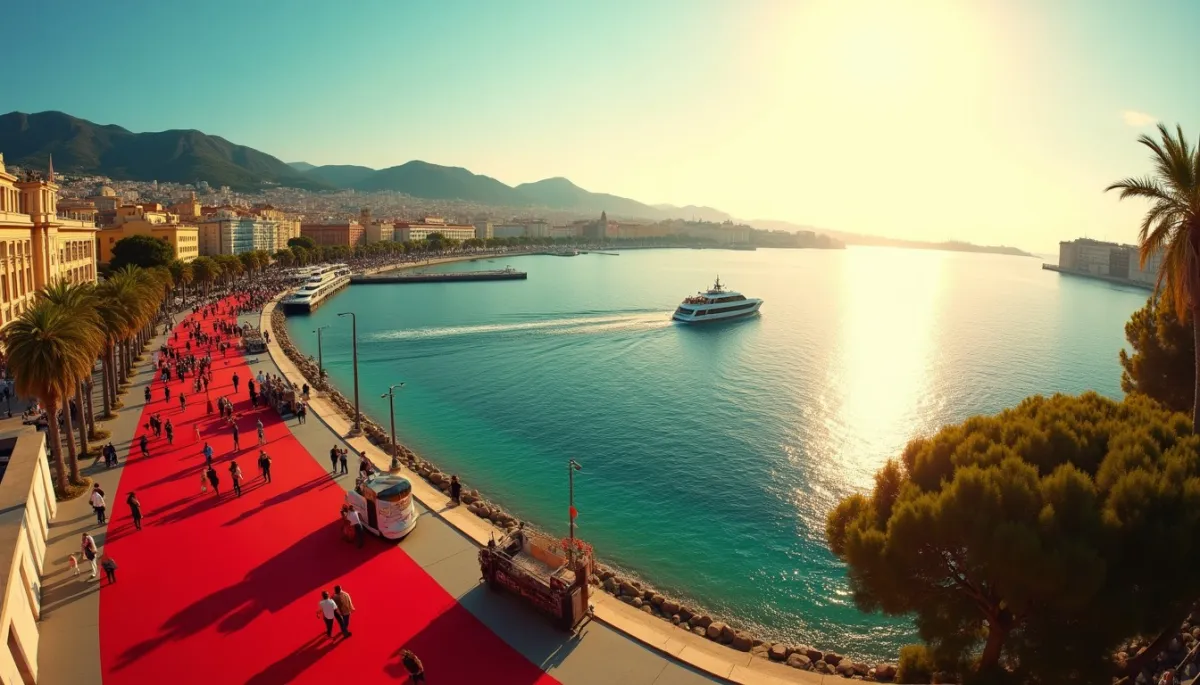
Light stirs over the Mediterranean. Imagine a red carpet unfurling under blue skies while, twenty kilometres away, a brass band parades through narrow streets scented with socca.
Rivieras en scène
The most visible face of the rivalry is spectacle. Cannes is the world stage for cinema, known for the Cannes Film Festival founded in 1946 and the Palais des Festivals, where premieres bring celebrities and media attention each May. The international market (MIPTV/MIPCOM) keeps the city plugged into global creative industries.
Nice offers spectacles of another kind: the Nice Carnival, reborn in modern form in the 19th century, draws winter crowds with its floats and flower battles. Jazz à Juan, created in Juan-les-Pins in 1960, made the coast a hub for jazz legends like Miles Davis and Ella Fitzgerald. These events are engines that energize local life and tourism off-season.
Between red carpets and confetti, both cities invest in venues. Cannes has Palais events and private palaces on La Croisette, Nice has the MAMAC (modern art museum opened to highlight contemporary creation) and scenic venues on the Promenade des Anglais, where street culture meets museum culture.
Collections et patrimoines
For museum lovers, Nice is often unbeatable. The Musée Matisse, seated in Cimiez, preserves one of the richest Matisse collections in the world. The Musée Marc Chagall concentrates on the artist's biblical cycles, while MAMAC highlights European and American contemporary art. Together, they explain why Nice attracts art historians and students.
Cannes is less a museum city and more a cultural market, but it boasts elegant heritage: the Suquet district, the old port, and villas like La Malmaison, which hosts temporary exhibitions during the season. Nearby, Villa Ephrussi on Saint-Jean-Cap-Ferrat and Fondation Maeght in Saint-Paul-de-Vence (a short drive away) enrich the regional circuit.
Numbers clarify the contrast: Nice counts about 340,000 inhabitants and spreads culture through municipal programs year-round. Cannes, with around 74,000 inhabitants, concentrates intense pulses of international attention, particularly in May, which amplifies economic impact and global visibility.
Ambiances et contrepoints
Why does this duality matter today? Global tourism seeks authentic experiences and signature events. Cannes sells glamour and professional networks for film and media. Nice sells urban life by the sea, museums and festivals spread across the calendar.
Local policies deepen the difference. Cannes targets large-scale events and international markets, encouraging luxury hospitality and congress infrastructures. Nice develops neighborhood-level cultural actions—street festivals, contemporary galleries, cultural mediation—that make art accessible to residents and long-stay visitors.
The result is a complementary offer. A traveler can attend a premiere in Cannes in the morning, visit Matisse in Nice in the afternoon and enjoy a jazz concert in Juan-les-Pins at night. The Riviera's cultural ecosystem benefits from both specialisation and proximity.
Tensions et avenirs
Contradictions exist. Cannes' focus on big events can create seasonality and real estate pressure. During the festival weeks, accommodation prices skyrocket and local rhythms are overwhelmed. Residents sometimes complain about congestion and the city being 'closed' to normal life.
Nice faces different challenges: balancing mass tourism on the Promenade des Anglais with preservation of heritage and affordable cultural access. Gentrification of historic districts and rising rents affect artists and small galleries, pushing creative scenes to adapt.
Looking forward, both cities experiment. Cannes invests in year-round cultural programming to smooth peaks. Nice expands cultural mediation and promotes neighbourhood festivals. Collaboration is also growing: joint passes, shuttle services and shared routes encourage visitors to experience both cities in a single trip.
Practical advice: plan for peak calendars (May for Cannes Film Festival, February for Nice Carnival), buy museum tickets in advance for summer, and use regional trains (TER) or short drives to link addresses. For a more local flavour, seek guided tours in Vieux-Nice or film-location walks in Le Suquet.
Whether you prefer the glare of spotlights or the layered charm of museum-lined streets, the French Riviera offers both. The duel is not about deciding a winner, but about enjoying two complementary cultural capitals separated by sea breeze and twenty minutes on the road.
Thanks for reading, and don't forget, Enjoy Life Moments!