Hiking the Esterel: dazzling contrast of red rocks and azure sea
🚀 Key Takeaways
- Core concept : Volcanic red rocks (rhyolite and porphyry) meet the azure Mediterranean.
- Practical tip : Start at Agay or Le Dramont, bring 2L water, sun protection and check fire risk.
- Did you know : Mont Vinaigre, the massif's highest point, rises to 618 m and offers 360° views.
Sun on red stone. You feel it on your skin and in the view.
Imagine setting out from the little port of Agay at dawn. The trail climbs through maquis scented with thyme and cistus, the path lined with shattered slabs of rust-colored rock. Below, the bay opens in a ribbon of blue; to starboard, the silhouette of Île d'Or rises like a miniature fortress against the horizon. Fishermen tune their boats as joggers pass. The air is sharp and salty, and the contrast between the glowing cliffs and the calm sea is immediate.
Corniche en lumière
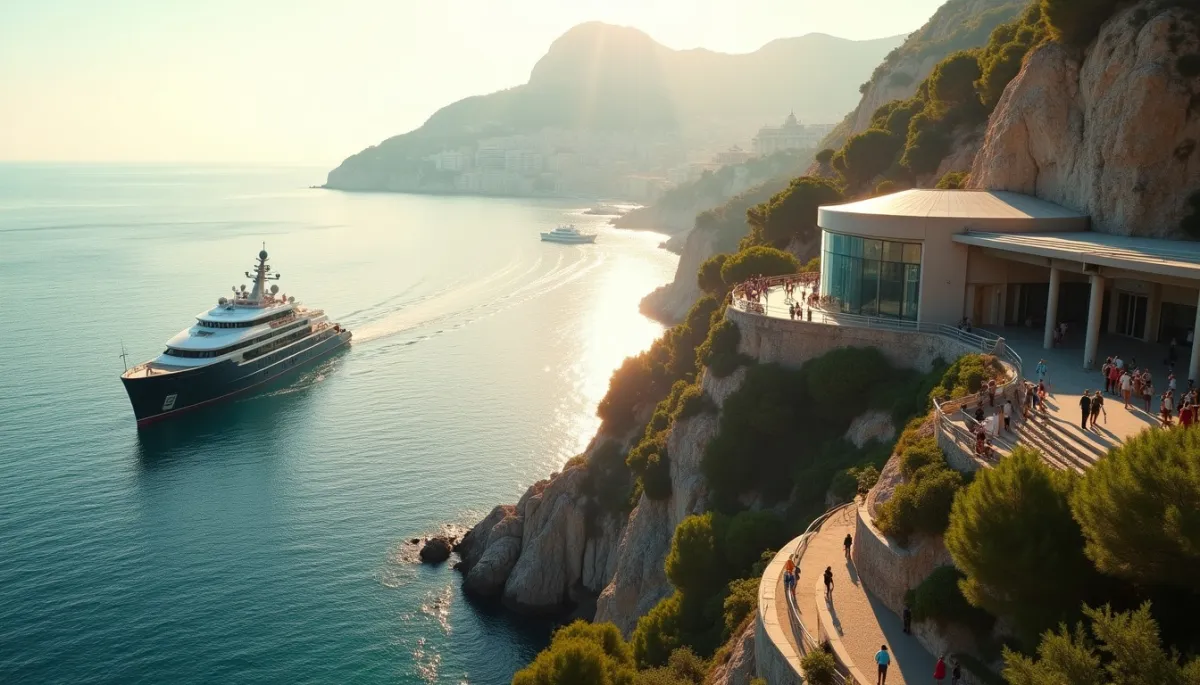
The Esterel experience is above all visual. The massif is composed of volcanic rocks, rich in iron oxides (rhyolite and porphyry), which give that intense red-orange hue when the sun hits them. From the Corniche d'Or to the headlands at Cap Roux, photographers, painters and hikers come for this chromatic clash.
On clear days you can read the coastline like a layered map: the red promontories, the white beaches of Agay and Le Dramont, then the blue gradations of the Mediterranean. Mont Vinaigre, at 618 m, becomes a landmark that anchors these perspectives. Tourists and locals alike report that the light around sunrise and late afternoon deepens the red into almost molten tones.
Local guides note that thousands of day-hikers visit the Esterel every year, especially between April and October. The combination of short coastal circuits and longer inland ascents makes the massif accessible for varied levels, from families to experienced trekkers.
Pourquoi venir
Why does the Esterel attract so many? Part of the appeal is proximity. From Nice, Cannes or Saint-Raphaël it’s a short drive to trailheads. The Corniche d'Or is scenically irresistible, and iconic spots like Île d'Or (the small private island off Agay) and the bays of Agay and Le Dramont are easy to access.
Beyond convenience, there is a mix of nature and culture. The massif has inspired artists and writers for more than a century, and local fishermen's coves and lighthouses add human scale to the wild geology. Kayak and snorkel outings at the base of the cliffs are common; some operators run guided sea-and-land days that let you experience the contrast from both angles.
Practical reasons also push visitors here: well-marked coastal trails, moderate climbs, and viewpoints within a couple of hours. For those seeking longer routes, circular hikes combining the littoral path and the interior trails to Mont Vinaigre can be planned as day-long excursions.
Échos et précautions
The Esterel is not without fragility. In recent years, notably during the dry summer of 2021, large wildfires burned parts of the massif, altering landscapes and reminding visitors of climate-related risks. Local authorities now emphasize seasonal restrictions, and signs often warn against smoking or lighting fires.
Trails can be exposed. Even on short circuits the combination of sun, rock and steep drops requires simple precautions: at least 1.5–2 liters of water per person in summer, sturdy shoes, hat and sunscreen. Mobile signal is intermittent on some ridges, so carry a paper map or offline GPS track.
Respect for the site matters. Stick to marked paths to avoid fragile plant communities, and take your rubbish back. Many small calanques and inlets are private or protected; anchoring rules and access restrictions exist to preserve marine life.
Conseils pratiques
Start early in summer to avoid heat, or prefer shoulder seasons (April–June, September–October) for milder temperatures and fuller trails. If you plan a circular route, check ferry or bus timetables for return options, especially from Saint-Raphaël.
Popular starting points: Agay (for Île d'Or and the bay), Le Dramont (for coastal headlands), and the parking areas along the Corniche d'Or. Consider guided hikes if you want historical anecdotes and local flora identification.
Finally, reward yourself: after the hike, a plate of socca or a glass of rosé on a terrace in Agay, with the red cliffs behind you and the sea in front, is the best way to close the day.
Thanks for reading, and don't forget, Enjoy Life Moments!