The scent of yellow gold: Menton lemon culture beyond folklore
🚀 Key Takeaways
- Key concept : Menton lemons combine a rare microclimate and traditional cultivation to produce a fragrant, thin-skinned fruit.
- Practical tip : Visit in February for the Fête du Citron, and buy candied peel at the market behind the seafront halls.
- Did you know : The lemon craze in Menton accelerated with 19th century winter visitors who prized the mild climate for citrus orchards.
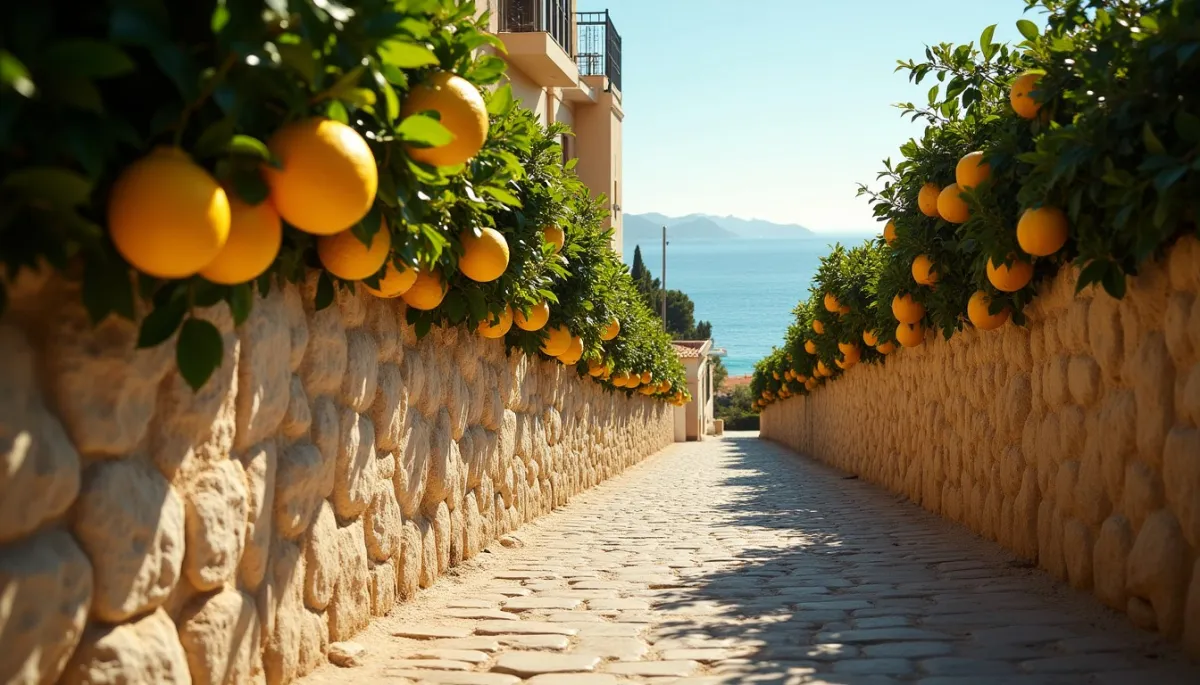
Sunlight, salt and scent. I remember stepping into a narrow alley above the old port, where terraces of espaliered lemon trees spilled their heavy fruit over sun-warmed stone walls.
golden legacy
Menton's relationship with the lemon is historical and visible. In the 19th century, British and northern European winter residents discovered the area's exceptional microclimate, sheltered by the Alps and warmed by the sea. They planted citrus, and small-scale cultivation spread from private villas to family orchards on terraces and steep slopes.
The best-known public sign of this legacy is the Fête du Citron, created in 1934. Every February, gardens like the Jardins Biovès host monumental sculptures and floats made of citrons and oranges, attracting thousands of visitors. The festival turned a local harvest into a cultural emblem that's both touristic and botanical.
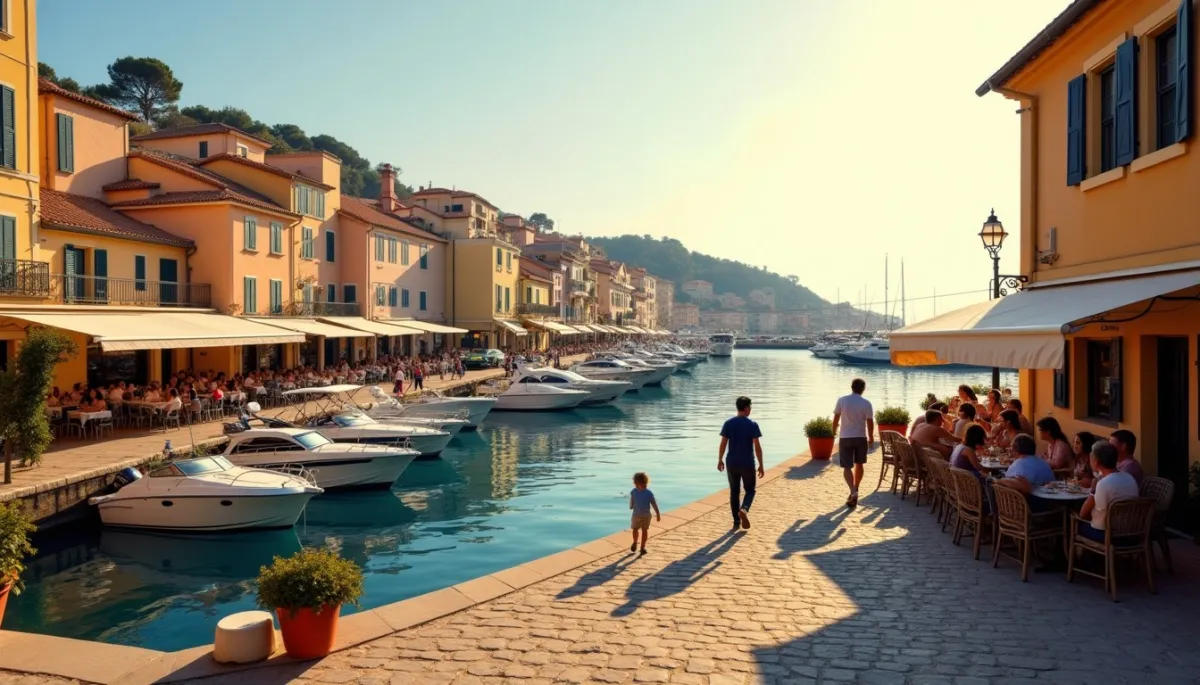
Beyond spectacle, Menton lemons are prized for a distinct profile: thin, fragrant peel and balanced acidity, qualities that chefs, candymakers and distillers value. You will find candied peel and artisanal liqueurs sold at the covered market and in small shops along the Promenade du Soleil.
soil and sun
The reason the fruit tastes different is simple geography. Menton sits in a pocket of mild winters and long sun exposure. The mountains block cold northern winds, while terraces and south-facing walls create micro-environments where citrus can flower early and ripen slowly.
Cultivation techniques are part of the recipe. Growers espalier trees against stone walls to maximize heat retention and to manage space on narrow terraces. Many operations remain family-run, combining traditional pruning with small-scale technical improvements, such as more efficient irrigation and organic soil care.
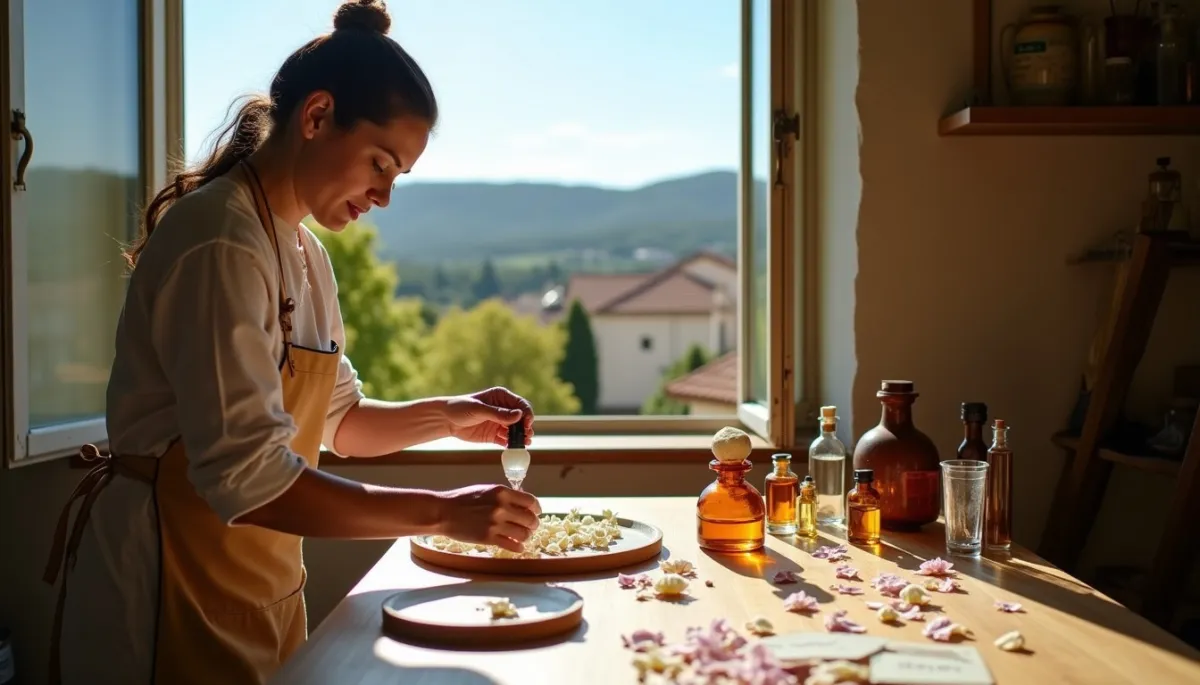
Local markets, particularly the covered hall of Menton, remain central to the economy of the lemon. Producers sell fruit directly, but they also diversify into value-added products: candied peel, marmalades, artisan liqueurs and cosmetics scented with essential oils. This diversification is how a small crop stays economically viable in an expensive coastal region.
pressure and prospects
Today, the lemon faces modern pressures. Urbanization and rising land prices on the French Riviera make agricultural plots rare and fragmented. Some terraces have been turned into housing or tourism facilities over the last decades, reducing contiguous orchard areas.
Climate change introduces new uncertainties. Warmer winters can alter flowering patterns, while the threat of plant diseases, such as xylem-restricted pathogens that attack Mediterranean species, forces growers to be vigilant. Local associations and agricultural services increasingly promote monitoring and protective measures.
Still, the future is not only grim. A renewed interest in local, traceable food and slow tourism benefits Menton's lemon culture. Agritourism stays growing, with guided walks through citrus gardens, tasting sessions and small producers offering workshops. The Fête du Citron continues to serve as a powerful marketing tool, bringing visibility to producers beyond the region.
For visitors: time your stay in February for the festival, but also consider spring for calmer orchard visits. Buy candied peel and a small bottle of local lemon liqueur at the market, and ask producers about their cultivation methods. These conversations reveal the care behind each fruit.
On a warm winter morning, as sun hits a yellow limb and oil-scented vapors rise, it becomes clear why Menton calls its citrus 'gold'. It is an ingredient, a landscape, and a living tradition that reminds us how place shapes flavor.
Thanks for reading, and don't forget, Enjoy Life Moments!