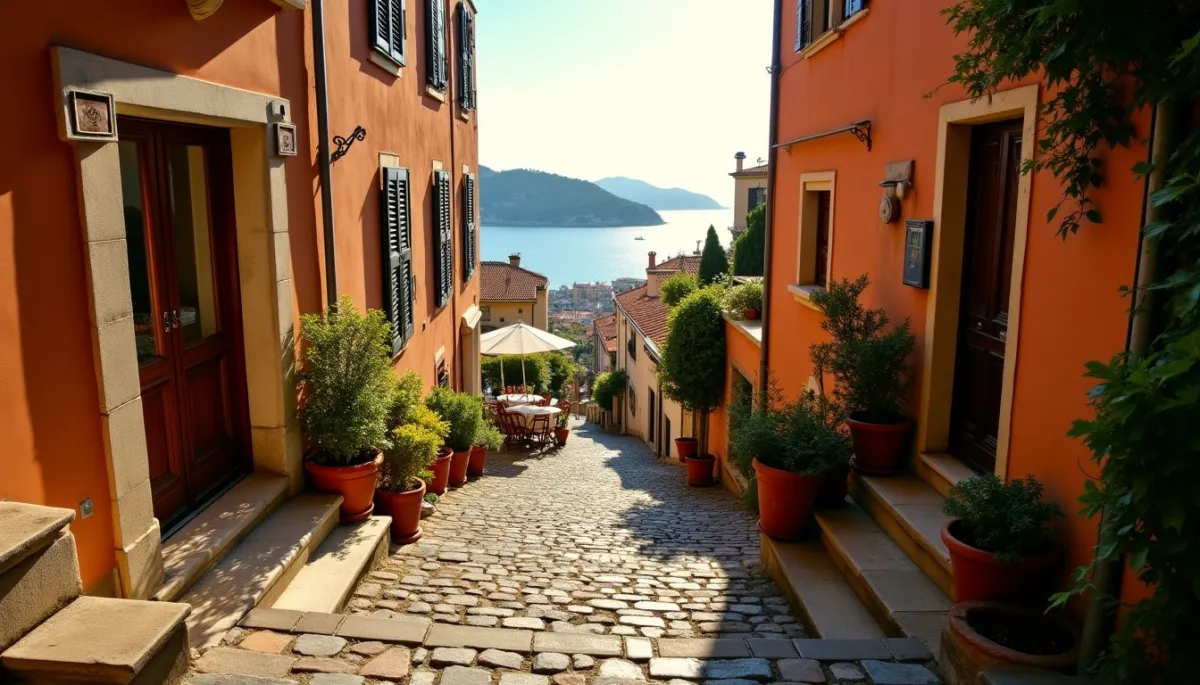
The sacred woods of Jorat: recharge in the green lungs above Lausanne
🚀 Key Takeaways
- Core idea : Jorat's forests are a short escape from Lausanne for wellbeing and nature.
- Practical tip : Favor spring or autumn, wear sturdy shoes and follow marked trails.
- Did you know : Switzerland is about 31% forested; Jorat is one of Vaud's emblematic wooded plateaus.
Silence, finally.
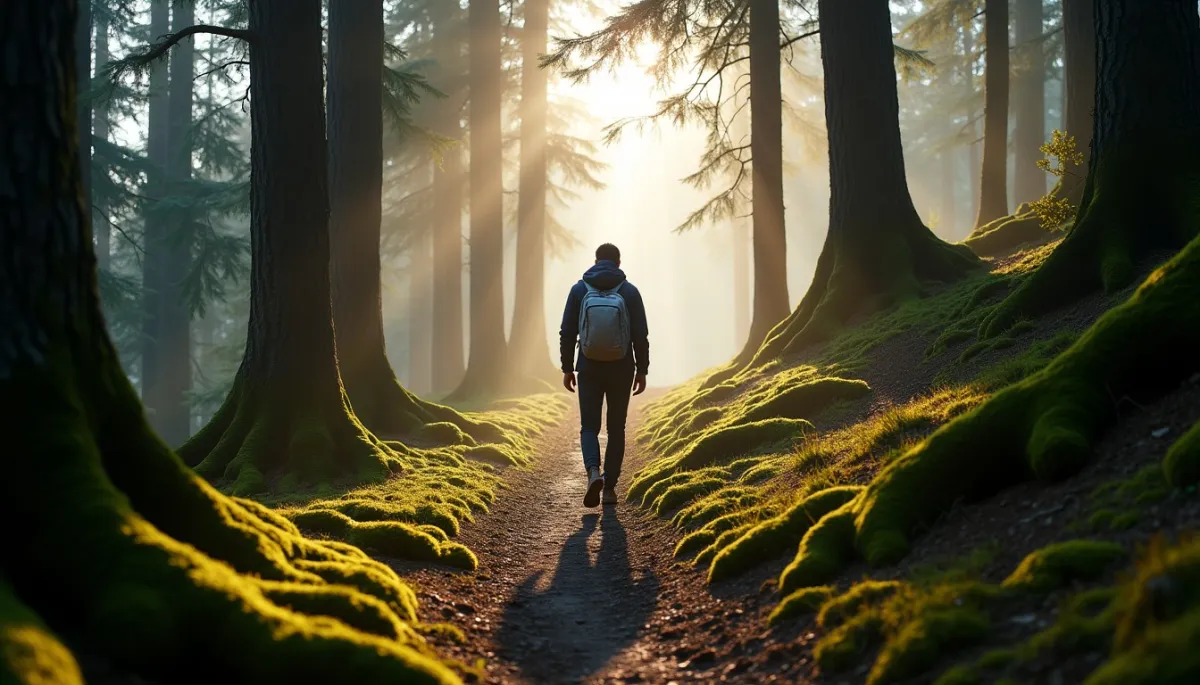
Imagine stepping off a bus, leaving the hum of Lausanne, and entering a corridor of tall beeches. Light filters through a high canopy, the air smells of damp leaves and resin, and a narrow path winds past mossy trunks and centuries-old coppices. A shepherd's bell rings in the distance, and a family of beech leaves trembles in a soft breeze. You are in the Jorat, where the forest feels intimate and, to many, a little sacred.
Respire et marche
The Jorat is not a single forest, but a mosaic of woods, pastures and hamlets spread across the plateau north-east of Lausanne. Its closeness to the city makes it one of the most accessible green lungs for urban dwellers seeking fresh air and calm.
For decades locals have used these woods for foraging, low-impact grazing and seasonal walks. Today marked trails connect villages such as Servion, Montpreveyres and Mézières, offering loops from one to several hours.
Seasonal highlights are clear: spring brings wildflowers and birdsong, summer offers shading canopy, autumn paints the beeches in gold, and winter presents frost-sculpted branches for a quiet, crystalline walk.
Racines et mémoire
Historically, European sacred groves were places of ritual and community. In the Jorat the term "forêts sacrées" is poetic, reflecting how villagers have long treated certain groves with reverence, preserving old trees and hedgerows that host rich biodiversity.
Beech and oak dominate, joined by conifers in managed stands. Old coppices reveal traditional forestry practices that sustained local communities into the 19th and 20th centuries, shaping the landscape visitors enjoy today.
Conservation efforts in canton Vaud increasingly recognize the ecological and cultural value of such woodlands. Local associations, volunteer walks and educational trails help keep memory alive while encouraging sustainable use.
Chemins et équilibre
Demand for nature close to cities has grown, especially since the 2010s. More walkers and cyclists mean pressure on paths and wildlife. The challenge is to welcome visitors without degrading the qualities that make Jorat special.
Practical rules matter: stay on marked trails, respect private property, avoid disturbing grazing animals, and collect only what is allowed. These simple gestures protect both the forest and the traditions attached to it.
For a restorative visit: pick quieter weekdays, go early, bring water and layered clothing, and consider joining a guided walk offered by local nature groups to learn about flora, fungi and the old forestry techniques that shaped the Jorat.
Thanks for reading, and don't forget, Enjoy Life Moments!