Water, source of life: history of fountains and access to pure water on the Swiss Riviera
🚀 Key Takeaways
- Key concept : Public fountains (drinking and decorative) shaped daily life, hygiene and urban identity on the Riviera.
- Practical tip : Always carry a reusable bottle. Tap water in Swiss towns is excellent and many historic fountains are still potable.
- Did you know : The lake shore hosts traces from Roman Lousonna to 19th century waterworks, showing a long continuity of water management.
Fresh water was long a daily necessity and a civic challenge on the shores of Lac Léman. From the Roman settlement of Lousonna at modern Vidy to the municipal water networks of the 1800s, the Riviera's fountains tell social, technical and aesthetic stories. They are markers of survival, public health and local pride.
fontaines qui font vivre
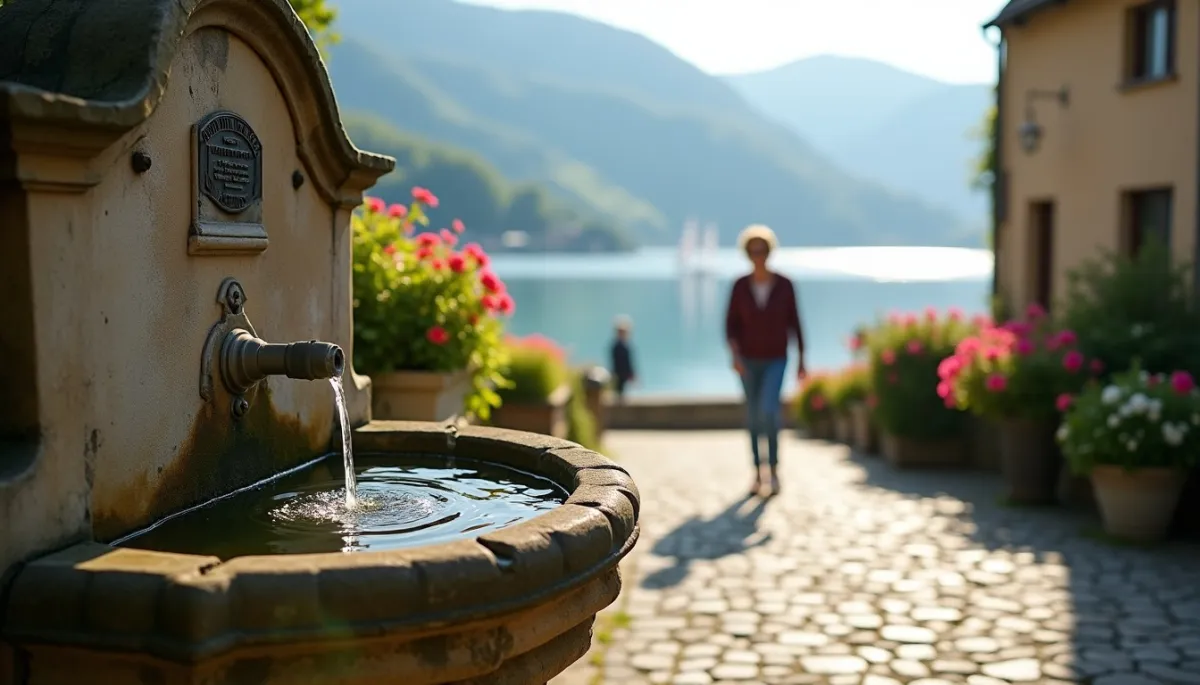
Walk through the old towns and you will meet them: troughs where children still press their faces, carved stone spouts framed by geraniums, cast-iron taps bearing municipal marks. In Geneva the Jet d'Eau is the grand gesture, but the everyday fountains that give drinking water are quieter heroes. In Lausanne, small public taps dot the city though modern distribution comes largely from protected alpine sources.
Each fountain has an anecdote. In Vevey, elder residents recall queuing at communal pumps in the 1950s, when households lacked indoor plumbing. Montreux's lakeside fountains were refurbished in the late 20th century to combine historical stonework with modern filtration fittings, a practical restoration that preserved the village silhouette.
These water points have practical roles and ritual ones. Market-goers rinse vegetables, pilgrims pause to drink, and tourists refill reusable bottles. Fountains structure movement: they anchor markets, mark tram stops and mediate social encounters under plane trees.
pourquoi l'eau a changé la ville
The push to secure safe drinking water came from public health needs and technical advances. Recurrent epidemics in the 18th and 19th centuries made clean water an urgent civic priority across Europe, including Lake Geneva's towns. Municipal leaders invested in reservoirs, pumping stations and piping, transforming medieval habits of well-drawing into modern distribution.
Geography helped and challenged. The Riviera benefits from abundant alpine runoff and springs, but bringing that water to hilltop villages required engineering. In the 19th century, gravity-fed aqueducts and steam-driven pumps were introduced. Later, filtration and chlorination made tap water reliably potable, reducing reliance on sometimes-contaminated street fountains.
Cultural factors also matter. Swiss cantons have long valued local control and meticulous maintenance. Many communes keep decorative fountains in perfect order. The tradition of the public fountain reflects a civic idea: water is both common good and element of identity, offering visible proof of a well-run town.
eaux claires, enjeux nouveaux
Today contradictions appear. Tap water is excellent, yet bottled water sales remain high, fed by marketing and tourist habits. Historic fountains face wear from freeze-thaw cycles and pollution from road salt. Municipal budgets must balance preservation with upgrades to meet modern hygiene and accessibility standards.
Climate change introduces new pressures. Warmer summers can shift demand and affect sources. Snowpack variability changes spring flows from alpine catchments, which forces planners to broaden supply strategies and reinforce storage. Local authorities in Lavaux and the Riviera are already discussing resilience measures, while promoting water-saving in tourism seasons.
For the visitor the advice is simple and generous: drink local, refill often, and treat fountains as living heritage. When a stone spout bears a municipal mark, ask a passerby. You will often hear a story about repairs after the big freeze or a name of a town mason who restored the basin. Those small conversations are part of how water binds a community.
Thanks for reading, and don't forget, Enjoy Life Moments!