The microclimate of the Swiss Riviera: why do palm trees grow at the foot of the Alps?
The Swiss Riviera, between Montreux and Vevey, benefits from a combination of geographical and atmospheric factors which soften winters and favor vegetation atypical for the latitude. Result: cold-resistant palm trees and lush gardens that attract tourists and photographers.
In this article, we explain why and how this microclimate is formed, which species of palm trees have adapted to it, and how to best enjoy these amazing landscapes during your visit.
What is a microclimate?
A microclimate is a set of local climatic conditions that differ significantly from the regional climate. These variations can be caused by topography, the presence of water, urbanization or local winds. On the Swiss Riviera, these elements converge to create milder temperatures and reduced thermal amplitudes.
Contrary to the strict alpine climate just a few kilometers away, the coastal area of Lake Geneva benefits from a strong lake influence and favorable exposure to the sun. These parameters modify the duration of sunshine and nighttime temperatures, essential conditions for the survival of so-called “sub-Mediterranean” plants.
The climatic factors of the Riviera
The first factor is Lake Geneva itself: its mass of water stores heat in summer and releases it gradually, limiting nighttime frosts. Then, the protection offered by the Alpine folds and valleys reduces the impact of cold disturbances coming from the north. Finally, local winds like the Foehn cause rapid increases in temperature and dry the air, creating occasional mild episodes.
The combination of the moderate altitude of the shores (often between 370 and 500 m), the slopes well exposed to the south and favorable air currents produces an area where winter temperatures rarely fall below fatal thresholds for several species of palm trees. For more geographic context, see the Swiss Riviera page on Wikipedia here.
Palm trees, species and local history
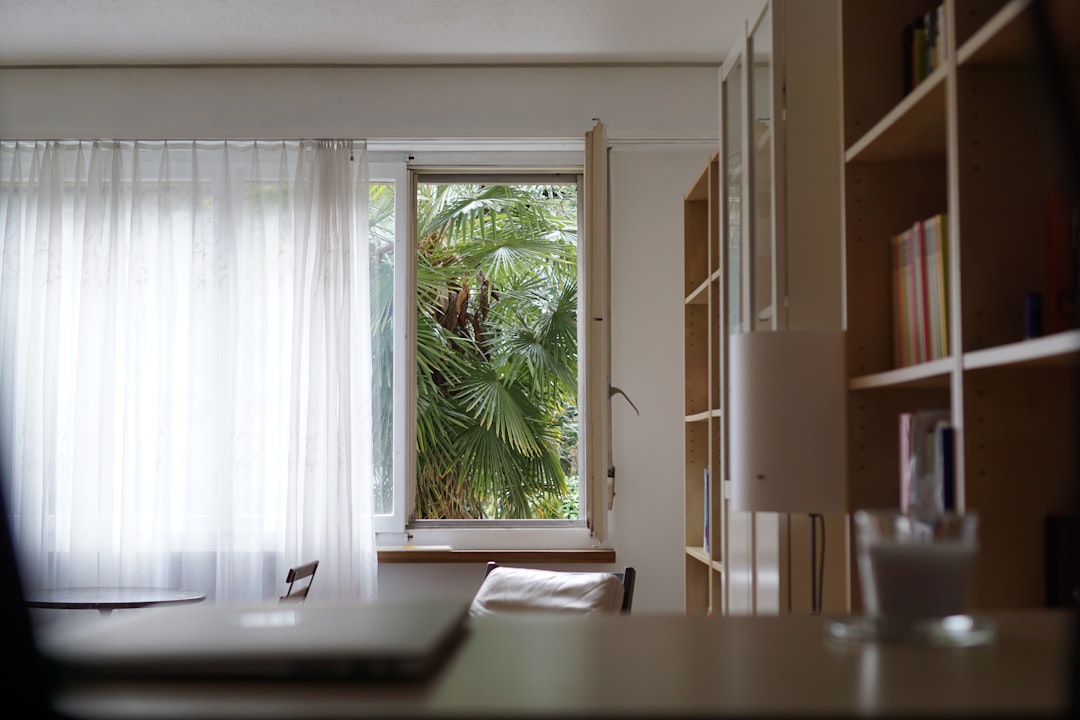
The most common species are resistant palms such as Trachycarpus fortunei (Washingtonian from China) and a few other plants planted and protected since the Belle Époque era, when the Riviera became an upscale destination. These species can tolerate occasional frosts and return quickly in spring.
Historic plantings, lakeside walks and private gardens have encouraged the naturalization of these plants. The urban island effect in cities like Montreux and Vevey, associated with landscaping works, further accentuates this Mediterranean character.
Where to see palm trees and visiting tips
The best walks for observing palm trees are the Montreux promenade, the lakeside in Vevey and the terraces of Lavaux which descend towards Lake Geneva. These sites offer striking contrasts: palm trees in the foreground and snow-capped Alps in the background.
For photographers, the golden hours (sunrise and sunset) give warm colors that enhance the foliage. Additionally, visiting off-season (spring and fall) allows you to avoid the crowds and fully appreciate the microclimate in action.
Issues and future: the role of climate change
Climate change sometimes strengthens these microclimates by lengthening warm periods and reducing the frequency of severe frosts. However, it also increases climatic uncertainty, with extreme episodes which can weaken species previously considered resistant.
Urban managers and landscapers are adapting their practices: choice of resilient species, temporary winter protection and soil management to limit water stress in summer. For a broader perspective on Switzerland and its landscapes, see this National Geographic article here.
Thanks for reading, and don't forget, Enjoy Life Moments!