The art of the Provençal aperitif: beyond pastis, orange and almond wines
🚀 Key Takeaways
- Core concept : Vin d'orange and vin d'amande are traditional macerated or infused wines from southern France, ideal for modern apéritifs.
- Practical tip : Serve chilled, pair with salty small plates like tapenade, socca or fresh chèvre.
- Did you know : These wines were household recipes long before pastis became the region's icon, and small producers around Aix and Luberon are reviving them today.
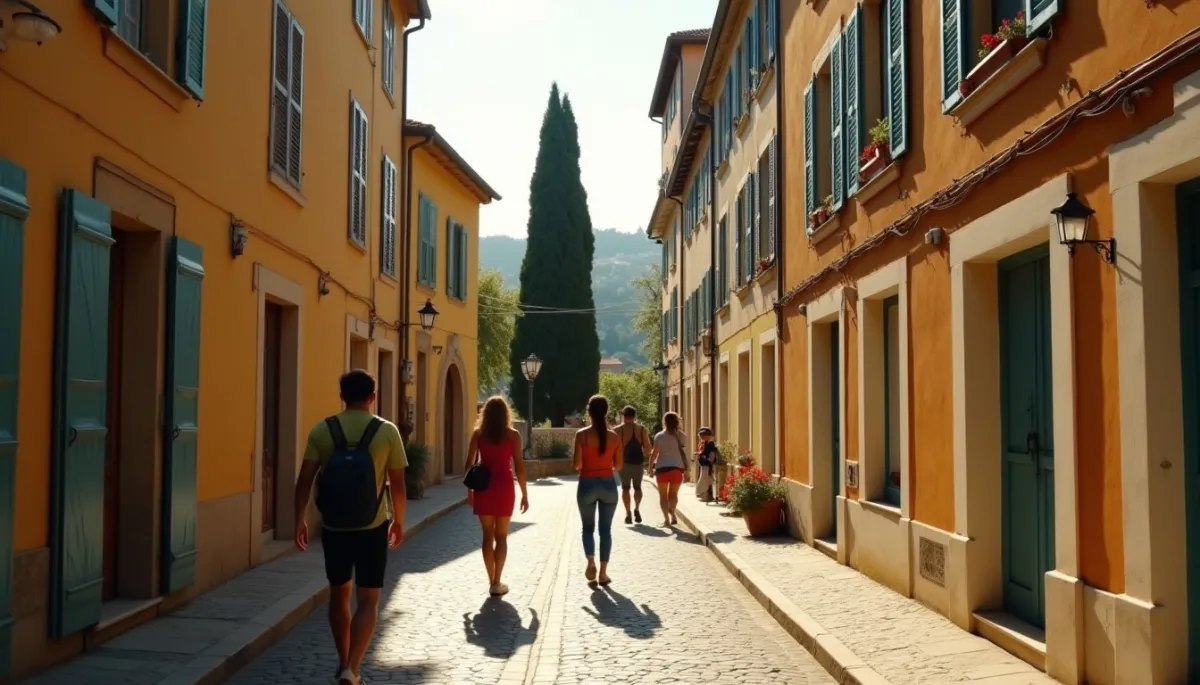
Close your eyes and breathe the warm air of the Côte d'Azur.
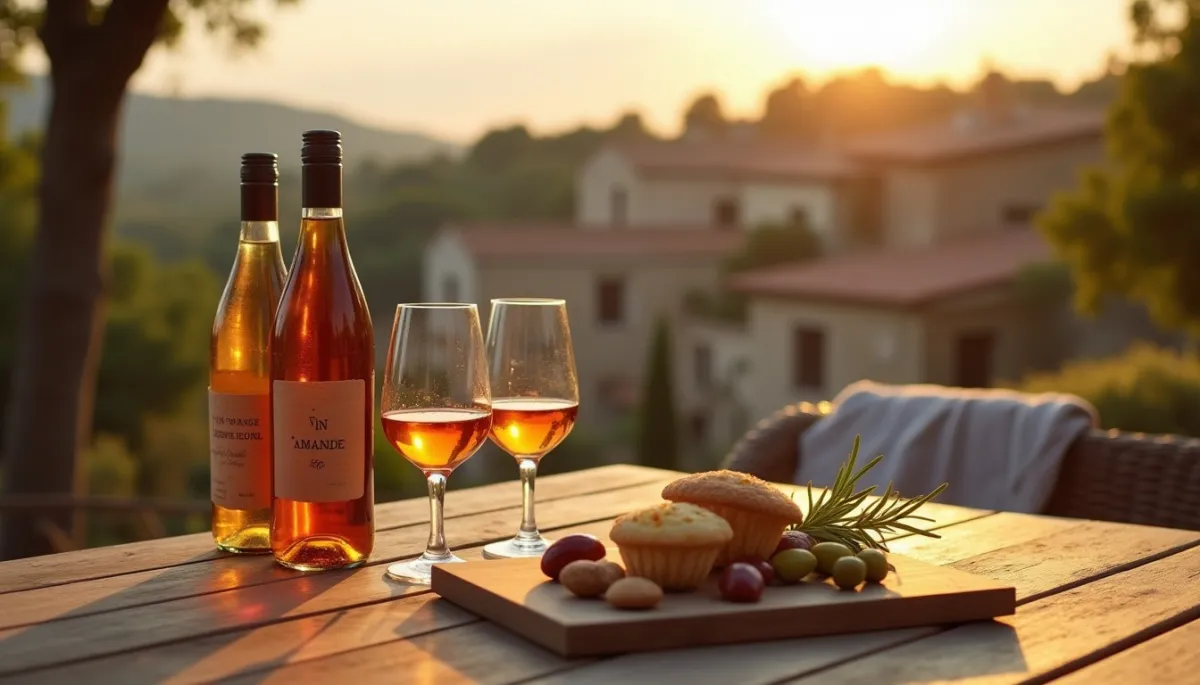
On a terrace in Aix-en-Provence, a low wooden table holds amber bottles, a bowl of olives, slices of fougasse and the chatter of friends. The light is honeyed, and someone suggests trying a bottle labeled "vin d'orange". It tastes like summer in a glass, bright and slightly bitter, and it changes the dynamic of the apéritif: conversation slows, curiosity grows.
verre solaire
Vin d'orange is not a novelty. It belongs to an old Provençal tradition of macerating fruit, peels and spices in wine to add aroma and preserve harvests. The technique appears in regional household manuscripts from the 19th century, when families extended the flavours of citrus from their gardens into drinks and desserts.
Typically made from a white base wine, orange peels are left to infuse, sometimes with sugar, a splash of local eau-de-vie, or spices such as cinnamon or cloves. The result can be still, lightly fortified, or gently sweetened, depending on the maker's choice. Vin d'amande follows the same spirit, using bitter or sweet almonds, and conjures the marzipan and nougat notes of Provençal pâtisseries.
On the French Riviera today, small domaines and artisanal distillers revive these recipes. From stalls at the Cours Saleya market in Nice to farm shops in the Luberon, bottles are rediscovered by chefs and sommeliers who see them as fresh, local alternatives to an apéritif scene long dominated by pastis.
racines retrouvées
The cultural rise of vin d'orange and vin d'amande is linked to a couple of clear trends. First, a desire for authenticity and terroir. Travelers and locals alike seek local stories and flavours, and these wines carry family names, village addresses and seasonal narratives.
Second, changing drinking habits. Since the mid-2010s, apéritif culture in France has broadened to welcome lower-alcohol and flavour-led options. Bartenders in Nice, Antibes and Marseille began to substitute or accompany pastis with light, aromatic wines that open the palate without overwhelming it.
There is also a culinary logic. The Mediterranean cuisine of the Riviera, with its olives, anchovies, herbs and citrus, pairs beautifully with the slightly bitter, aromatic profile of orange wine and the soft, nutty profile of almond wine. Chefs at beach clubs in Cassis and bistrot terraces in Saint-Paul-de-Vence include these bottles on menus to highlight local produce.
accords et gestes
Practically, how to use these wines at your apéritif. First, temperature: chill both vin d'orange and vin d'amande to around 8-10°C. They reveal citrus and almond aromas when cool, and a touch too warm can make them clumsy.
Serve them in white wine glasses or small tumbler glasses for a relaxed feel. Pair with salty bites: tapenade, pissaladière, anchoïade, grilled sardines, pistachio or almond biscuits. For a vegetarian plate, truffled goat cheese and a fennel salad work beautifully.
If you want to try making a simple homemade vin d'orange, macerate the zest of 4 oranges in one liter of a neutral white wine, add 150 g of sugar and a small shot (30-50 ml) of brandy, let sit three to six weeks, then filter. This basic method echoes rural recipes, but variations with spices or different sugars are part of the fun.
entre modernité et tradition
The rise of these wines also raises questions. How to scale artisanal production without losing nuance? Some producers choose to standardize, which risks flattening unique village expressions. Others keep tiny batches and seasonal releases, ensuring distinct personalities from year to year.
There is also the marketing challenge. Pastis remains the region's global emblem, popularised in the 20th century notably after the absinthe ban and the creation of large brands. Vin d'orange and vin d'amande must balance respect for tradition with clear, contemporary storytelling to reach wider audiences.
Finally, for the curious traveler, the best way to understand these wines is to taste them where they were born. Visit markets like Forville in Cannes or the producers' stands during summer fêtes in Luberon villages, ask for family stories, and take home a bottle. The apéritif on the Riviera is not just a drink, it is a moment of shared memory.
Thanks for reading, and don't forget, Enjoy Life Moments!