Into Pelagos sanctuary: meeting the Mediterranean dolphins
🚀 Key Takeaways
- Core concept : Pelagos is a protected area for Mediterranean marine mammals.
- Practical tip : Book responsible boat trips from Nice or Monaco in spring and autumn, and choose licensed operators.
- Did you know : The sanctuary covers roughly 87,500 km² and was established by France, Italy and Monaco in 1999.
A sudden exhalation, a silver arch, a chorus of clicks under the hull. You hold your breath and the pod answers.
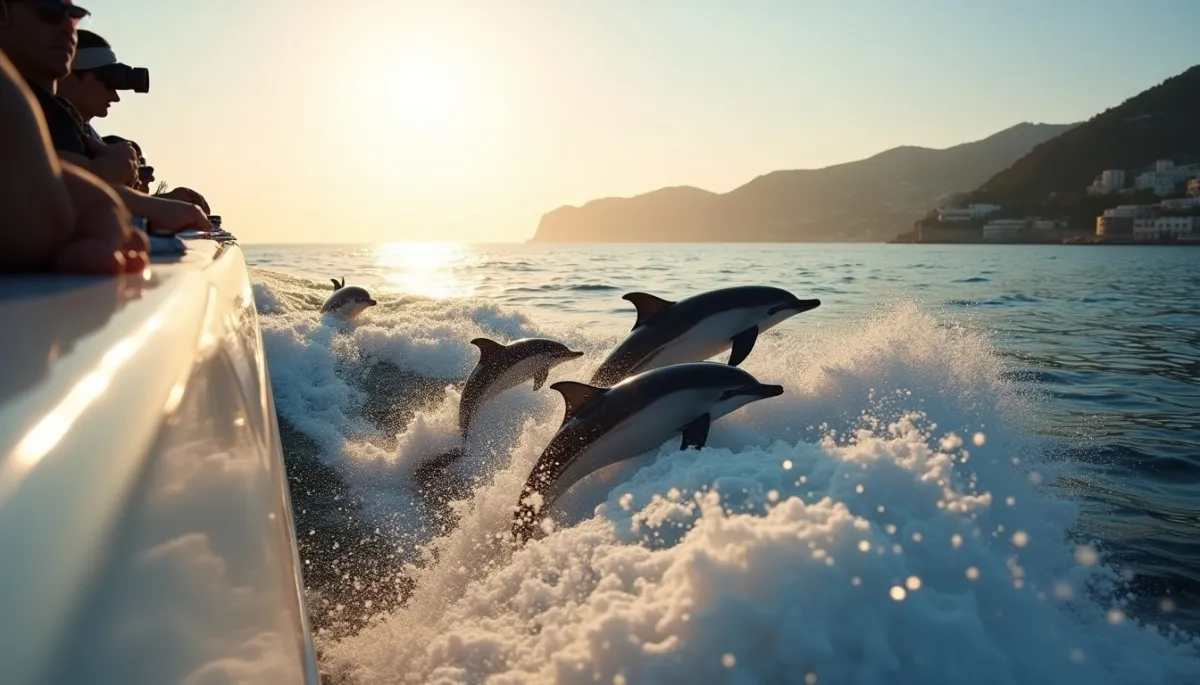
On a clear morning off Cap d'Antibes, the sea is a sheet of glass. A group of striped dolphins (Stenella coeruleoalba) races past the bow, tails flashing. On board, a marine biologist taps a tablet to record sightings while a retired skipper points out old routes and stories of encounters with larger whales. This is Pelagos territory, where the wild presence of cetaceans still punctuates daily life along the French and Italian Riviera.
mer vive
Pelagos Sanctuary for Mediterranean Marine Mammals was signed in 1999 by France, Italy and Monaco. It covers roughly 87,500 km² of northwestern Mediterranean water, a corridor that includes the Ligurian Sea and reaches the coasts of the French Riviera, Corsica and parts of the Italian coastline.
The area supports a rich community of cetaceans: striped dolphins, common dolphins, bottlenose dolphins, Risso's dolphins, and occasional large visitors such as fin whales and sperm whales. Researchers estimate that tens of thousands of dolphins transit or reside seasonally in these waters, though exact numbers vary by species and year.
For residents and visitors, Pelagos is more than a legal map. It is the daily spectacle seen from ferries and headlands: pods surfing the bow between Nice and Monaco, mothers leading calves near the Lérins islands, groups gathering where upwellings concentrate fish. These visible presences make the sanctuary a symbol of the Riviera's living sea.
racines partagées
Why protect this area? The answer lies in a century of pressure on the Mediterranean. Industrial fishing, coastal development, rising boat traffic and underwater noise have reduced prey, fragmented habitats and stressed marine mammals. By the late 20th century, scientific surveys and conservationists called for a coordinated response.
Pelagos grew out of that urgency. The sanctuary provides a framework for cooperation: joint monitoring, research and regulations aimed at reducing bycatch, collisions and disturbance. International bodies active in the region include ACCOBAMS (the agreement for cetacean conservation in the region) and scientific institutions such as CIESM and local universities that run long-term monitoring programs.
On-the-ground efforts combine high-tech tools and traditional observation. Photo-identification catalogs help track individuals across years. Passive acoustic monitoring (PAM) records cetacean vocalizations so scientists can map presence even at night or in bad weather. Citizen science is also important: sailors and recreational boaters often upload sightings to shared platforms, building datasets that researchers use to detect trends.
défis en mer
Protection does not erase threats. Bycatch in gillnets, ship strikes, chemical pollution and the crescendo of underwater noise all persist. Noise from shipping and seismic surveys masks the acoustic environment that dolphins and whales rely on for navigation, feeding and communication.
Tourism is a double-edged sword. Boat trips from Nice, Antibes, Cannes or Monaco bring people closer to cetaceans and create conservation awareness, and they fund local economies. But unregulated watching can harass animals: chasing, surrounding pods, or forcing sudden maneuvers. Local authorities and NGOs now promote codes of conduct and certification for operators to reduce disturbance.
Looking ahead, innovation shows promise. Some ports experiment with low-noise shipping practices. Acoustic quieting technologies, rerouting of heavy traffic lanes, seasonal speed limits and stricter net controls have been proposed or trialed. Success requires political will across borders, and sustained funding for monitoring and enforcement.
conseils de terrain
If you want to meet Pelagos inhabitants respectfully, choose licensed operators who follow the region's codes of conduct. Keep a respectful distance, avoid chasing an animal and turn off engines when requested. Binoculars and a good camera with a tele lens will replace the urge to get closer.
Best seasons for sightings are spring and autumn, when productivity and prey movements attract dolphins. Departures from Nice, Monaco, Antibes and the Lérins islands offer frequent encounters. Always ask whether the trip contributes to scientific observation or funds local conservation projects.
Finally, know the stories. Monaco's Oceanographic Museum and Prince Albert II have long supported marine research, and local research teams from CNRS and Mediterranean institutions publish accessible reports. Listening to these voices deepens any encounter at sea.
Thanks for reading, and don't forget, Enjoy Life Moments!