Sun kitchen: the therapeutic use of herbs de Provence
🚀 Key Takeaways
- Concept key : Herbs de Provence blend culinary delight and bioactive compounds with traditional therapeutic uses.
- Practical tip : Use a light infusion or herb oil to extract benefits, avoid high doses for pregnant women and infants.
- Did you know : The commercial blend was popularized in the 1970s, but local mixes date back centuries in Provence markets.
Close your eyes and breathe. The scent of thyme and rosemary carries sunlight, sea salt and memory.
Imagine a late afternoon in the Luberon, a small kitchen window open onto a courtyard. A grandmother tears a sprig of rosemary above a roasting pan, lavender dries on a string, and jars of mixed herbs line a wooden shelf. The air is warm, herbaceous, and comforting. This is not only cooking, it is a tradition where flavor and wellbeing meet.
Parfumes et bienfaits
The classic mix called "herbs de Provence" typically includes thyme, rosemary, oregano, marjoram and savory, sometimes with basil, fennel or lavender. Each plant brings distinct molecules: thymol in thyme, carvacrol in oregano, rosmarinic acid and carnosic acid in rosemary, and linalool in lavender. These compounds are studied for antiseptic, antioxidant or calming properties.
Historically, Greeks and Romans used thyme and rosemary in baths and rituals, associating these plants with purification and memory. In Provence, village markets from Aix to Forcalquier kept oral recipes for blends. The term "herbes de Provence" became widely marketed in the 1970s, but the practice of mixing local aromatic plants is much older.
Modern science supports some traditional uses. Laboratory studies from the 2000s and 2010s have shown that thymol and carvacrol have antimicrobial effects, rosmarinic acid has antioxidant activity, and rosemary extracts can help protect neurons in animal models. Aromatherapy trials suggest lavender and rosemary aromas can reduce stress and enhance alertness in short term settings.
Soleil et science
The trend to return to "cuisine du soleil" with therapeutic intent grew in Provence and beyond after 2010, driven by renewed interest in natural remedies and local gastronomy. Foodies and wellness seekers now ask not only how herbs taste, but what they do for the body and mind.
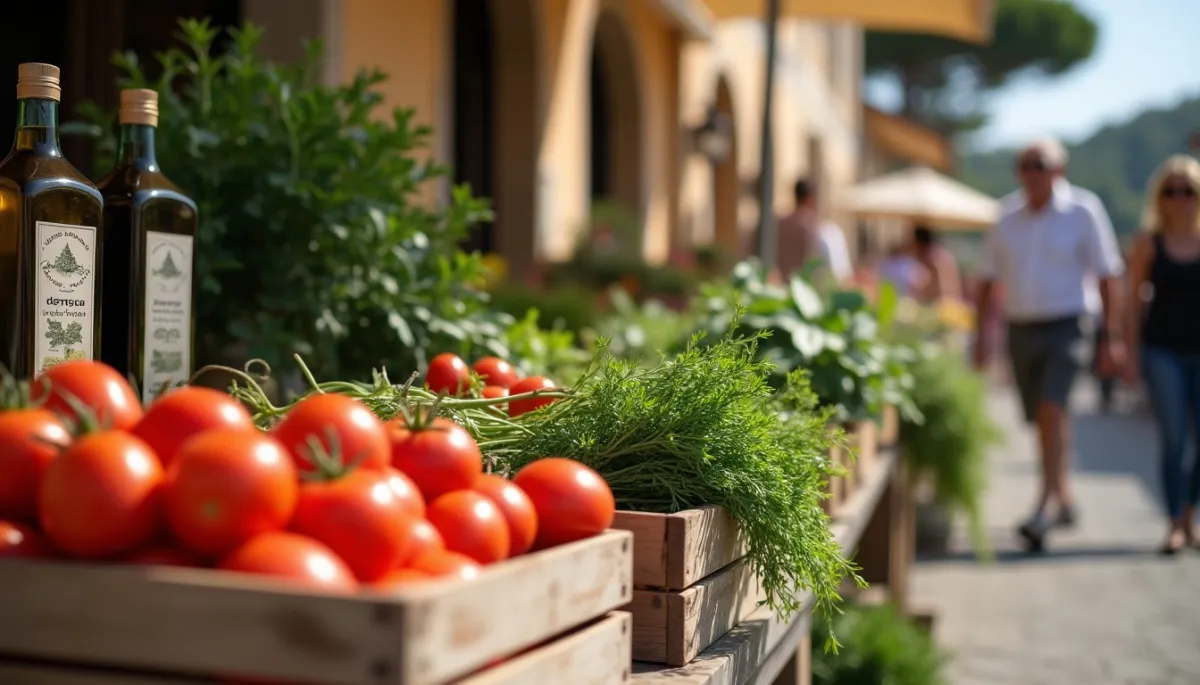
Local producers on the French Riviera underscore terroir. Cooperative gardens near Nice and coastal farms in the Var sell small-batch blends harvested at dawn, claiming higher essential oil yields. A 2018 report by a regional agricultural institute highlighted that drying methods and harvest time (morning vs afternoon) significantly change volatile profiles, thus modifying flavor and potential bioactivity.
Chefs incorporate these herbs for both taste and experience. At a bistro in Cassis, a chef uses a rosemary steam to perfume a fish dish so diners inhale the aroma before the first bite, turning meal into brief aromatherapy. Such practices borrow from sensory science, where scent primes appetite and mood.
À table, avec prudence
Using herbs de Provence therapeutically does not mean consuming them without measure. Culinary amounts are generally safe for adults. For stronger uses, like concentrated oils or supplements, caution is necessary. Some essential oils are contraindicated in pregnancy and for infants, and high doses of thymol can irritate mucous membranes.
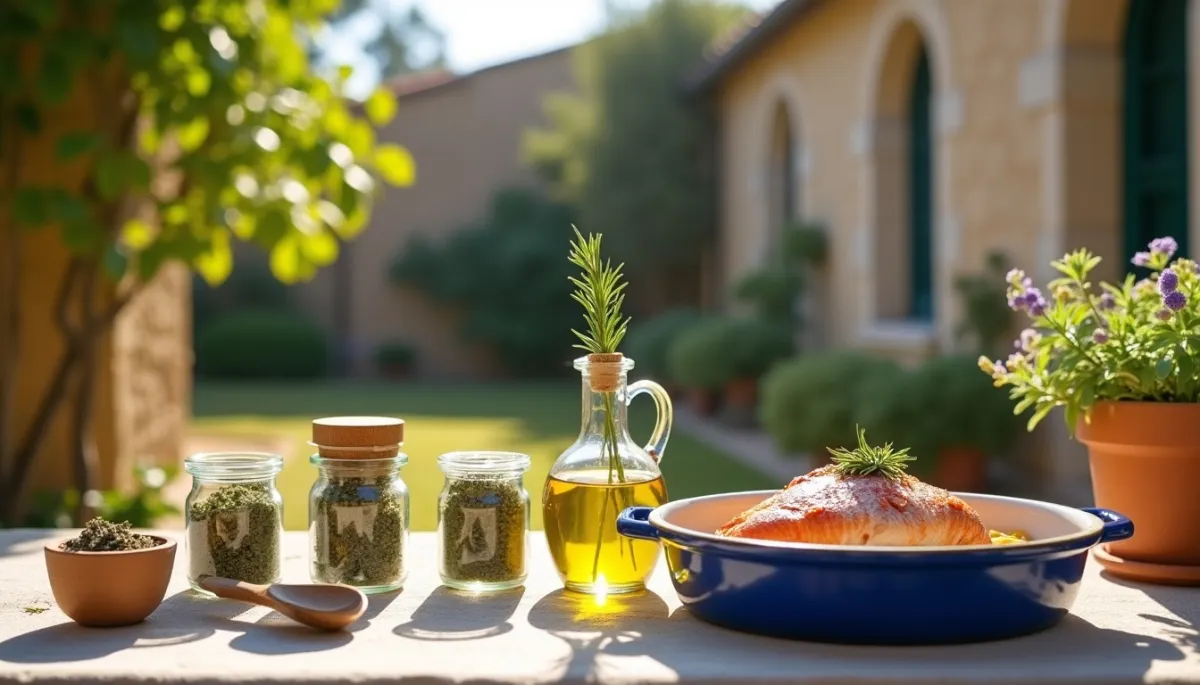
Practical, safe ways to benefit: make a mild infusion (5 minutes) of mixed herbs as a soothing drink, use an herb-infused olive oil for salads, add sprigs to broths, or inhale steam from a pot of simmering herbs for a short period. Keep portions culinary in size unless guided by a health professional.
For people on medication, especially blood thinners or those with epilepsy, seek medical advice. When buying blends, prefer regional labels that list constituents, and favor organically grown herbs to limit pesticide residues. Visiting a Provençal market is not just a culinary outing, it is an education in variety and provenance.
Thanks for reading, and don't forget, Enjoy Life Moments!