The Russian legacy of Nice: grand palaces and the Orthodox cathedral
🚀 Key Takeaways
- Key concept : The Russian presence in Nice grew in the late 19th and early 20th centuries, leaving architecture and rituals visible today.
- Practical tip : Visit the Cathédrale Saint-Nicolas early morning to avoid crowds, combine with a walk to the Russian cemetery in Caucade.
- Did you know : The Saint-Nicholas cathedral, consecrated in 1912, is one of the largest Orthodox churches in Western Europe.
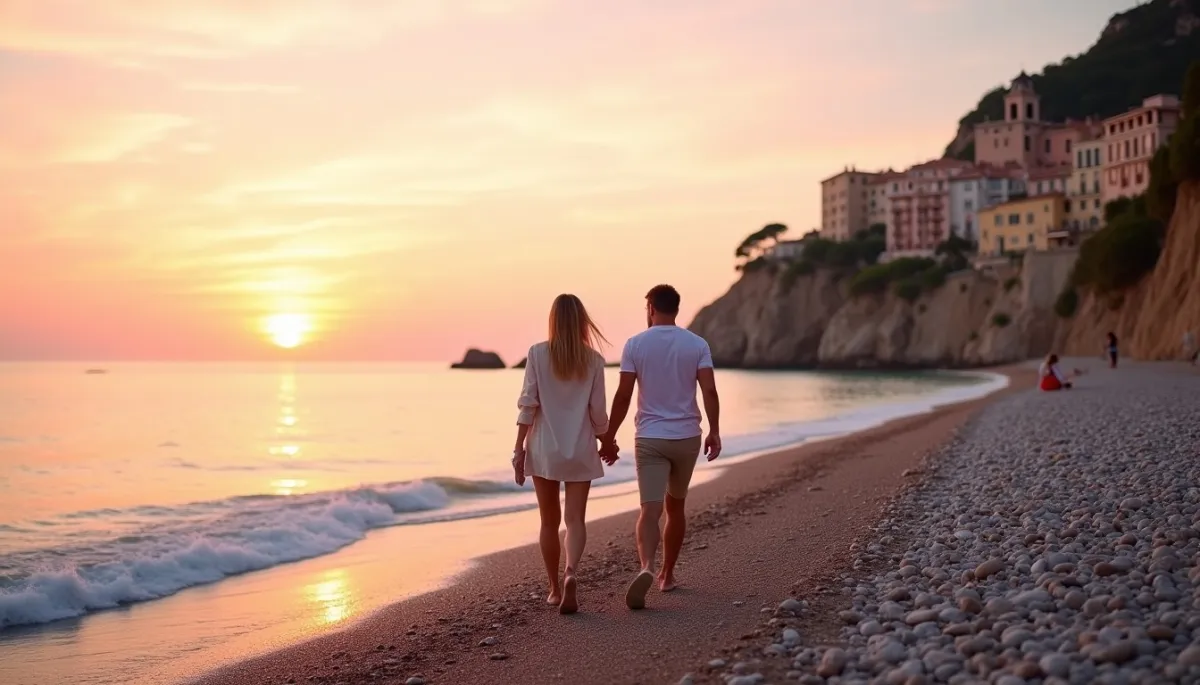
Light, color, and a distant bell. Walking toward the cathedral, you feel transported to another bank of the Mediterranean.
Traces visibles
Nice keeps visible marks of a wintering community that arrived in force during the Belle Époque. From the mid-19th century, wealthy Russians came to the Riviera to escape harsh winters, join the social season and build sumptuous residences.
Along the Promenade des Anglais and in the hills of Cimiez and the Caucade, villas and hôtels particuliers show eclectic façades, fretwork and sometimes profuse ornamentation inspired by Russian tastes as well as by French eclecticism.
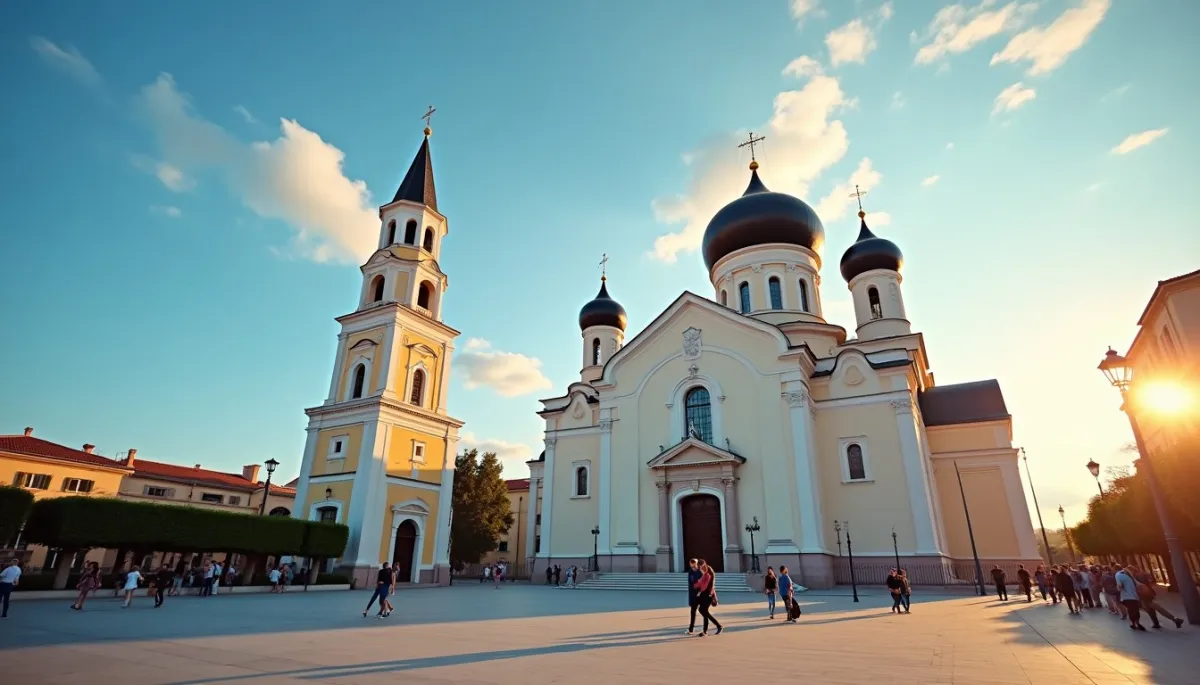
The most emblematic vestige remains the Cathédrale orthodoxe russe Saint-Nicolas, whose construction began in the early 20th century and which was consecrated in 1912. With its gilded onion domes and richly decorated interior, it stands among the largest Orthodox churches in Western Europe.
Pourquoi ici
The choice of Nice was practical and social. From the 1850s and especially after the 1860 annexation of Nice to France, the city became a fashionable winter resort. The mild climate, the seafront and a growing tourist infrastructure attracted aristocrats and sovereigns from across Europe.
Russian aristocrats and affluent families invested in real estate, commissioned villas and supported institutions. The Orthodox community organized itself to meet spiritual needs, which led to the desire for a permanent, representative church in the city.
Financing came largely from the Russian émigré community and patrons linked to the imperial court. The cathedral's presence symbolized both faith and prestige; it was a cultural anchor for a community that lived in Nice for months at a time.
Détails vivants
Inside Saint-Nicholas, an iconostasis (the screen of icons) carved by craftsmen, icons painted in the Russian pictorial tradition and a play of light over mosaics create a dense, devotional atmosphere. Visitors note the contrast between the Mediterranean light outside and the warm, golden glow within.
Nearby, the Russian cemetery in the Caucade quarter shelters the tombs of community members who died during their stays. Gravestones, mausolea and Orthodox crosses make the cemetery a discreet historical deposit, full of personal stories.
Beyond monuments, Nice still remembers Russian influences in street names, in private collections and in occasional cultural events, concerts or exhibitions that recall the city's pan-European past.
Tensions et évolutions
History is not static. The Russian presence ebbed after the 1917 Revolution and during the 20th century, some properties changed hands, fell into neglect or were transformed. The cathedral itself has gone through restoration phases and administrative debates over ownership and maintenance.
In recent decades, renewed interest has brought restorations, academic studies and cultural tourism. The centenary of the cathedral in 2012 was a moment of reconnection between local authorities and Russian cultural institutions, highlighting heritage conservation needs.
At the same time, evolving diplomatic contexts and issues of funding can influence how sites are preserved. Local communities, historians and municipal authorities now work together to ensure that these monuments remain accessible and properly interpreted for visitors.
Conseils pour le visiteur
To experience this chapter of Nice, start with a walk on the Promenade des Anglais, then head to the cathedral early to admire the domes and the interior frescoes with fewer people. Respect dress codes inside the church: modest clothing is appreciated.
Combine the visit with a short trip to the Caucade cemetery and the surrounding Belle Époque villas. Guided walks devoted to the Russian presence are organized by local guides; they add dates, names and anecdotes that bring the stones to life.
Finally, bring curiosity. Ask about the layers of history: the British and Italian seasons, the Russian winterers, the changes after 1917. Each element explains how Nice became, and remains, a meeting place of cultures.
Thanks for reading, and don't forget, Enjoy Life Moments!