The pointus: history of Provence's colorful small boats
🚀 Key Takeaways
- Core concept : The pointu is a small, double-pointed wooden fishing boat typical of Provence and the western Mediterranean.
- Practical tip : See them at dawn in Marseille's Vallon des Auffes or Cassis harbor; ask a local fisherman before boarding.
- Did you know : Bright paint was used historically for identification and good luck; the craft is now preserved by restorers and associations.
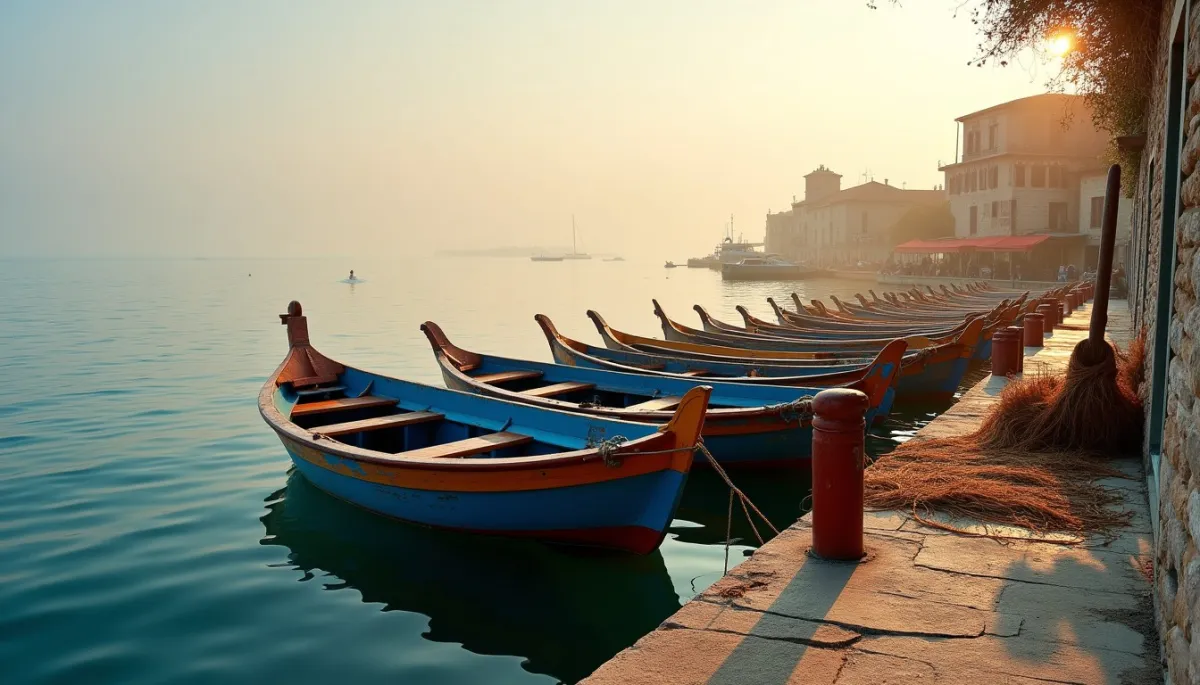
They look like painted smiles on the water. Imagine a narrow harbor at sunrise, ropes creaking, gulls circling, and a row of low wooden hulls—blue, ochre, vermilion—tethered to stone. A fisherman unwraps a net, an old varnished oar leans against a post, and the sea smells of iodine and fried fish.
Petite silhouette, grand symbole
The pointu (from Provençal meaning "pointed") is instantly recognizable by its tapered bow and stern. Low in the water and agile, it was designed for nearshore work: setting nets, hauling traps and ferrying catches quickly to market.
From the 19th century and through the first half of the 20th century, these boats populated ports from Marseille to Menton. They became an element of local identity, reproduced in postcards and paintings by artists who loved Mediterranean light.
Today, pointus are as much a cultural emblem as a tool. They appear in tourist photos, restaurant logos, and municipal initiatives that promote maritime heritage. In Marseille, the little boats of the Vallon des Auffes are a visual shorthand for the city's relationship with the sea.
Racines et gestes
Their lineage is Mediterranean, born of generations who understood the local sea: short fetch, rocky coastlines, and sudden winds. Construction relied on local timber and the hands of master carpenters (charpentiers de marine) who shaped planks to create a resilient hull.
With the motorization wave after World War II, many pointus were fitted with outboard engines in the 1950s and 1960s. That change kept them useful, but also altered lines and sometimes led to replacement by fiberglass hulls in later decades.
Since the 1990s, a revival has taken place. Associations, boat restorers and passionate owners have undertaken meticulous restorations, favoring traditional techniques. Exhibitions at maritime museums and local festivities helped shift public attention from obsolete tool to living heritage.
Entre conservation et modernité
The preservation of pointus faces tensions. Economic pressures push many fishermen to modern, larger boats. Regulations on safety and fishing quotas also change how small craft are used.
Conversely, tourism and cultural pride create opportunities. Local festivals, weekend gatherings of restored boats, and heritage routes invite the public aboard and fund restorations. The presence of pointus in film and photography boosts their symbolic value.
If you want to experience them respectfully, go early and speak to the owners. Many are happy to talk about paint patterns, names carved under planks, or the superstition of a coin nailed to the mast for luck. Avoid stepping onto hulls without permission and consider supporting a local restoration project.
Thanks for reading, and don't forget, Enjoy Life Moments!