Private beaches on the Riviera: how the law of the coast is changing
🚀 Key Takeaways
- Key concept : Beaches may be managed by private operators under concession, but the shoreline remains public (domaine public maritime).
- Practical tip : Check the municipal plan and look for public access paths; many so-called private beaches still guarantee a public corridor.
- Did you know : The loi littoral dates from 3 January 1986 and remains the backbone of coastal protection in France.
La mer appelle.
Imagine a summer morning in Pampelonne, the light on the pebbles, a line of canvas parasols and the muted clink of glasses. A rope marks an area, a maître d'ouvre la voie, and yet, along the edges, families walk past on a public path. The scene is both postcard and courtroom sketch: a public coastline lived alongside private hospitality.
Sable partagé
The coastal law in France is anchored in the loi littoral of 3 January 1986. Its aim was clear: protect the coast from uncontrolled urban sprawl and preserve public access to the sea. In practice, this means that beaches and the foreshore belong primarily to the public domain when they are subject to tidal influence or have been dedicated to public use.
Private beach clubs operate under concessions or authorizations. Municipalities may grant a concession to an operator to manage a portion of the foreshore for a limited time, with obligations such as maintaining public access, safety measures, and removable installations outside the bathing season.
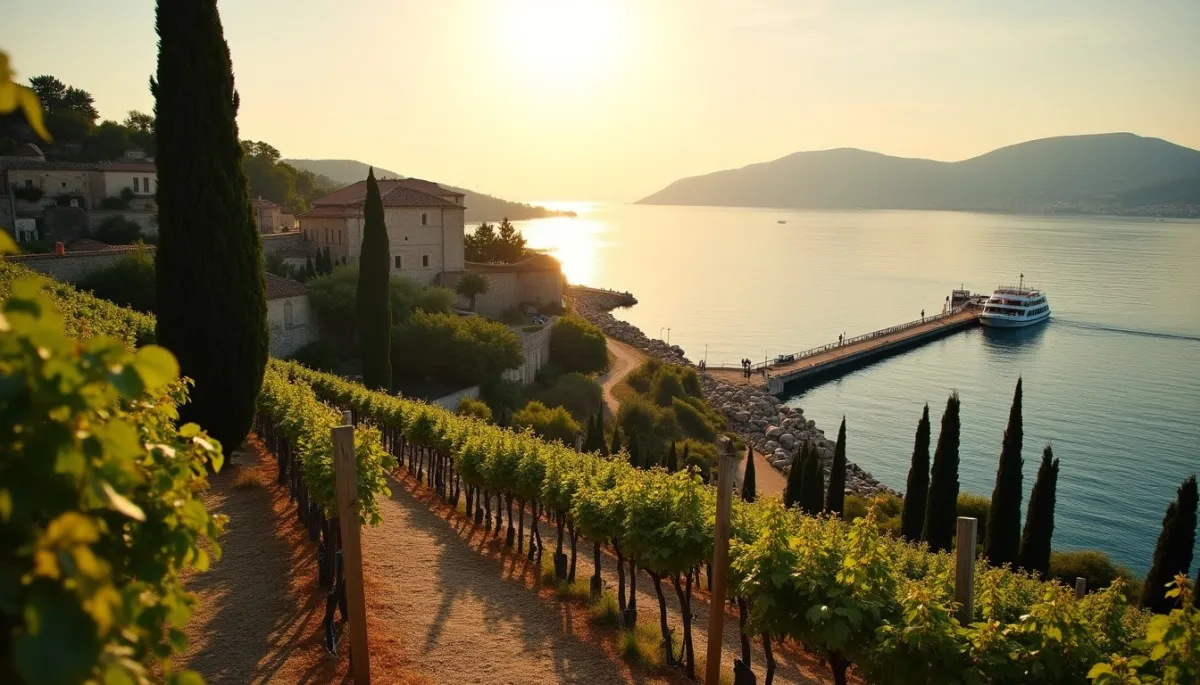
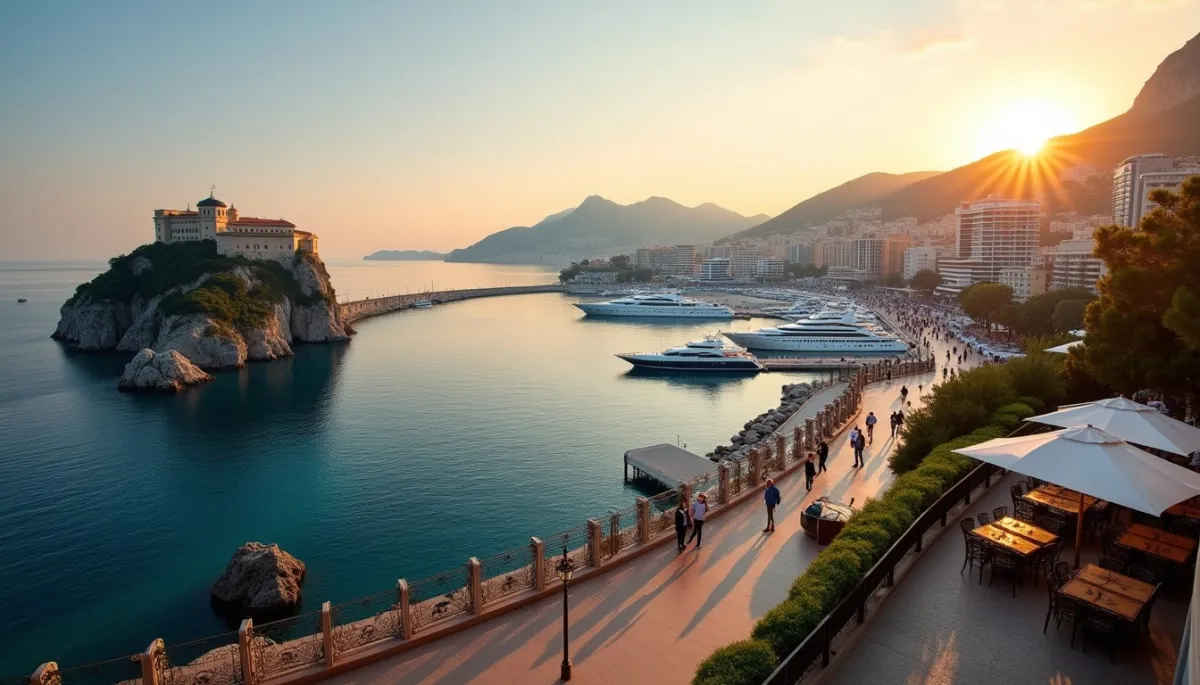
On the French Riviera, from Antibes to Saint-Tropez and Menton, the mix of public paths and leased establishments creates a patchwork. The result: visitors often encounter elegant lounges beside simple public strips where locals sit on towels and watch the yachts pass.
Raisons du boom
The popularity of private beaches has grown for several reasons. Tourism development and the desire for comfort and service push entrepreneurs to create exclusive experiences: restaurant service on the sand, sunbeds, DJs, events. These amenities generate significant seasonal revenue, both for operators and for municipalities through concession fees.
Urban pressure on the coast is another driver. Land is scarce and expensive on the Riviera. Rather than concrete buildings, operators prefer contracts on the foreshore, which allow seasonal business while appearing to respect the spirit of the loi littoral. This model has been attractive since the late 1980s and expanded through the 1990s and 2000s.
Legal adaptations and jurisprudence have also shaped the trend. Over the years, courts have clarified that private installations must remain temporary and removable, and that any impediment to public access can be contested. Municipal planning documents (PLUs) increasingly include specific clauses about beach concessions.
Vents contraires
Contradictions are frequent. In several high-profile disputes, prefectures, municipalities and environmental associations have clashed with operators. Courts, including administrative tribunals and sometimes the Conseil d'Etat, have balanced economic interests with public freedom of access. In many cases, the ruling emphasized that a concession cannot create a de facto private property over public shoreline.
Climate change complicates the picture. Shoreline retreat and storm surges force a re-evaluation of concessions. A concession granted for a given zone may become untenable as the sea advances, raising questions about relocation, indemnities, and the very definition of the public domain over time.
Future developments include tightened environmental requirements, more conditional concessions, and stronger enforcement of access corridors. Municipalities are experimenting with seasonal zoning and flexible contracts that plan for coastal migration.
Pratiques et conseils
When you visit the Riviera and encounter a private beach, remember a few practical points. First, look for signs indicating a concession. These often show the name of the operator and the concession period. Second, ask about public access paths. Many beaches keep a free strip along the waterline or a side path.
For the curious, municipal registers and PLUs are public. A quick search on the town hall website can reveal whether a beach is under concession, its duration, and the clauses that protect public access. Local associations, like those defending the littoral, publish guides and reports that are useful to understand rights and ongoing disputes.
Finally, respect the subtle balance: private beaches contribute to the Riviera's charm and economy, while the law aims to keep the sea accessible to all. Enjoy a cocktail, but step aside for someone walking the shoreline; you will participate in a living compromise rooted in French coastal law.
Thanks for reading, and don't forget, Enjoy Life Moments!