The French Riviera beyond luxury and clichés
The French Riviera is reinventing itself: it is not just a setting of luxury and glitter. Between authentic villages, secret coves and living culture, the region reveals another facet, more intimate and lasting.
In 2026, the Côte d'Azur will retain its international appeal while asserting new choices — preservation of the coastline, short circuits and enhancement of local heritage. This article offers an exploration that goes beyond clichés and invites you to discover a multiple and surprising Riviera.
We travel through Nice, Cannes, Monaco, Antibes, Saint-Tropez and the less frequented promontories to show how history, gastronomy, nature and contemporary creation today make up a rich and accessible experience.
History and identity beyond glamour
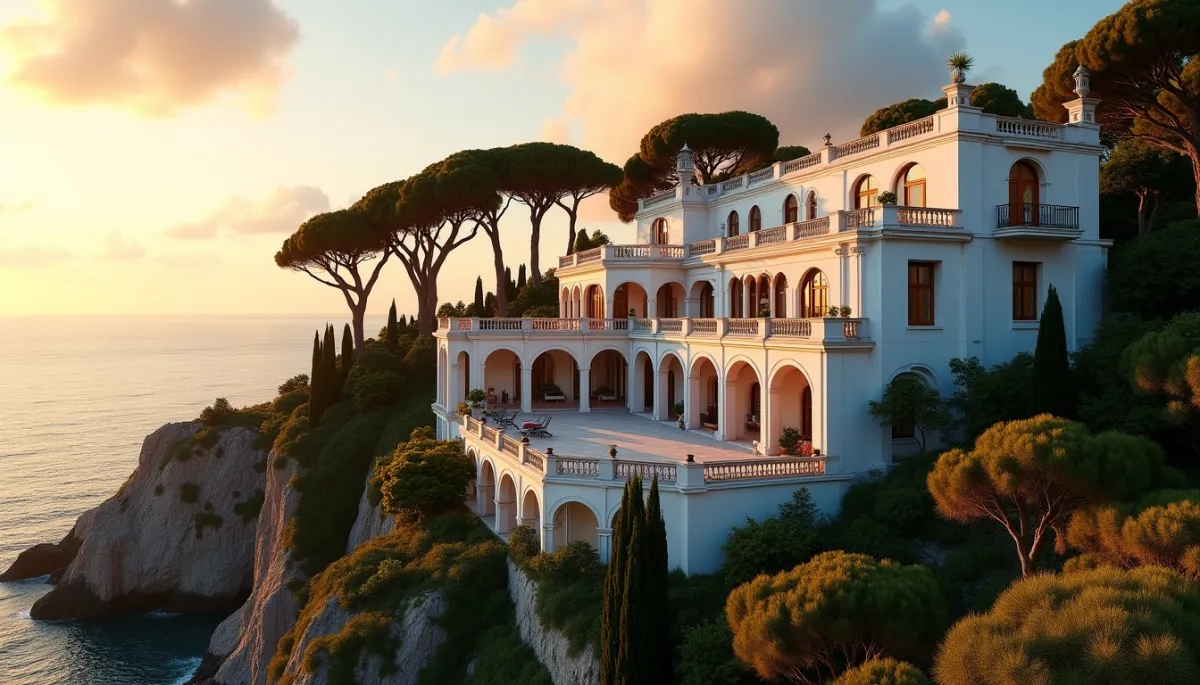
The Côte d'Azur has a history well before yachts and palaces: Greek trading posts, medieval villages, and 19th century resorts have shaped a dense cultural landscape. Understanding these historical layers allows us to read cities and their architecture differently.
To delve deeper into the geographical and cultural history, the page dedicated to the Côte d'Azur on Wikipedia remains a practical and documented resource: fr.wikipedia.org - Côte d'Azur. Exploring these roots helps push back against the unique image of a region solely dedicated to luxury.
Villages and communities: authenticity rediscovered
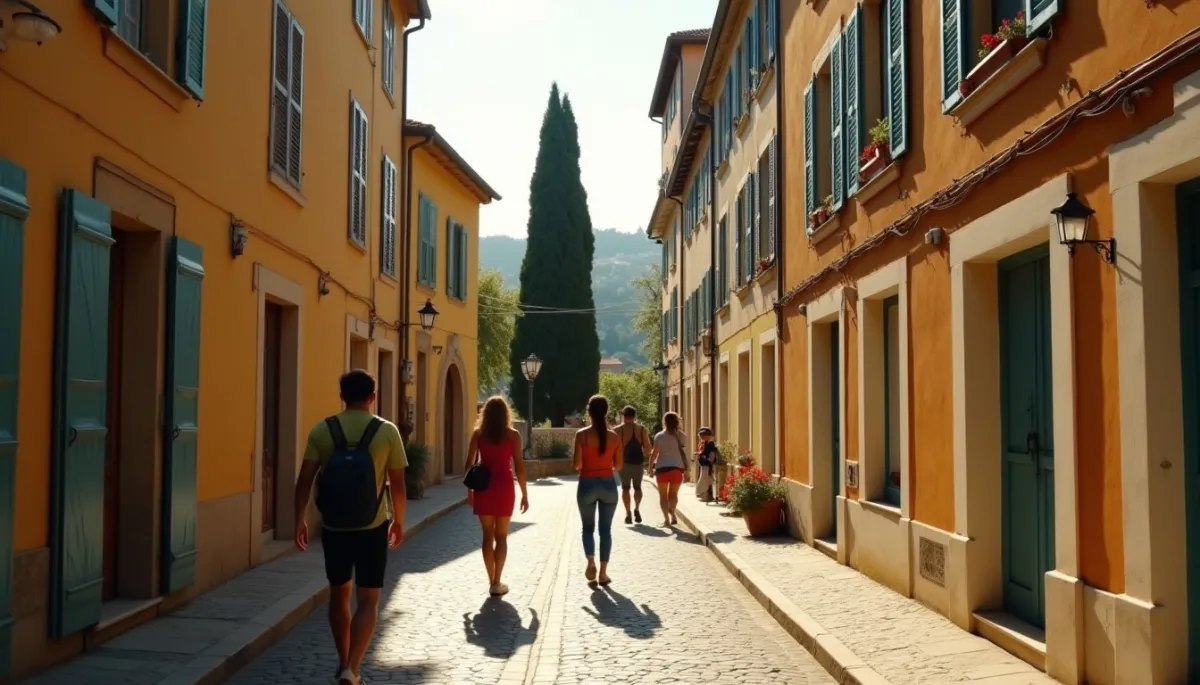
Beyond the emblematic shores, it is the perched villages (Eze, Saint-Paul-de-Vence, Biot) and the popular neighborhoods which convey the Riviera authenticity. Artisans, fishermen and winegrowers contribute to a dynamic local life often invisible on traditional tourist circuits.
New walking walks, farmers' markets and local festival days provide access to these communities: participating in a market morning in Antibes or an olive workshop near Nice is radically changing the tourist narrative.
Gastronomy and terroir: beyond starred restaurants
The cuisine of the Riviera is more than haute cuisine: it is based on seafood, wild herbs and local produce such as Bellet wines or Provence olive oil. Family restaurants, bistros and small producers offer authentic and often more sustainable culinary experiences.
In 2026, the culinary scene will see a proliferation of locavore initiatives and chefs who collaborate with local fishermen and farmers — a concrete way of supporting the local economy while enjoying dishes rooted in their territory.
Nature and secret coasts
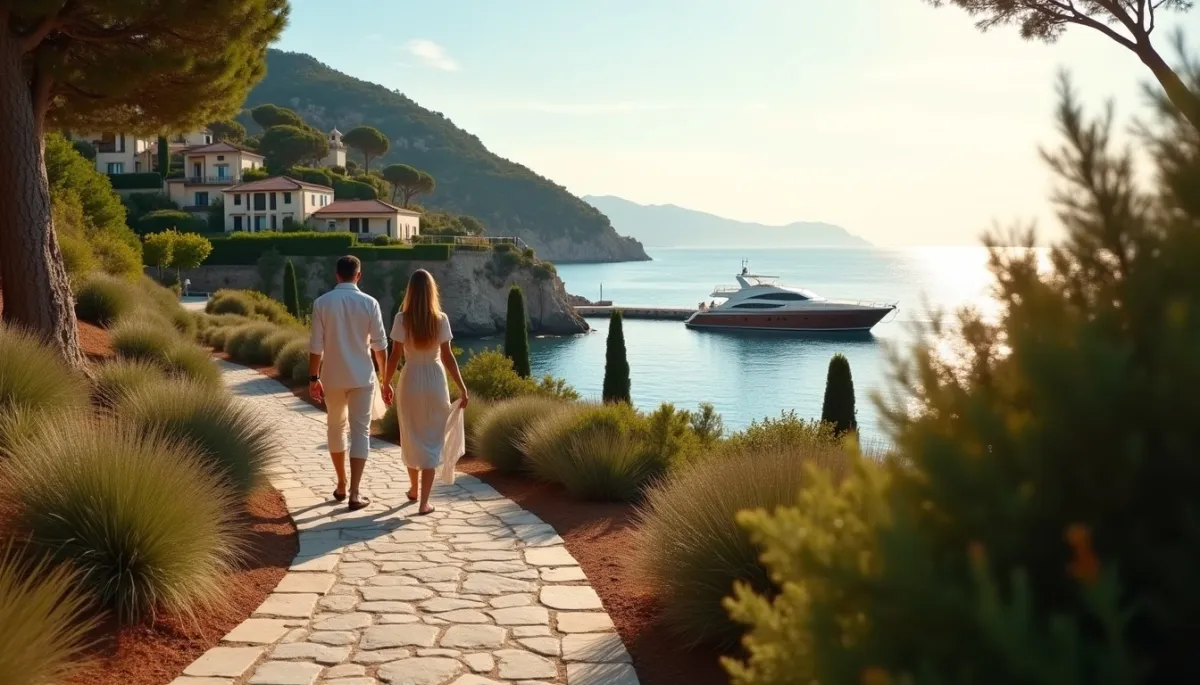
The Riviera is not just a line of urban beaches: capes, coves and islands (like the Lérins islands) are home to remarkable biodiversity. Coastal paths, notably the Sentier du Littoral, offer exceptional panoramas just a few steps from the crowded beaches.
Initiatives to preserve coves and marine areas are developing, and the practice of responsible tourism (moderate hours, waste collection, respect for protected areas) is now valued by local stakeholders.
Arts, festivals and local creations
If the Cannes Festival attracts the world's spotlight, the region also vibrates to the rhythm of more intimate events: jazz festivals in Nice, Les Voiles de Saint-Tropez, contemporary exhibitions in Antibes (Picasso Museum) or at the Villa Ephrussi in Saint-Jean-Cap-Ferrat.
From emerging galleries to artisan workshops, the French Riviera is developing a creative scene that mixes tradition and experimentation, offering a rich cultural panorama far from just luxury showcases.
Sustainable tourism and 2026 initiatives
In 2026, climate issues and tourist pressure have accelerated concrete measures: reinforced pedestrian zones in city centers, soft transport and coastal preservation policies. More and more accommodations and restaurateurs are communicating about responsible practices.
To prepare your stay, the official website of the destination brings together practical information and local recommendations: cotedazurfrance.fr - Tourist Office. These resources help to design respectful and enriching stays.
Practical advice for exploring differently
Focus on walking, cycling and public transport to get a feel of the region, and avoid peak times at popular sites. Look for morning markets, sleep in small guest houses or private rooms to meet local people.
Finally, plan visits in low season (spring and autumn) to enjoy a more authentic atmosphere, more preserved nature and more real encounters with locals and artisans.
Thanks for reading, and don't forget, Enjoy Life Moments!