Environmental challenges on the French Riviera
🚀 Key Takeaways
- Core concept : Climate change, coastal erosion and tourism pressure are reshaping the Riviera.
- Practical tip : Choose mooring buoys, avoid anchoring on seagrass, support MPA-friendly operators.
- Did you know : Port-Cros is one of France's oldest marine protected areas and a local model for conservation.
The Côte d'Azur has built a world image around its light, its beaches and its towns. That image now meets urgent environmental realities that change how we travel here.
I write as a local explorer who knows the hidden coves of Cap d'Antibes, the Lérins islands and the shorelines of Nice and Cannes. The challenges are complex, but many solutions are tangible and within reach.
Climate change and warming seas
Mediterranean waters are warming faster than many other regions. Marine heatwaves, recorded in 2016 and 2018, have caused mass mortality events for invertebrates and gorgonians along rocky reefs. Higher sea temperatures stress seagrass meadows such as Posidonia oceanica, a key habitat that stores carbon and shelters young fish.
Locally, warmer summers mean more frequent algal blooms and shifts in fish species. For towns like Villefranche-sur-Mer and Antibes, that translates into changes in the fishing calendar and visible impacts on beaches and snorkeling sites.
Coastal erosion and rising sea level
The Riviera's coastline is heavily urbanized. Roads, promenades and historic villas were often built close to the shore during the 19th and 20th centuries. Combined with rising sea levels and stronger storm surges, this leads to accelerated coastal erosion in areas such as the Esterel cliffs and sandy pocket beaches around Cannes.
Engineered responses, from seawalls to beach replenishment, can protect assets in the short term. However, these interventions are costly and often move the problem elsewhere. More resilient strategies include restoring dunes, reconnecting natural sediment flows and implementing setback rules for new coastal development.
Water resources, floods and intense rainfall
The region experiences a paradox: prolonged summer droughts and exceptionally intense autumnal storms. The October 2020 floods caused by Storm Alex in the Alpes-Maritimes are a recent reminder of how sudden hydrological events can devastate valleys and towns upstream from the coast.
Municipalities are investing in green infrastructure, such as permeable pavements, retention basins and reforestation of upstream catchments, to buffer both drought and flood risks. Household water conservation also matters, especially during peak tourist months when demand spikes.
Biodiversity under pressure
The Riviera hosts a mosaic of habitats: maquis scrub, coastal lagoons, Posidonia meadows and offshore rocky reefs. Urbanization, pollution, invasive species and coastal works fragment these ecosystems. For example, anchoring by large yachts damages seagrass, while untreated runoff can harm water quality near marinas in Cannes and Golfe-Juan.
Protected areas provide a shield. The Parc national de Port-Cros and Natura 2000 sites around the Lérins islands are models showing how no-take zones and regulated fishing benefit biodiversity and fisheries. Citizen science projects and beach clean-ups, led by associations like Surfrider Foundation Europe, are also part of the answer.
Tourism, yachts and the local economy
Tourism is the Riviera's economic backbone, but seasonality concentrates pressure on resources and services. Mega-yachts and high numbers of leisure boats intensify pollution, noise and habitat damage in sheltered bays. Ports face sewage and greywater management issues that need strong regulation and modern infrastructure.
Solutions already emerging include limiting anchoring in sensitive areas, installing regulated mooring fields with fixed buoys, and encouraging charter operators to adopt low-impact practices. Events such as the Cannes Film Festival are adopting greener operations, reducing single-use plastics and improving waste management.
Local governance and community initiatives
Regional authorities and municipalities are not passive. The Métropole Nice Côte d'Azur has launched climate and adaptation plans that promote public transport, energy efficiency and coastal resilience. The Conservatoire du littoral works to buy and protect fragile coastal parcels, preventing further overbuilding.
At grassroots level, associations, local winemakers and restaurateurs are shifting practices. Vineyards on the hinterland adjust to changing rainfall, while restaurants promote seasonal local fish and reduce food waste. These small choices add up.
What visitors and residents can do
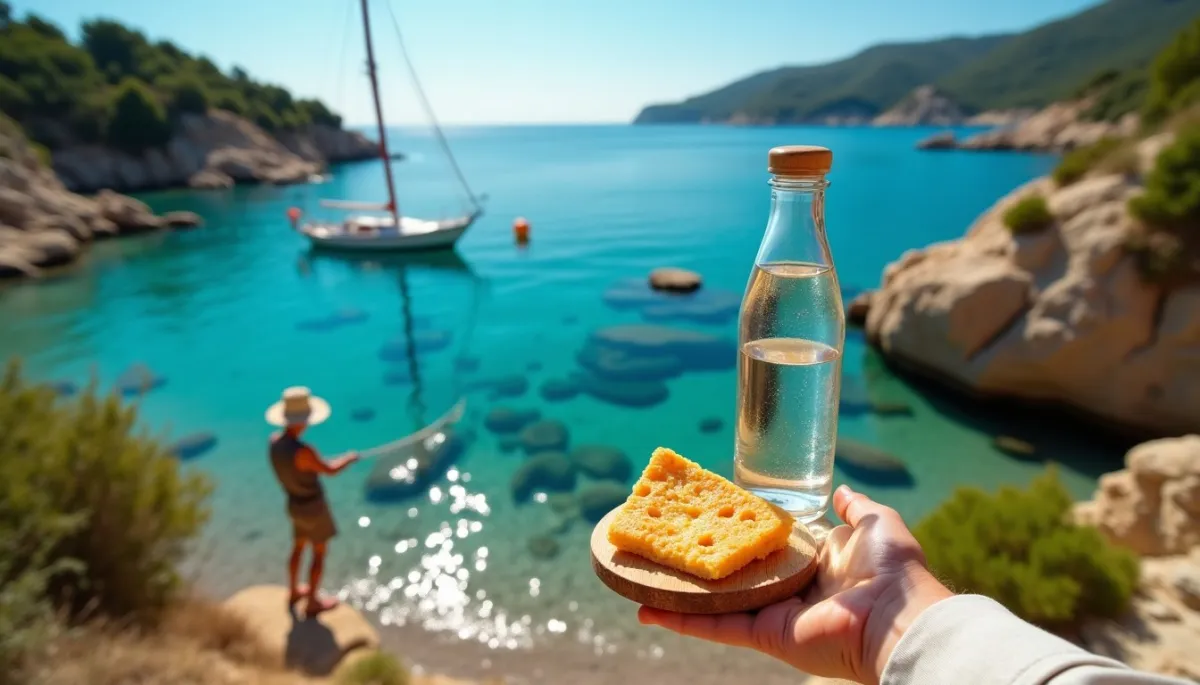
There is practical power in everyday choices. When you visit, use marked mooring buoys rather than anchoring on meadows, support businesses that treat wastewater properly, avoid single-use plastics, and prefer public transport, bike or walk in towns like Nice or Menton.
Engage with local NGOs, join a beach clean-up, or simply learn to recognize Posidonia meadows and why they matter. Tourism can be part of the solution if it funds conservation and respects limits.
Thanks for reading, and don't forget, Enjoy Life Moments!