Jazz in Juan-les-Pins: how the Riviera became Europe's capital of swing
🚀 Key Takeaways
- Key concept: Jazz à Juan, founded in 1960, anchored the Riviera as a European jazz capital.
- Practical tip: Visit the Pinède Gould concerts in July, book early and combine with a walk on the Cap d'Antibes.
- Did you know: Many American jazz legends performed at Juan, helping make the festival a cultural crossroads.
Close your eyes and listen, you can almost hear the waves keeping time with the brushes on a snare drum.
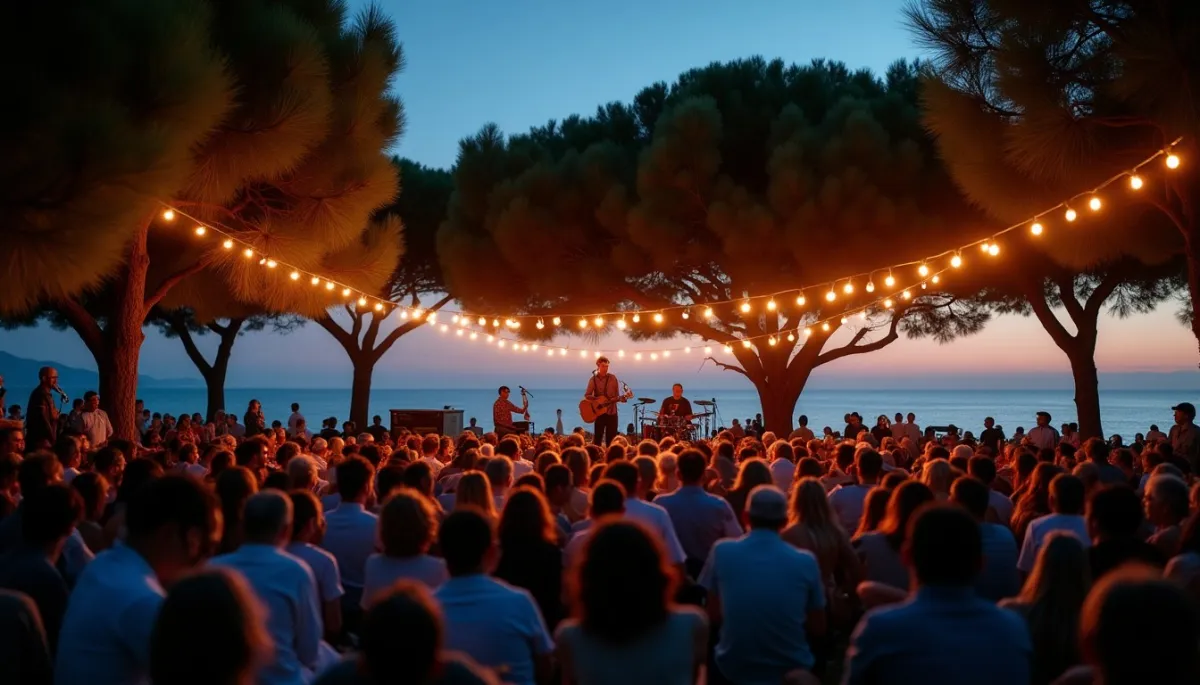
A warm July night, paper cup of local rosé in hand, the stage lights cut through the scented canopy of umbrella pines at the Pinède Gould. Couples sway, teenagers sit on the grass, and an old trumpet player in a linen shirt plays a phrase that makes the crowd fall silent. That scene repeats itself, now for more than six decades, and it is part of what gives the Riviera its musical heartbeat.
Pinéde en fête
Jazz à Juan was created in 1960 on the Cap d'Antibes, and from the beginning it was an open-air celebration. The Pinède Gould, a shaded park near the sea, became the festival's emblematic stage. The natural amphitheater (trees, sea breeze, night sky) turned concerts into communal rituals, different from indoor clubs or concert halls.
Over the years, the festival expanded its program to include big names and exploratory projects, attracting audiences from across Europe. The event is held primarily in July, and today it still draws tens of thousands of listeners over its run, mixing paid headline shows and free afternoon sessions that keep the streets alive.
The palpable consequence of this long tradition is cultural density. Galleries, clubs, hotels and restaurants adapted. Local businesses calendar their summer around the festival, and the town of Juan-les-Pins lives visibly to the rhythm of swing, bop and modern jazz each summer.
Une histoire d'icônes
The cause of the Riviera's jazz fame lies in a powerful mix: geography, post-war cultural exchange, and a willingness to welcome American artists. In the 1950s and 1960s, the French coastline was already a magnet for international travelers, and Jazz à Juan became a guaranteed stop on the touring circuit for U.S. jazz musicians.
Names associated with the festival read like a who's who of jazz. Ella Fitzgerald, Miles Davis, Louis Armstrong and Chet Baker are among the legends who performed in Juan, contributing to an aura that spread across Europe. Those concerts were often reported widely, and they helped to position the Riviera as a place where music and leisure merged seamlessly.
Local promoters and municipal support also mattered. The festival has always been the result of collaboration between artistic directors, volunteers and the town. Early organizers understood that presenting international jazz outdoors, under the stars, offered a unique experience that recordings or clubs could not replicate.
Rivage et renouveau
However, the story is not only nostalgia. The festival and the Riviera continuously reinvent themselves. Contemporary editions mix classic swing with modern jazz, fusion and world music, reflecting changing tastes without severing ties to tradition.
There are tensions to negotiate. Urbanization, rising tourism, and noise regulations sometimes constrain programming. In response, organizers have diversified venues (smaller club stages, daytime workshops, boat concerts) to keep the spirit alive while adapting to new constraints.
For visitors, this evolution is an invitation. Attend a headline concert at the Pinède Gould, then explore an afternoon jam in a local bar, or join a workshop to learn basic swing steps. The Riviera offers both the grandeur of historic performances and the intimacy of new scenes.
Practical rhythms
If you plan a trip: aim for July when the festival is most active. Book tickets early for headline nights, and consider staying in Antibes or nearby Juan to walk to the Pinède Gould. Public transport links with Nice and Cannes make day trips easy.
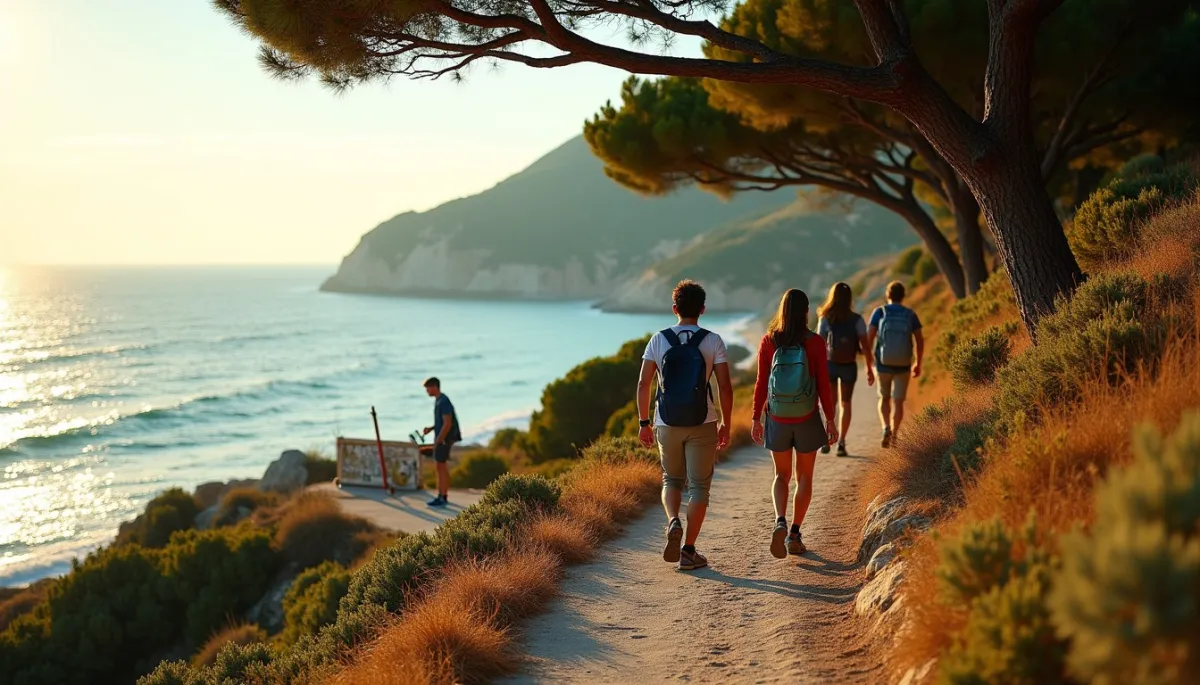
Bring comfortable shoes and a light jacket for evening sea breezes. Discover the old town of Antibes after the concert, and stop at a local bodega for socca or anchovy-based starters to pair with local wines.
Finally, listen with curiosity. Knowing a few names and a bit of history enriches the experience. Ask locals about memorable concerts, and you will likely hear stories about a performance that changed someone's life, or a midnight jam on the beach that became a whispered legend.
Thanks for reading, and don't forget, Enjoy Life Moments!