Col de Vence: the Riviera climb that tests cyclists
🚀 Key Takeaways
- Core concept : Col de Vence is a classic Riviera climb offering panoramic views and varied routes.
- Practical tip : Ride spring or autumn, carry tubes and a compact cassette for steep pitches.
- Did you know : The climb links cultural stops like Vence, the Matisse chapel, and the Fondation Maeght nearby.
Breathe, pedal, look. The summit rewards effort with a wide horizon where sea and mountains meet.
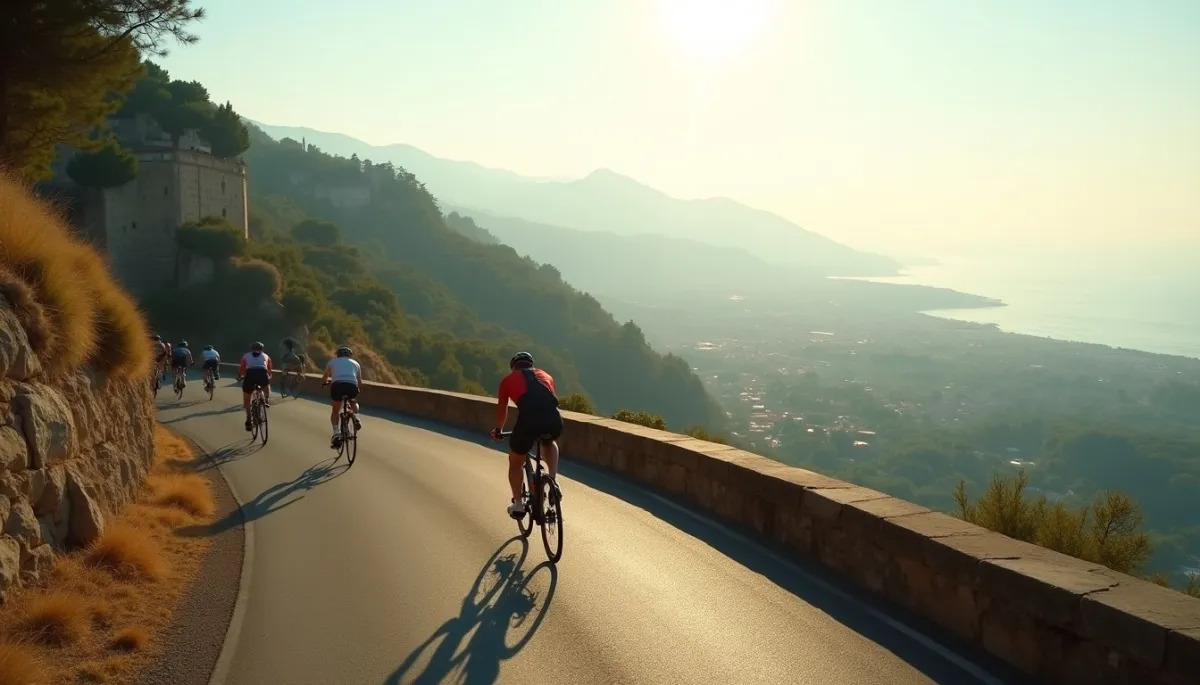
On a cool morning, groups of local club riders leave Nice before dawn, head up winding asphalt through Mediterranean scrub, cross hamlets where bakery ovens still warm the day, and arrive at the plateau of Vence. Cyclists pause for the view toward the Gulf of Saint-Tropez, or for coffee in the tiny cafés near the col. The scene repeats on weekends: Lycra and gravel, electric bikes and vintage steel frames, all sharing narrow roads carved into limestone.
The terrain that elevates
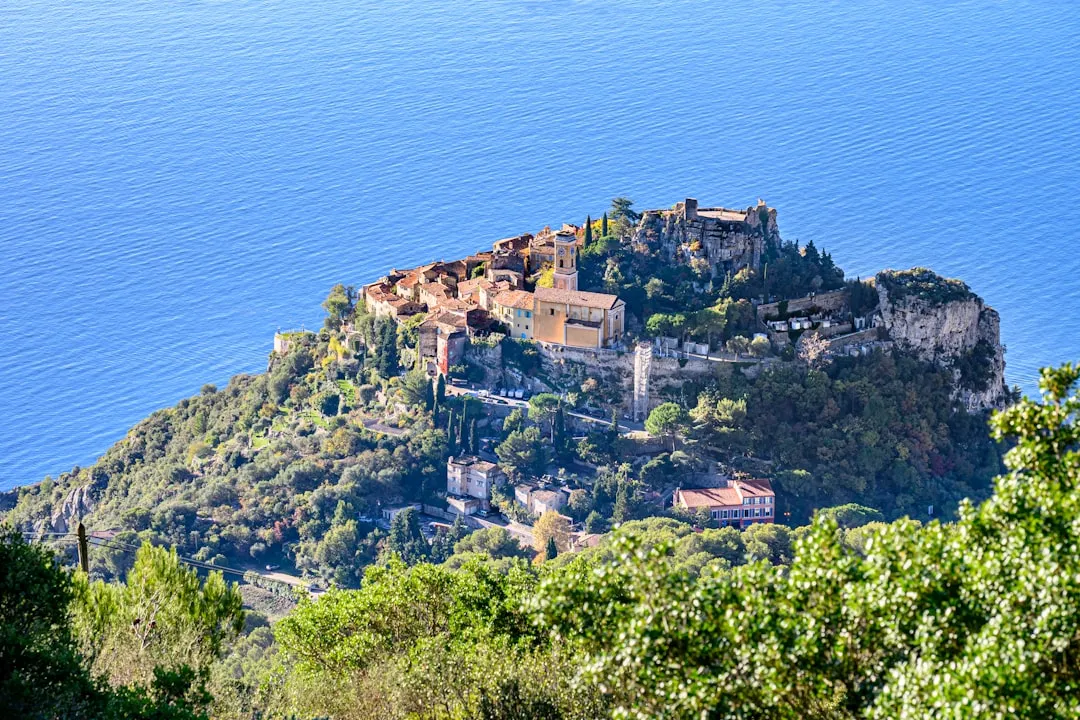
The Col de Vence sits on the inland edge of the Côte d'Azur, at roughly 960 metres above sea level, and forms a natural balcony over the Mediterranean. Depending on the chosen approach, the ascent can range from about 8 to 12 kilometres, with average gradients typically between 5 and 8 percent. Those numbers turn a pleasant ride into a genuine workout, which explains why the pass is beloved by local riders.
The climb's popularity has concrete consequences for tourism. Cycling groups based in Nice, Antibes and Cannes schedule regular sorties here; rental shops list Col de Vence among recommended loops; boutique hotels tailor packages for cyclists, offering secure bike storage and early breakfasts. On weekends you will see more license plates from Paris and Lyon than in midweek, proof that the col attracts visitors willing to combine seafront leisure with mountain effort.
Beyond leisure, the pass contributes to local economies. Cafés and small restaurants in nearby Vence and Saint-Paul-de-Vence note increased traffic from cyclists in spring and autumn. Cultural spots, such as the Chapelle du Rosaire de Vence (Matisse, built 1949-1951) and the Fondation Maeght in Saint-Paul-de-Vence (opened 1964), become natural stops for riders who want art with their espresso. The col is therefore part of a combined offer: sport, culture, and gastronomy.
Why cyclists come
Several causes explain the climb's rise in status. First, the Côte d'Azur remains a training ground for racers and amateurs because of its mild climate and varied terrain. Professional teams and training camps, particularly around Nice, have long used Riviera roads for winter base work, attracting attention to climbs like Vence.
Second, the boom in cycling tourism across France has encouraged local authorities and businesses to promote routes. Bike rental services, guided tours, and mapping apps highlight Col de Vence. The arrival of reliable e-bikes widened access: riders who once hesitated at long ascents now arrive at the summit smiling, increasing both numbers and the diversity of visitors.
Finally, the combination of sea views and alpine light makes the climb uniquely photogenic. Social media amplifies that appeal; a single striking photo of a cyclist on a hairpin with blue horizon can inspire dozens of weekend trips. This visibility feeds a virtuous circle: more riders, more services, more visibility.
What to watch
The trend has positive effects, but also raises challenges. Road safety is a daily concern: narrow stretches, descending speeds, and mixed traffic require mutual respect. Local clubs often run awareness campaigns, and riders are advised to be assertive but courteous, use lights even by day, and signal clearly when overtaking.
Infrastructure remains uneven. While urban segments near Nice benefit from bike lanes and paths, the mountain approaches rely on traditional roads. Parking at popular trailheads fills quickly on sunny weekends. For quieter rides, plan weekday departures, or aim for early mornings between March and June, or September and November, when temperatures are pleasant and vistas are clear.
Practical advice for the ascent: choose a compact or a wide-range cassette to manage steep ramps, carry at least two spare inner tubes, a mini-pump, and energy snacks. Respect local rules: no litter, avoid blocking narrow village streets, and check weather forecasts, as mountain fog can descend quickly. Finally, pair the ride with a cultural stop—Matisse's chapel or the Fondation Maeght—so the effort becomes part of a richer Riviera experience.
Thanks for reading, and don't forget, Enjoy Life Moments!