Prestige education: how international schools shape the Swiss Riviera
🚀 Key Takeaways
- Core concept : International schools bring skilled people, money and networks to the Riviera.
- Practical tip : Visit campuses during open days and prioritise housing near public transport to combine school life and local immersion.
- Did you know : The region blends UNESCO-listed terraces of Lavaux with campuses hosting students from over 60 nationalities.
There is a hum of languages by the lake.
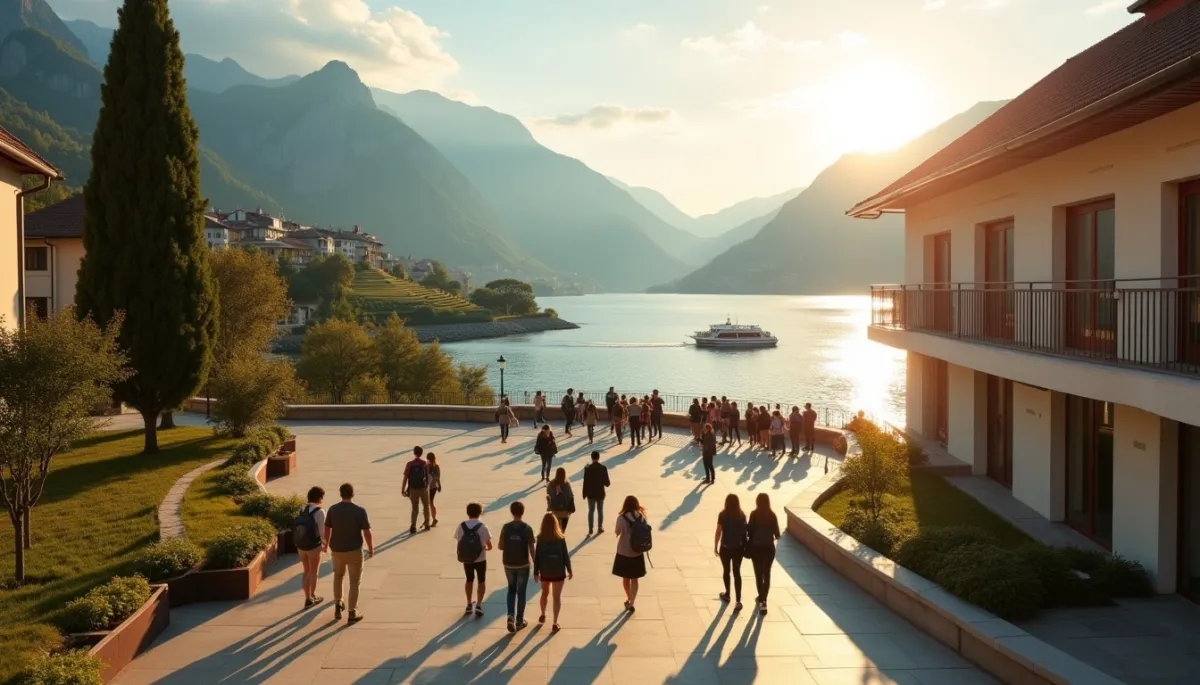
Imagine a Thursday morning in Vevey: bicycles weave between delivery vans, a group of boarding students in navy blazers cross toward a lakeside shuttle, and a guest lecturer from a business school disembarks at the ferry. Cafés fill with parents and professors, while vineyards on the terraces catch the sun. The scene captures how education and everyday Riviera life now intertwine.
New local rhythms
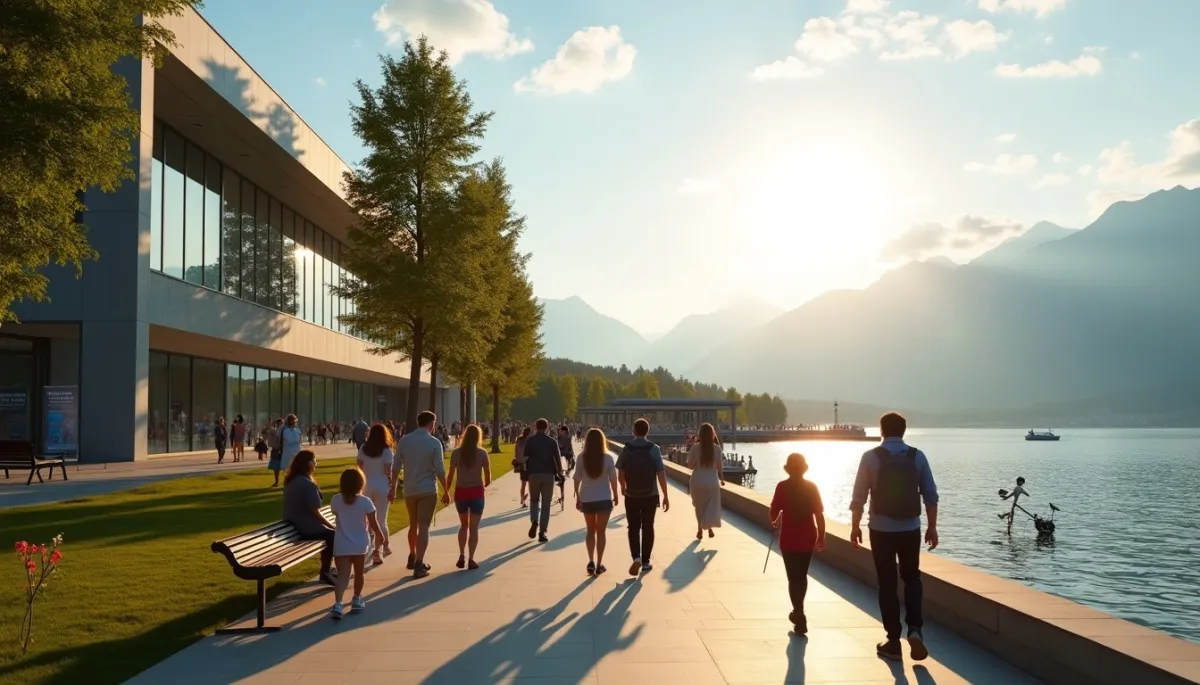
International schools and grandes écoles (from EHL in Lausanne to top-ranked business programmes) generate immediate, visible effects: rising demand for rental housing, expanded childcare and private transport services, and an uptick in multilingual cultural offerings. Cafés and bookstores adapt their opening hours, real estate agencies list furnished short-term rentals aimed at visiting scholars, and local associations organize English-language concerts and talks.
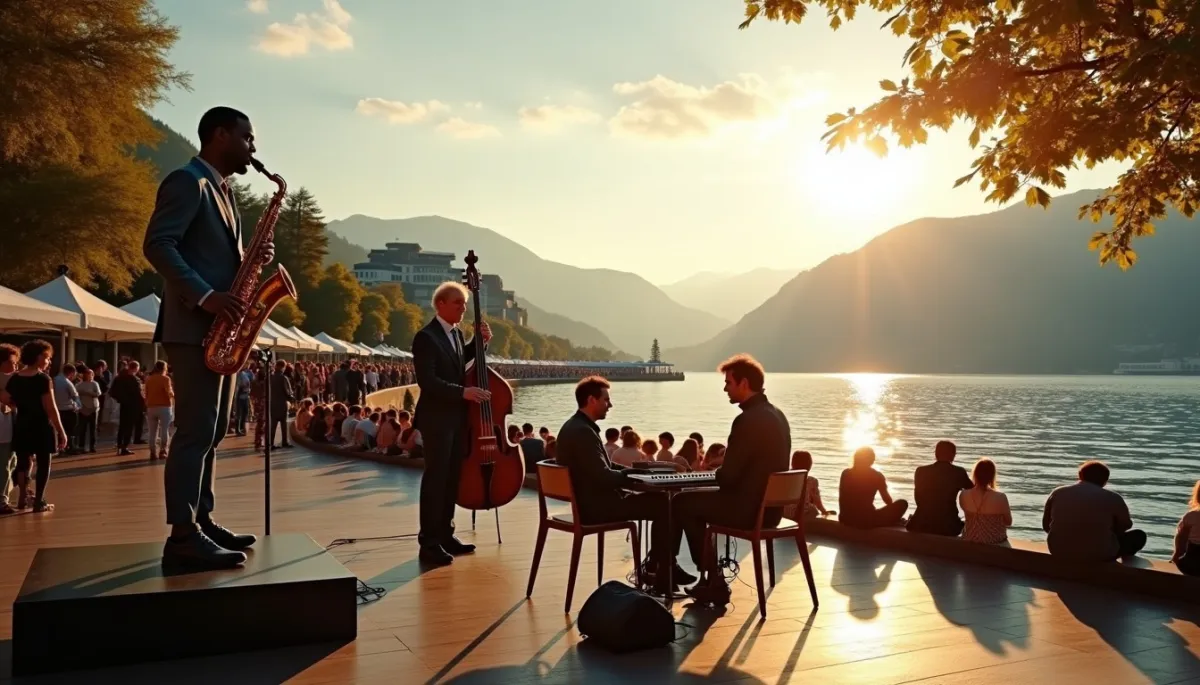
These institutions also act as economic anchors. Faculty recruitment leads to higher-skilled jobs in schools themselves and in sectors that service them: hospitality, domestic help, private tuition. Seasonal fluctuations — term starts in September and January — shape the hospitality calendar, complementing tourist peaks such as the Montreux Jazz Festival, founded in 1967.
On the social level, international classrooms bring diverse networks. Students from 40 to 60 nationalities often cohabit campuses, fostering multicultural clubs, charity drives, and cross-border internships with Geneva and Lausanne companies. That diversity has become a selling point for the Riviera’s image abroad.
Roots and reasons
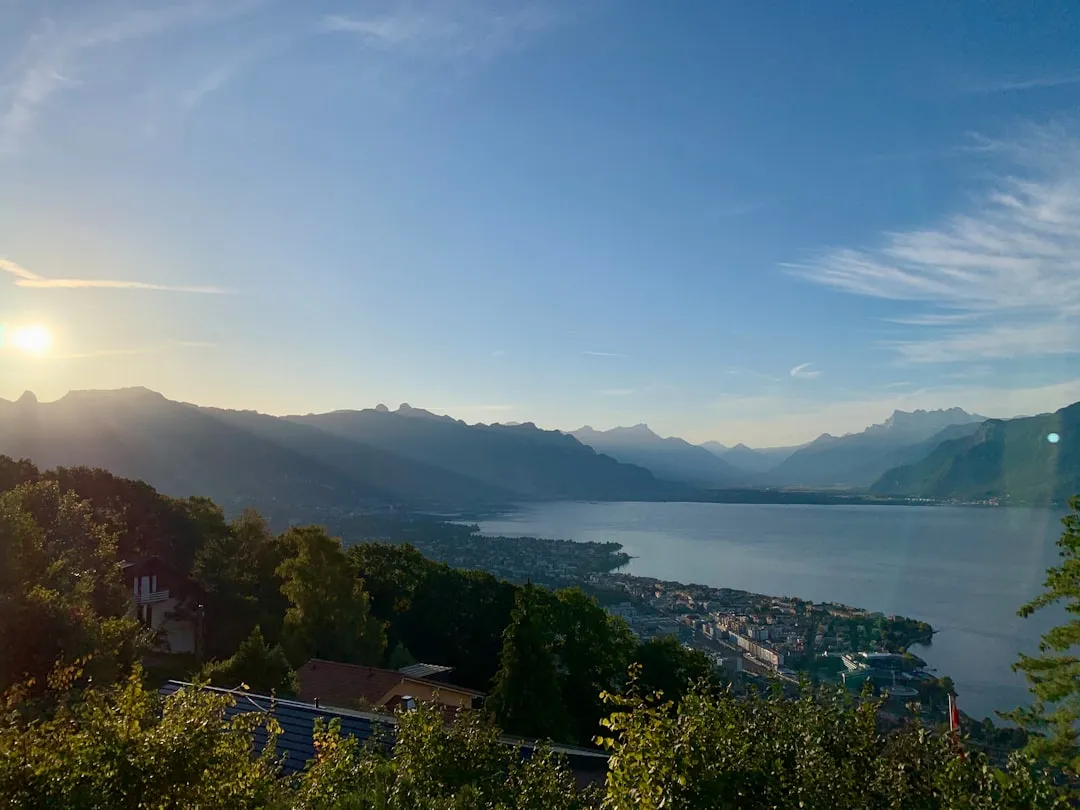
Why did the Riviera attract these schools? Geography is the first answer. Lake Geneva, temperate microclimate and efficient Swiss public transport create a safe, attractive environment for families and educators. Historic schools like EHL (founded in 1893) and long-standing boarding schools nearby established a reputation for excellence that new international programmes build upon.
Switzerland’s political stability, favourable privacy and banking services, multilingual workforce and proximity to global hubs such as Geneva and Zurich make the Riviera logistically convenient. Parents working in multinational organisations or international finance often prefer schooling nearby, and institutions respond by offering English-medium curricula, IB (International Baccalaureate) programmes and bespoke pastoral care.
Policy choices matter too. Cantonal cooperation on transport and welcome services, alongside private investment in campus facilities, has allowed schools to expand without severing ties to villages and small towns. Local partnerships — internships with EPFL research labs or hospitality projects with EHL students — keep the ecosystem connected.
Questions and balances
Yet the same dynamics raise tensions. Pressure on housing markets can push local residents to the periphery, and short-term rental conversion affects neighbourhood cohesion. Municipal councils in Vaud have begun to address zoning, but solutions require careful negotiation between municipalities, schools and residents.
Cultural integration is another challenge. International enclaves can remain insular if language barriers and schedules limit daily exchanges with francophone neighbours. Successful examples exist: cooperative cultural festivals, school-run language tandems for local children, and community sports days that open campuses to townspeople.
For families considering the Riviera for prestige education, a few practical pieces of advice help: attend open days well before your move, check term calendars against local events, budget for higher living costs (boarding and commuting included), and prioritise schools with clear community outreach. Real estate agents in Lausanne, Vevey and Montreux can advise on commuter routes and seasonal price variations.
Over time, the Riviera’s mix of vineyards, world-class education and cultural life can be an asset if managed inclusively. The task for local leaders is to harness the economic and intellectual influx while preserving the social fabric that makes this lakeside region uniquely Swiss.
Thanks for reading, and don't forget, Enjoy Life Moments!