The ballet of the swans: History and symbolism of the king bird of Lake Geneva
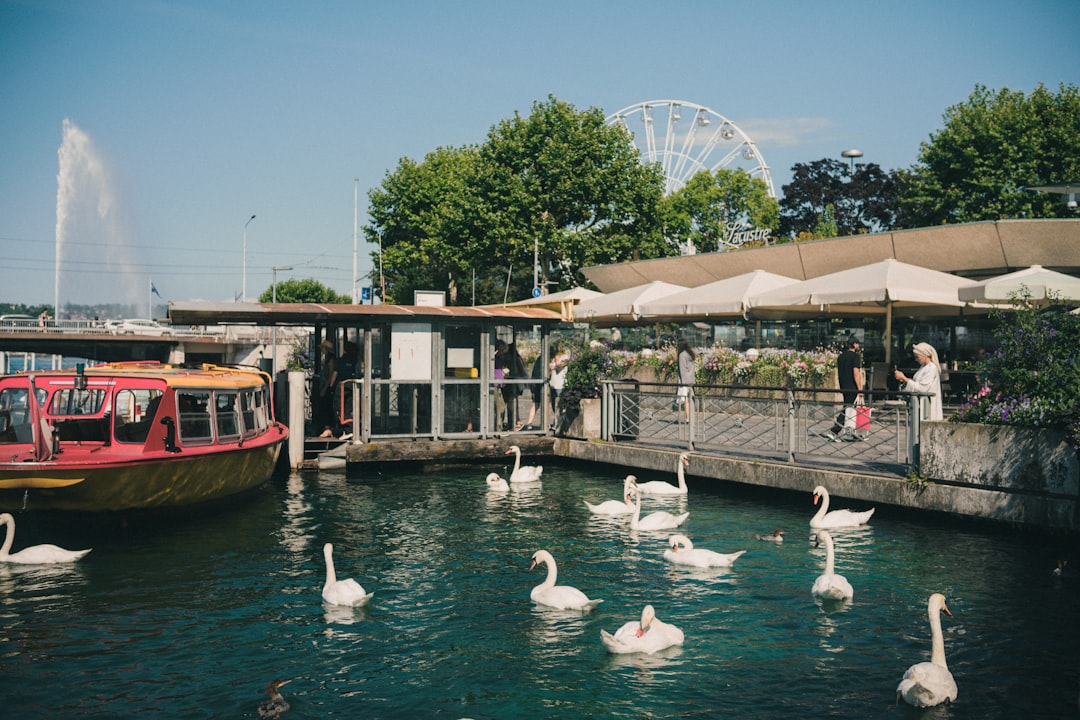
On the shores of Lake Geneva, swans embody both the grace of nature and the rich cultural memory of the region. Between popular stories, artistic representations and current conservation concerns, the king bird of the lake brings together tourists, photographers and residents.
This article traces the history of swans in Lake Geneva, deciphers their symbols and guides you to the best observation sites, while giving practical advice for approaching them without harming their well-being.
History of the swans on Lake Geneva
The mute swan (Cygnus olor), present on many European bodies of water, has been established naturally around Lake Geneva for centuries. Local archives and old engravings already show the presence of white birds on the banks, often associated with stately estates and aristocratic walks.
If the species is native, the relationship between man and the swan has evolved: from utilitarian coexistence to romantic admiration. To learn more about the biology and behavior of swans, National Geographic offers reliable, illustrated resources that you can consult here: National Geographic - Swan. For the geographical and historical context of Lake Geneva, see also the lake file: Wikipedia - Lake Geneva.
Symbolic and culture
The swan carries a strong symbolic charge: purity, marital fidelity (swan couples are often monogamous) and transformation. These themes run through literature, painting and music — thought of immediately by many, Tchaikovsky's famous “Swan Lake” evokes the fragile grace and mystery that surrounds these birds.
Locally, the swan is also a source of pride for the riverside towns; it appears on postcards, souvenirs and works of art. Its presence on Lake Geneva nourishes popular stories, romantic walks and cultural events around the lake.
Where to watch swans on the Swiss Riviera
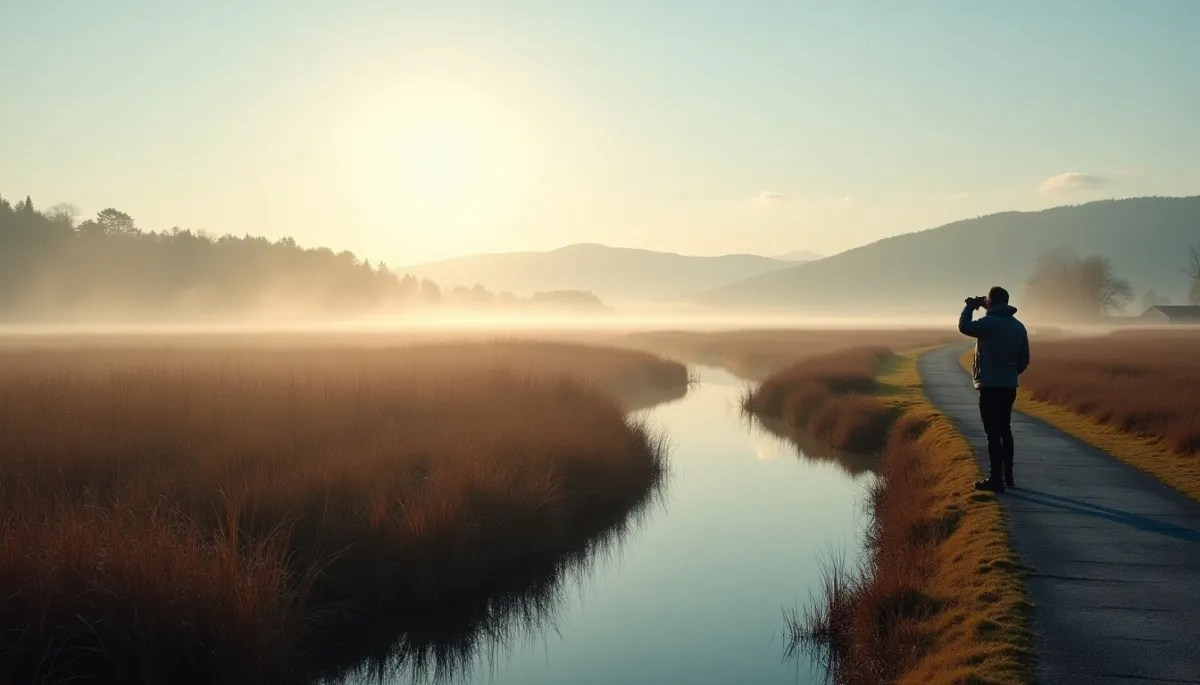
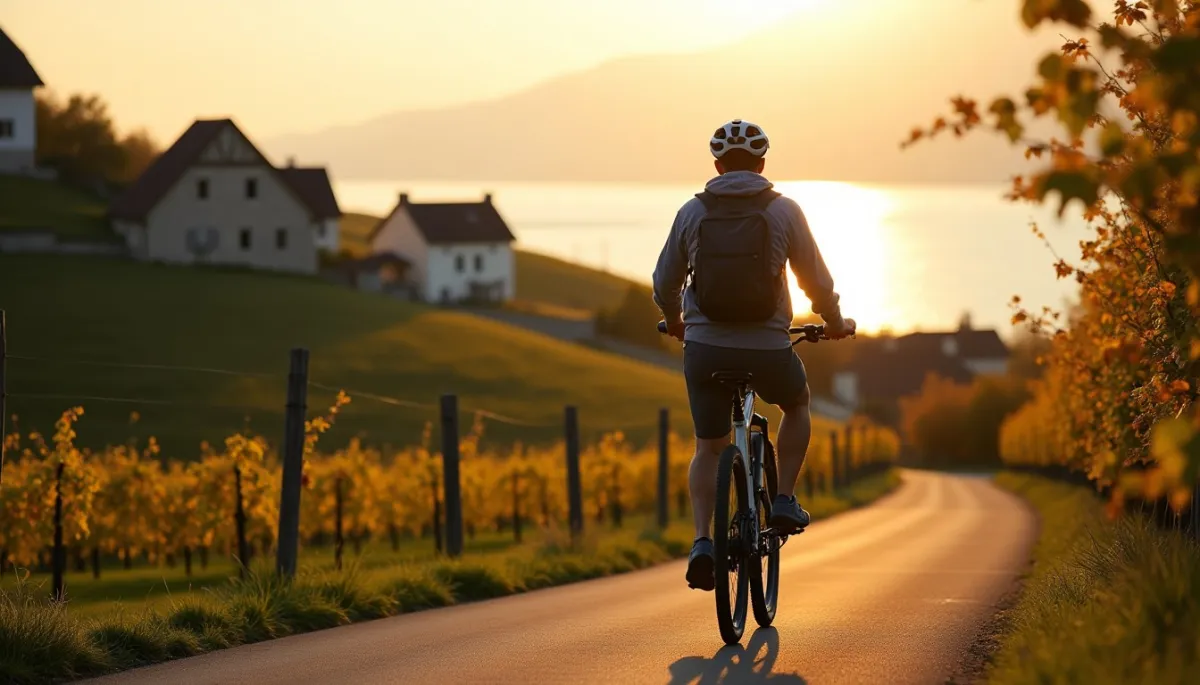
Waterside walks, urban parks and quays remain the best observation points. At dawn or late afternoon, the soft light magnifies their plumage and their ballet on the water, ideal for amateur and professional photographers.
Among the recommended places: the quays of Geneva, the promenades of Montreux and Vevey, and the small, less frequented coves which offer calm and proximity. Remember that the presence of calm water, vegetated areas and protected spaces encourages swan gatherings.
Conservation and good practices
Swans are protected by wildlife legislation in Switzerland; it is essential to respect their habitat. Feeding by the public, especially with bread, seriously harms their health and the ecological balance of the lake — prefer to observe without intervening.
If you discover an injured or distressed bird, contact local authorities or wildlife protection associations. The responsible approach includes respecting distances, using long lenses for photography and limiting noise so as not to disturb the birds.
Photography, ethics and experiences to live
To capture the “ballet” of the swans, favor the golden hours (sunrise and sunset) and take care of the composition: reflections, shore lines and interaction between birds create poetic images. A telephoto or zoom lens is often preferable so as not to get too close.
Beyond the photo, take the time to listen: the lapping of the water, the breathing of the birds and the small gestures of the swan families offer a living spectacle that nourishes the soul of the visitor. Participating in a guided naturalist tour can enrich the experience and teach you to recognize behaviors and seasons.
Thanks for reading, and don't forget, Enjoy Life Moments!