Villa Diodati: the stormy night Mary Shelley gave birth to Frankenstein
🚀 Key Takeaways
- Concept key : The idea of Frankenstein emerged during the summer of 1816 at Villa Diodati, Cologny, near Geneva.
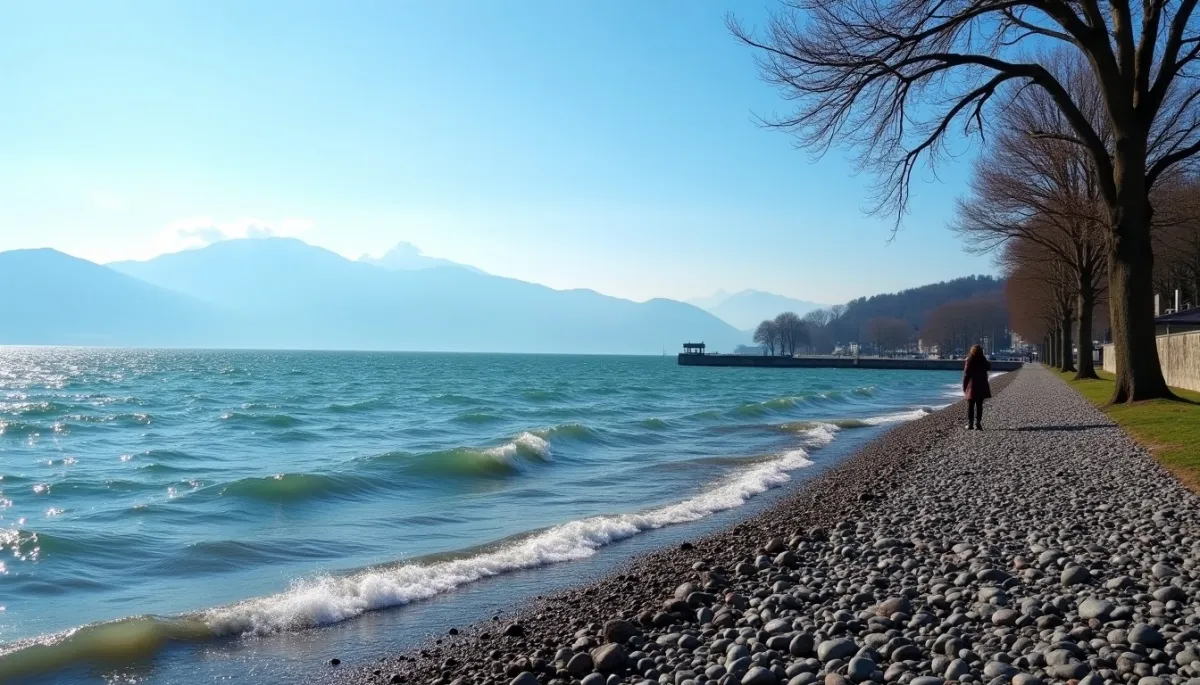
- Practical tip : Visit the plaque on the villa and walk the lakeside to feel the same weather-beaten atmosphere.
- Did you know : The "Year Without a Summer" (1816) followed the 1815 eruption of Mount Tambora, which caused unusual storms and inspired gloomy creativity.
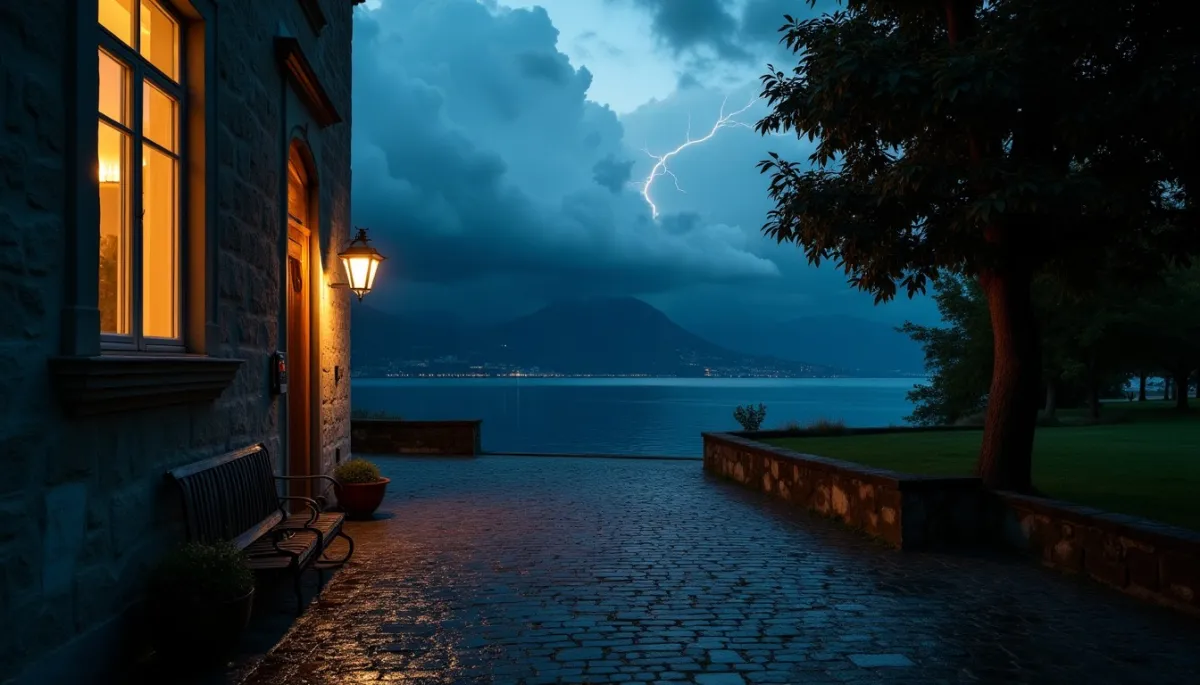
Lightning scratched the sky.
Imagine the villa's shutters rattling, candles guttering, and five restless guests gathered by the hearth. Outside, Lake Geneva boiled with reflected flashes; inside, conversations and wine mixed with poetry and dares. The scene is striking because it was ordinary in its intimacy and extraordinary in its consequences: a circle that included Lord Byron, Percy Bysshe Shelley, Mary Godwin (later Mary Shelley), and John Polidori, meeting in June 1816 at Villa Diodati in Cologny, just outside Geneva.
The night founded
It was the summer of 1816, famously bleak and cold. Contemporary journals and later accounts place the pivotal stay from May to August 1816, with the ghost-story challenge taking shape in June. Mary was 18, Percy Shelley 24, Byron 28, and the atmosphere was electric in more ways than one.
On June 16, according to Mary Shelley’s 1831 introduction to the 1831 edition of Frankenstein, a conversation about galvanism and the reanimation of dead matter set the intellectual stage. Byron suggested they each write supernatural tales. That evening, Mary had a waking dream: she saw ‘‘the pale student of unhallowed arts kneeling beside the thing he had put together.’’ She would later describe the vividness of that vision as the moment the idea arrived.
John Polidori’s presence is essential to the story. His short tale, eventually published as The Vampyre (1819), shares the same Geneva origins. The gathering at Villa Diodati thus produced two landmarks of Gothic fiction, within a handful of years.
Wind and ashes
The peculiar weather of 1816—sometimes called the "Year Without a Summer"—was a real meteorological factor. The 1815 eruption of Mount Tambora in Indonesia injected massive amounts of ash and sulfur into the atmosphere, cooling the Northern Hemisphere. Newspapers from the time report frost in June and crops failing across Europe.
At Villa Diodati, rain and storm shutters confined the guests indoors for days. Those conditions privileged long conversations, dramatic readings, and the invention of stories. The gloomy, febrile weather provided a stage where imaginations could run darker than usual.
Beyond climate, intellectual currents mattered. The Shelleys and Byron were part of a transnational Romantic circle fascinated by scientific experiments (galvanism), ancient myths, and radical politics. Frankenstein reflects this mix: a modern Prometheus of science, guilt, and exile. The novel, privately printed in 1818 and widely known thereafter, crystallizes anxieties about reason, industry, and parental responsibility.
Legacy alive
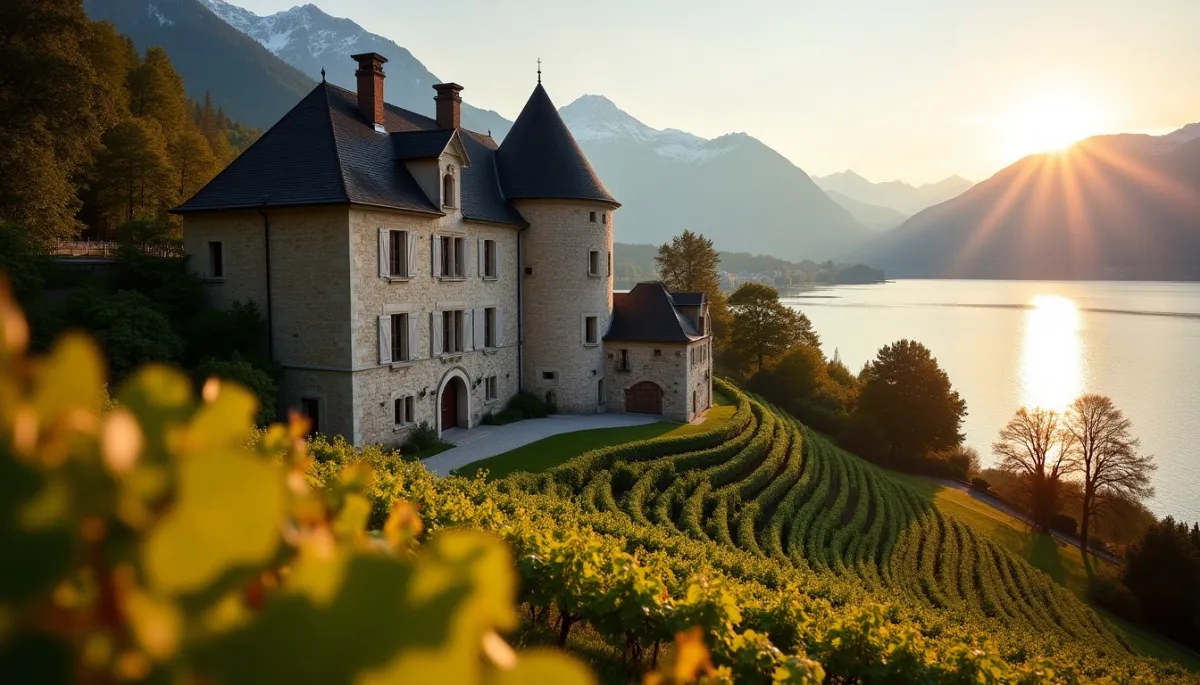
How do we read that night today? Villa Diodati has become pilgrimage for literature lovers visiting the Riviera suisse. The house still stands in Cologny, with a plaque recalling Byron and Shelley. Geneva’s tourist offices include literary walks that point out sites connected to the 1816 summer.
For visitors: approach with curiosity rather than expectation. The villa is privately owned, so the best experiences are the lakeside walks, the small museum exhibits in Geneva about the Romantic period, and a visit to the nearby Château de Chillon on the Lake Geneva shore for more historical atmosphere. Summer events in the canton often include lectures about the 1816 gathering.
Finally, the creative lesson endures. A stormy night, shared ideas, and restless minds produced a text that still asks uncomfortable questions: What is responsibility in creation? Who bears guilt for what we bring into the world? Those themes are why tourists, students, and writers still trace the footsteps to Villa Diodati, eager to stand where a dream became a monster and then a classic.
Thanks for reading, and don't forget, Enjoy Life Moments!