Montreux and jazz: how a small town became the world's music capital
🚀 Key Takeaways
- Key concept : Montreux Jazz Festival, founded in 1967, grew from jazz nights into a global music phenomenon.
- Practical tip : Visit in July for the festival, but explore the lakeside and studios off-season to avoid crowds.
- Did you know : The 1971 casino fire inspired Deep Purple's "Smoke on the Water"; Queen recorded here and Freddie Mercury is commemorated by a lakeside statue.
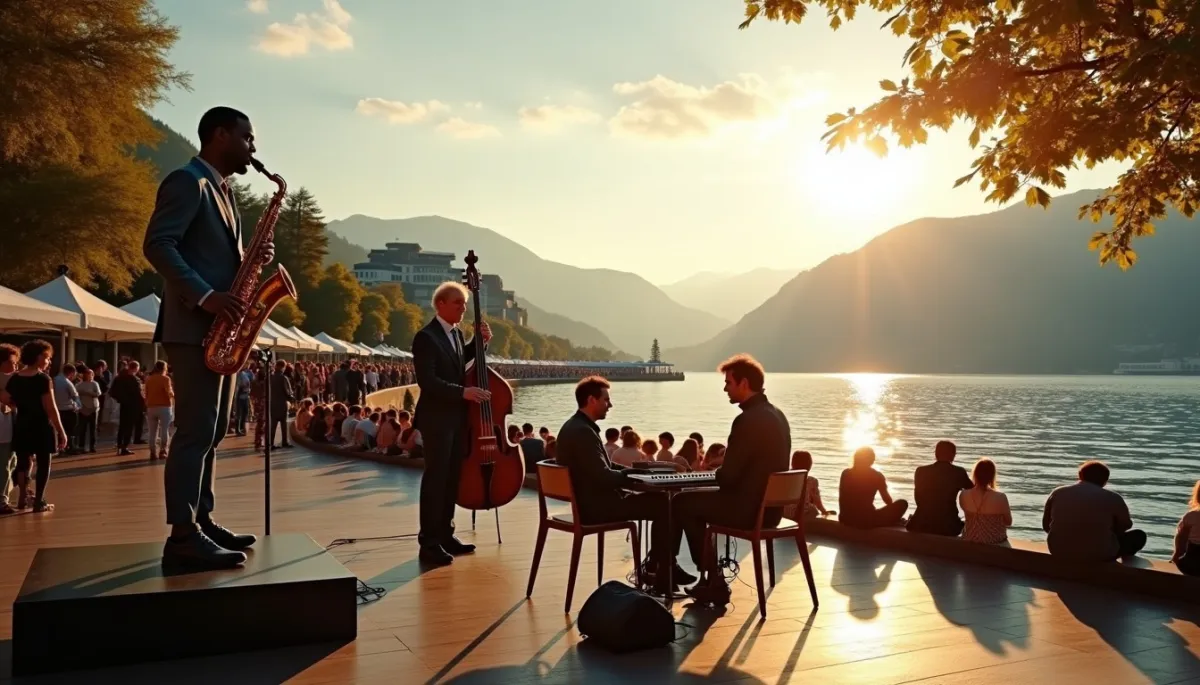
Imagine standing on the lakeside promenade as a trumpet cuts through the evening air. The sun drops behind the Alps, lights from the Casino and the Stravinski Auditorium blink to life, and a crowd of locals and travelers sway with a band on a temporary stage. Cups clink, conversations lower, and for a few minutes Montreux feels like the center of the musical universe.
That feeling is the consequence of decades of festivals, recordings and meetings. Today's Montreux is the result of concerts that brought jazz giants and contemporary stars to the same shoreline, turning everyday terraces and halls into places of pilgrimage for music lovers worldwide.
Un rivage qui chante: conséquences visibles sur la ville
The most visible consequence is the festival itself. What started in 1967 as a handful of jazz nights organized by Claude Nobs, Géo Voumard and René Langel has become an annual magnet attracting tens of thousands of visitors, dozens of stages and hundreds of artists across genres. The lakefront becomes a village of music each July.
Local businesses gained an identity. Hotels, restaurants, and music shops adapted to a clientele coming for concerts and studio visits. The Montreux Casino, the Stravinski Auditorium and the Montreux Music & Convention Centre (2m2c) now host international productions and exhibitions, drawing income and jobs to the region.
There are also cultural monuments born from these years. A bronze statue of Freddie Mercury watches the lake, Mountain Studios' legacy lives on in exhibitions, and plaques throughout the town mark rooms where legends once rehearsed. These traces make Montreux a living museum that visitors can walk through.
Pourquoi cela s'est produit: causes et rencontres décisives
First, geography helped. Montreux's mild lakeside microclimate, the beauty of the Alps and easy access by train from Geneva and Lausanne made it an attractive stop for touring artists. Musicians loved the waterfront views and the calm they offered between tours.
Personality mattered enormously. Claude Nobs, the festival's charismatic founder, had the conviviality and the network to invite stars of jazz and beyond. His openness to different styles allowed the festival to evolve without losing its artistic credibility.
Practical infrastructure followed. Studios and venues were created or repurposed, notably Mountain Studios where members of Queen recorded. The 1971 fire at the Casino, an event immortalized in Deep Purple's "Smoke on the Water", paradoxically catalyzed creative solutions and stronger production standards in town.
Entre admiration et défi: cependant, les contradictions et les enjeux
Success brings tensions. The festival's expansion beyond strict jazz has provoked debate: purists regret a drift toward pop and large-scale shows, while organizers argue that diversity sustains the event and attracts new audiences. Montreux has had to balance heritage and innovation.
Gentrification is another issue. As Montreux became internationally known, property prices and seasonal rents rose. Some long-time residents and small businesses face pressure, which pushes municipal authorities to think about policies that preserve local life.
Finally, the festival and the town confront environmental and logistical challenges. Sustainable programming, carbon reduction for touring artists and better crowd management are priorities. Hybrid concert formats and educational programs (workshops, masterclasses) attempt to extend the festival's reach while limiting its footprint.
Practical notes and secrets: arrive by train for the scenic route along the lake, book festival tickets and accommodation well in advance, and wander off the main venues to find intimate gigs in bars and churches. Visit the Freddie Mercury statue at dawn for a quieter experience, and inquire locally about studio exhibitions and occasional open rehearsals.
Montreux is both myth and real town. Its story shows how place, people and music can combine to produce a cultural capital that resonates far beyond its size. The lake keeps listening, and each summer the town writes another musical page.
Thanks for reading, and don't forget, Enjoy Life Moments!