The Oceanographic Museum of Monaco: grandiose architecture and protection of the oceans
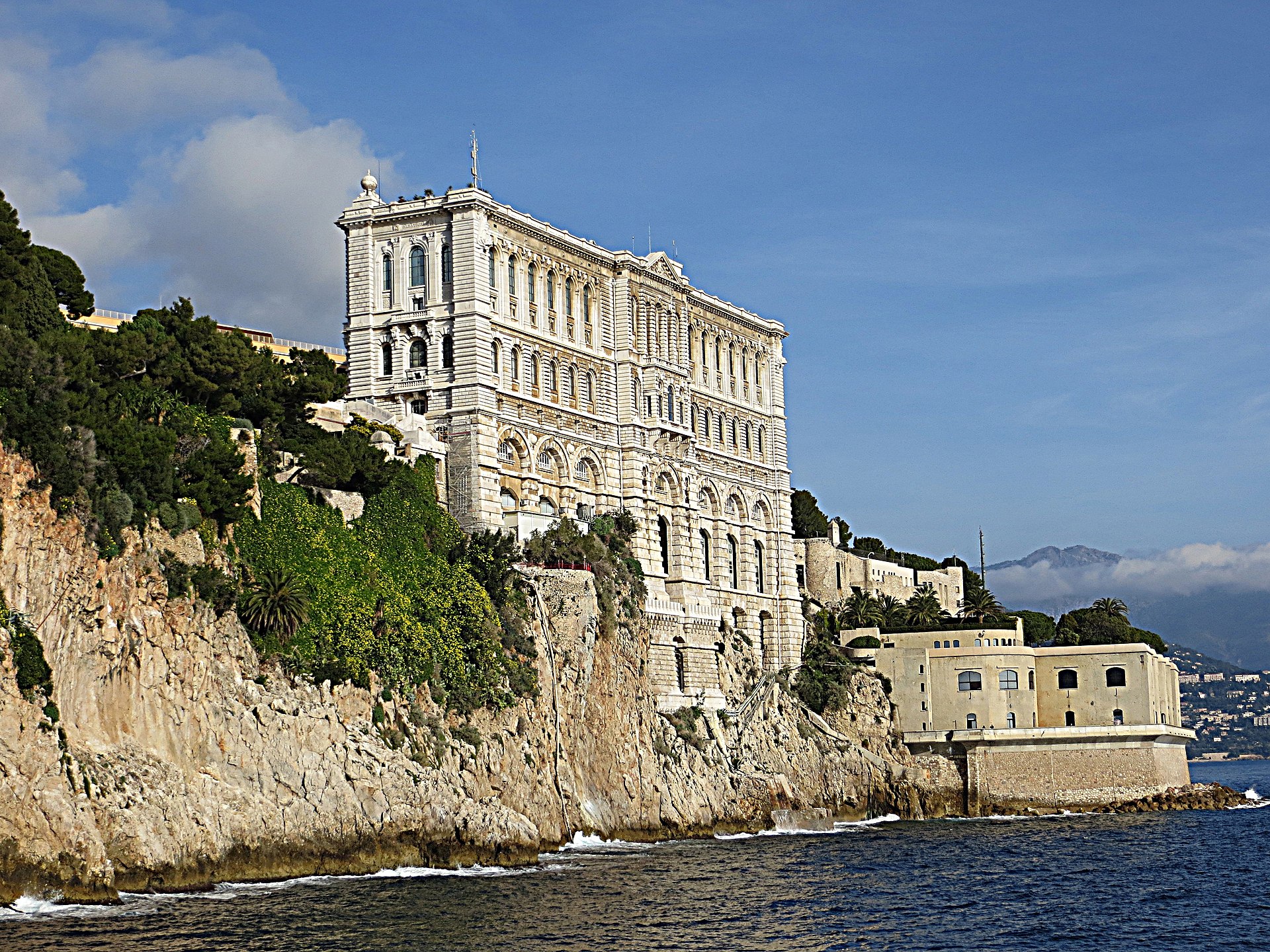
Perched above the Mediterranean since 1910, the Oceanographic Museum of Monaco is both a monument and a laboratory for the ocean. Its stone terraces and aquariums tell the story of more than a century of exploration and protection.
🚀 The essentials
- Key concept: A place where monumental architecture serves scientific awareness.
- Practical tip: Visit early in the morning, attend a distribution and combine the visit with a walk at the Prince's Palace.
- Did you know: Created by Prince Albert I, the museum has inspired generations of oceanographers and engaged visitors.
The white stone catches the light and the sea rustles below. Imagine yourself on the terrace, facing the horizon, while the facade rises proudly above the void.
stone and sea
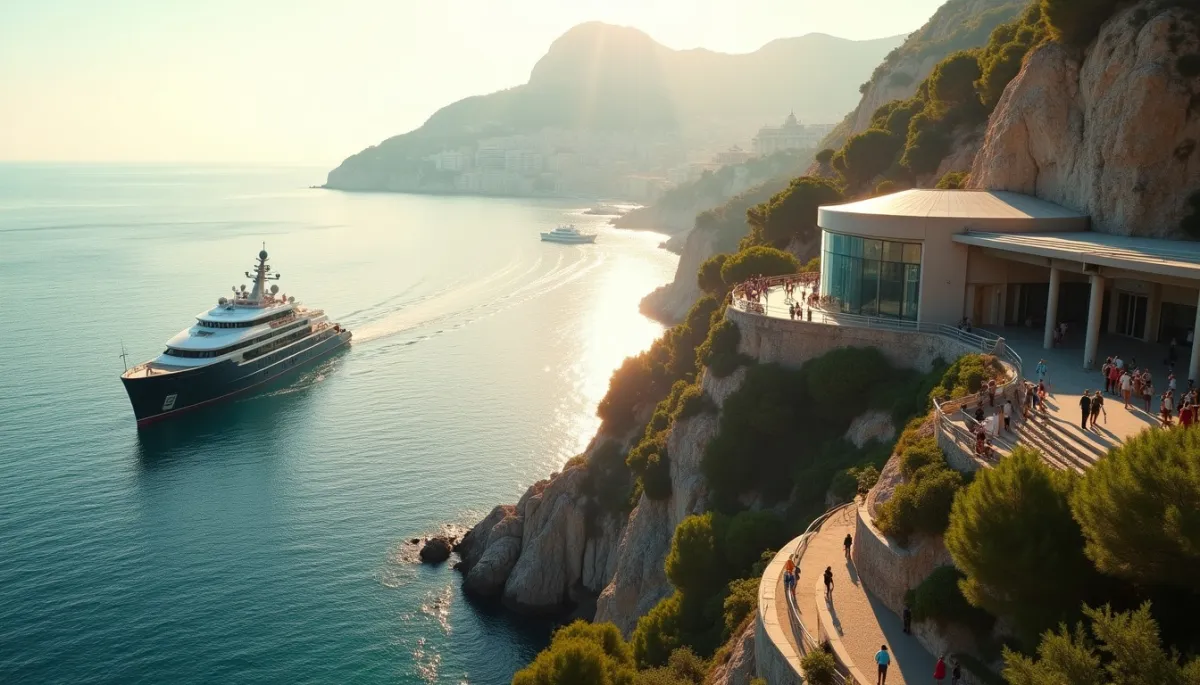
The museum gives the impression of a fortress of knowledge. Buried in the cliff of Monaco-Ville, its profile has dominated the coastline since the beginning of the 20th century. The alleys which lead to it suddenly reveal a vast facade, a large staircase and terraces suspended above the Mediterranean.
The initiative goes to Prince Albert I, navigator and scientist, who financed several oceanographic campaigns at the end of the 19th century and the beginning of the 20th. Inaugurated in 1910, the museum quickly became a landmark, as much for its audacious location as for its educational vocation.
Inside, historic staircases, cabinets of curiosities and contemporary aquariums coexist. The route leads from rocks and fossils to the Mediterranean basins, then to tropical spaces and temporary exhibitions devoted to current issues such as plastic pollution or loss of biodiversity.
voice from the depths
The museum is not just a monumental setting. He plays an active role in science education. For decades, it has hosted researchers, school programs and awareness campaigns that transform complex issues into stories accessible to the general public.
The environmental commitment of Prince Albert II, via his foundation created in 2006, has reinforced this dimension. The foundation supports scientific projects on climate change, ocean acidification and species conservation, often linked to the museum's missions.
Concretely, there are workshops for children on microplastics, participatory science projects inviting divers to report species, and exhibitions highlighting recent research. The objective is clear: transform emotion into concrete actions for the sea.
past and future
History has shaped the building and its mission. The museum has survived wars, scientific developments and several restorations while retaining its initial spirit: observing, collecting, teaching. Historical photographs in the corridors recall pioneering expeditions from the turn of the century.
At the same time, the institution is modernizing. Interactive devices, improved filtration systems and new animal welfare policies have been introduced. These adaptations meet contemporary demands for conservation and scientific transparency.
Contradictions persist, however. Reconciling the preservation of architectural heritage with the technical needs of living installations remains complex. Additionally, such an iconic site attracts many visitors, which poses logistical and environmental challenges. The museum is testing timed tickets, flow management and digital content to preserve the quality of the visit.
practical currents
Opt for a morning visit to enjoy soft light and quieter terraces. Consult the museum website for feeding and conference schedules. Guided tours and multisensory activities are particularly useful for families and curious people who want scientific insight.
Combine the visit with a walk in Monaco-Ville: the Prince's Palace, the cathedral and the picturesque streets are just a stone's throw away. To go further, find out about neighboring conservation projects or Prince Albert II Foundation events, often open to the public or volunteers.
Finally, a simple gesture helps the sea: reduce single-use plastics, respect protected areas when swimming or sailing, and support local species monitoring initiatives. Multiplied, these small actions have a real impact.
Thanks for reading, and remember, Enjoy life's moments!