Mediterranean diet: longevity secrets hidden in hinterland markets
🚀 Key Takeaways
- Key concept : The Mediterranean diet is less a menu and more a way of life rooted in seasonal, local produce.
- Practical tip : At hinterland markets like Vence or Valbonne, choose oil with a recent harvest date and buy fresh legumes from the producer.
- Did you know : UNESCO inscribed the Mediterranean diet as Intangible Cultural Heritage in 2010, and trials such as PREDIMED (2013) showed large health benefits.
The air is warm and peppered with basil. In front of me, an old vendor wraps two bunches of wild greens in newspaper.
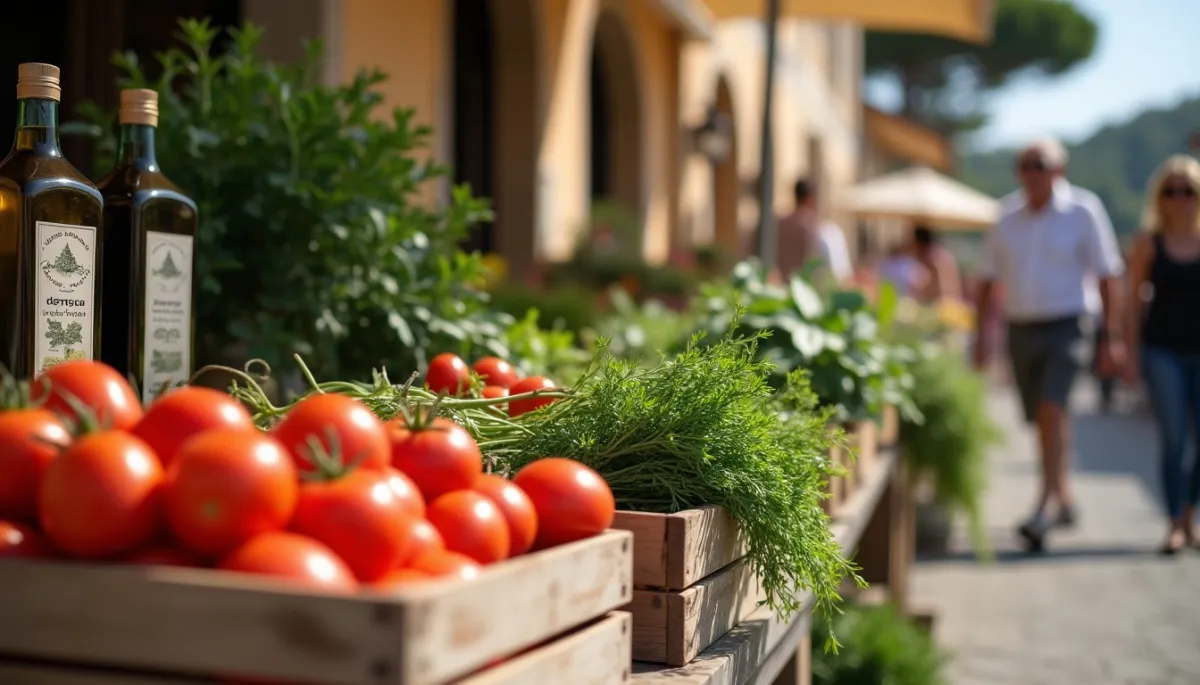
On a Tuesday morning at the marché de Vence, stalls line the square and the conversation is as important as the food. Producers from nearby villages arrive before dawn with crates of table tomatoes, fennel, jars of huile d'olive labelled with the year of harvest, and sacks of chickpeas. You hear stories about a dry spring that reduced the almond crop, jokes about the price of gas, and precise advice on when to eat figs for digestive ease. The market is a living classroom where knowledge about seasonality, preservation and simple recipes passes from hand to hand.
Marchés vivants
The markets of the hinterland are more than commerce. They are meeting points where culinary memory is conserved. Valbonne, Vence, Grasse and Saint-Paul-de-Vence host weekly marchés where small producers bring goods that do not travel well to industrial supply chains.
These markets highlight foods central to the Mediterranean diet: olive oil, legumes, seasonal vegetables, nuts, citrus and small oily fish like sardines and anchovies. In the Alpes-Maritimes, goat cheeses, wild greens (known locally as "herbes de la garrigue") and freshly baked socca from Nice also appear on many stalls.
Beyond products, markets transmit techniques. You can learn how to taste an olive oil, how to preserve tomatoes the old way, and how to dry herbs for winter. Interviews with producers often reveal family recipes. Many vendors are multi-generation farmers who sell what remained in their gardens, and their knowledge shapes everyday eating habits.
Racines anciennes
Why does this matter now? Scientific evidence connects the Mediterranean dietary pattern with longevity and reduced chronic disease. In 2010 UNESCO recognized the Mediterranean diet as Intangible Cultural Heritage. More recently, the PREDIMED randomized trial, published in 2013 in the New England Journal of Medicine, found that a Mediterranean diet supplemented with extra-virgin olive oil or nuts reduced major cardiovascular events by roughly 30 percent among high-risk adults.
Other studies and meta-analyses link this diet to lower incidence of type 2 diabetes, better cognitive aging, and reduced mortality. The core elements are simple: abundant vegetables and fruits, legumes and whole grains, healthy fats from olive oil and nuts, moderate fish and dairy, limited red meat and sweets, and social meals. The hinterland markets provide the raw materials and the social setting that make these habits natural.
Historically, the diet evolved in regions where olive trees, grapevines and small-scale mixed farming dominated. On the Riviera, trade with Liguria and Provence shaped local recipes, while seasons dictated preservation methods. Jars of confit and tins of anchovies, for example, are techniques born of necessity that later became culinary assets.
Choix modernes
Yet the tradition faces modern tensions. Globalized supply chains and supermarket convenience have made processed foods widely available. Younger generations, time-pressed, may rely on quick meals that drift away from the market rhythm. At the same time, tourism creates demand for trendy local products, sometimes increasing prices and changing production priorities.
There are signs of positive adaptation. Since the 2000s, a renewed interest in slow food and terroir has boosted local cooperatives and farm-to-table restaurants in Nice and surrounding towns. Some municipalities support weekly markets and label local producers to protect authenticity. In 2022, several Alpes-Maritimes producers joined to create a shared label promoting recently harvested olive oils, making it easier for consumers to choose quality.
Practical strategies can help keep the diet alive. Buy small quantities of fresh produce and preserve seasonally: confit, pickles, and drying herbs extend the harvest. Prioritize extra-virgin olive oil with a harvest date, ask producers when fish was caught, and choose whole legumes and grains. Lastly, bring back the social meal; eating together, slowly, on a terrace or at a market café, is part of the longevity prescription.
Markets here do not sell a miracle. They sell context, knowledge and fresh ingredients. Those elements, combined with physical activity from walking hilly villages and close social ties, form a powerful recipe for healthy aging. Next time you visit the hinterland, listen to the vendors. They will tell you when the olives were pressed and how to make a winter stew that will keep you warm for months and possibly years.
Thanks for reading, and don't forget, Enjoy Life Moments!