Living in a winemaker's castle: restoring the great historic estates of La Côte
🚀 Key Takeaways
- Key concept : Historic wine estates in La Côte combine residence and vineyard restoration for living heritage.
- Practical tip : Look into cantonal heritage grants and the La Côte AOC for vineyard reconversion.
- Did you know : Chasselas is the emblematic grape of Vaud, often grown around these restored châteaux.
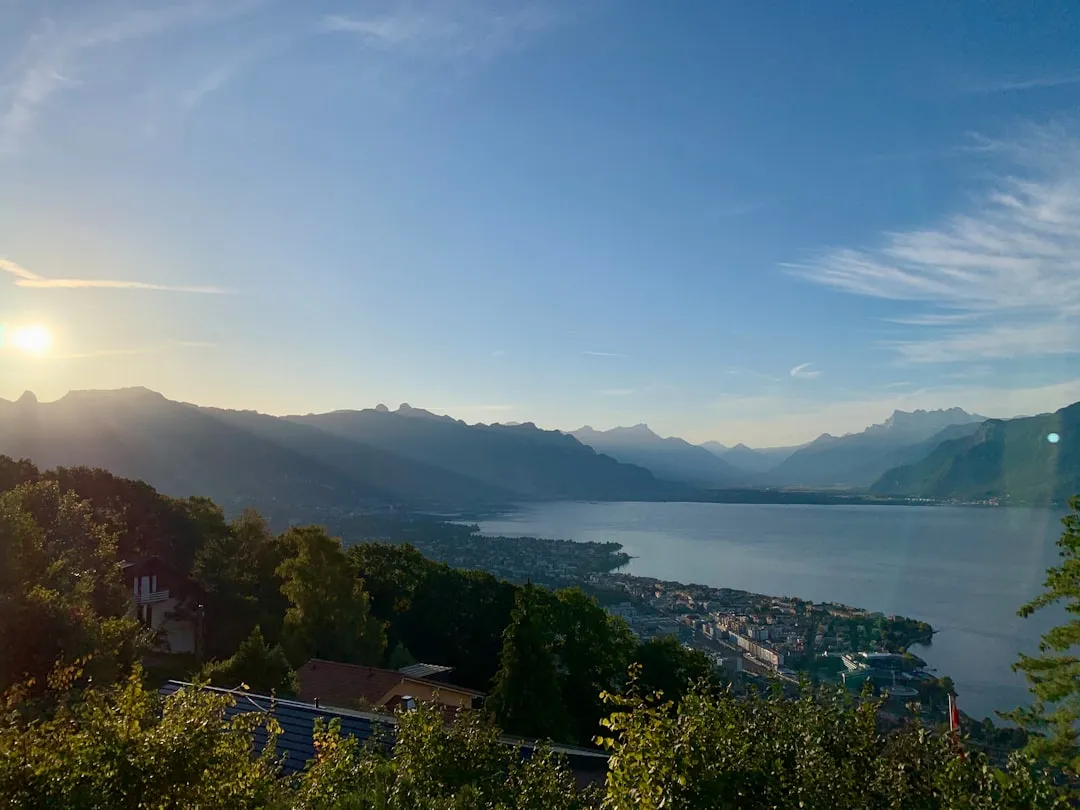
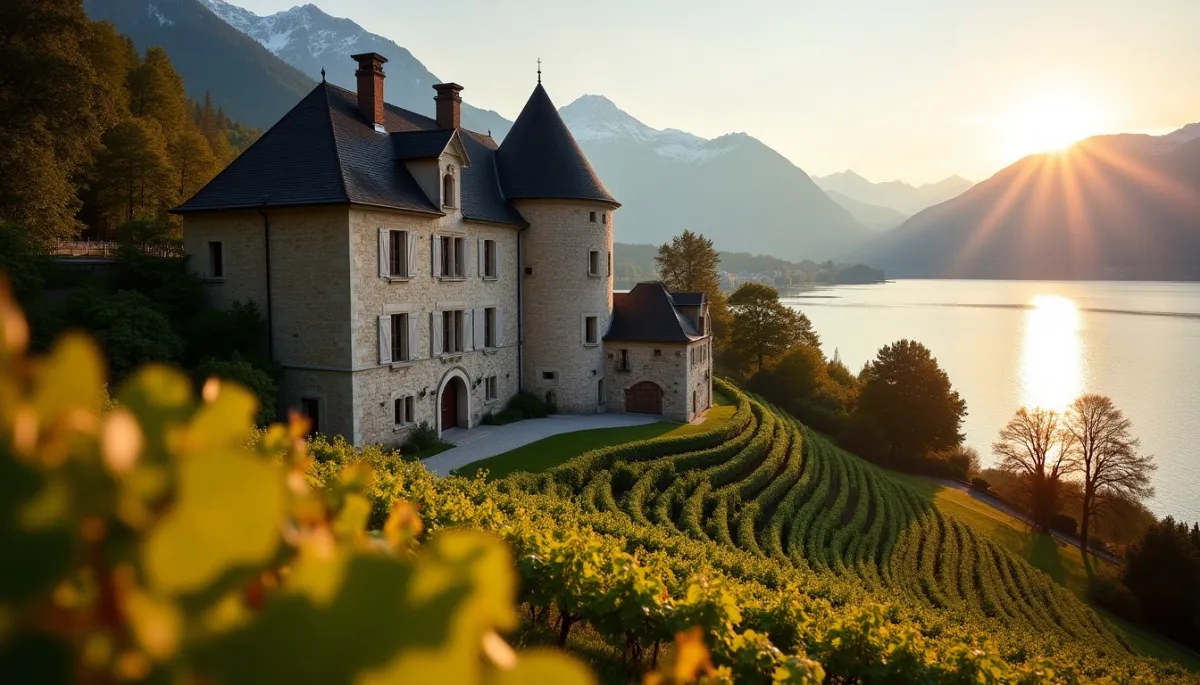
The light on the lake turns the roofs to copper. Imagine walking from a century-old tasting cellar into a kitchen opened onto terraced vines, with the Alps beyond.
Sur la terrasse
La tendance est visible. Along La Côte, between Nyon and Lausanne, a number of large manor houses once tied to winemaking are being restored and reused. Some become private family homes, others are reconverted into hospitality sites or cultural venues.
These estates, often set on slopes with south-facing exposures, include architectural elements from the Middle Ages, the 17th and 18th centuries, and later neoclassical touches. You can recognise a château vigneron by its vaulted cellars, oak cuves, and a façade that still bears traces of agricultural life.
Restoration projects usually address both the building envelope and the vineyard plots. The result is visible today: improved terraces, modern drainage, reused stone and renewed vine stocks producing bottles labelled La Côte AOC.
Patrimoine vivant
Pourquoi ce regain d'intérêt? First, there is a cultural awakening. Municipalities and the Canton of Vaud recognise that these properties are not frozen relics, but living assets. The Musée national suisse at Prangins, housed in a lakeside château, is a successful example of how an estate can combine exhibition, research and public life while protecting its fabric.
Second, economic logic plays a role. High-end buyers seek authenticity, and a château with a small domaine offers both prestige and income through premium wine or events. Real estate listings on the Riviera now often include cellars with original presses and documentation on historic terroirs.
Third, technical advances make ambitious restorations feasible. Climate control for cellars, reversible insulation techniques, and wood or stone repair methods allow conservationists and architects to meet modern standards without erasing historical character.
Vines & houses
Living in a château vigneron means thinking in layers. There is the house, with its reception rooms and living quarters, then the working level: cellars, vats, and often a small bottling line. Finally, the land: parcels sometimes fragmented across slopes and neighbouring communes.
Viticulture in La Côte centres on Chasselas for white wines and Pinot Noir for reds. Restorers often replant old terraces with rootstocks adapted to changing climate conditions. Some château owners collaborate with local oenologists to relaunch historic cuvées, reviving labels dormant since the mid-20th century.
Municipal archives frequently reveal surprising histories. In one case, a manor near Rolle was shown to have produced wine for Geneva markets in the 18th century, with invoices preserved in family papers. Those narratives strengthen grant applications and enhance the storytelling that sells a restored estate.
Les règles du jeu
Restoration is attractive, but complex. Heritage protection rules apply at cantonal and municipal levels. In practice, this means facades, rooflines and key interiors are often subject to approval. Owners must work with cantonal conservators and architects experienced in historic fabric.
Funding is mixed. Cantonal subsidies, federal heritage funds, and private investment can be combined. In many projects, owners also finance modern systems that remain invisible, such as seismic reinforcement, low-profile insulation, and upgraded sanitation.
Practical advice: before buying, request the building dossier, check whether the property is listed in the cantonal inventory, and meet the engineer who will sign off on structural works. Conservation-friendly materials and reversible interventions will ease future permits.
Contrastes à l'œuvre
There are tensions. Purists argue against too much modernisation, while new owners demand comfort. The dialogue is not always easy. A successful restoration balances original elements like stone staircases with contemporary kitchens and bathrooms, connected discreetly to maintain authenticity.
Another contrast involves land use. Urban pressure near Lausanne increases the value of lakefront plots. Local authorities must reconcile housing demand with the protection of viticultural heritage. In some communes, zoning changes now favour the retention of vineyards alongside sensitive development.
Finally, climate change forces choices. Warmer vintages bring new opportunities, but also the need for erosion control and sun-protecting canopy management. Château owners on La Côte are learning to blend tradition with adaptive viticulture.
Restoring and living in a château vigneron is a commitment. It is a way to inhabit history and to keep a terroir alive, bottle by bottle, room by room. For those who take it on, the reward is daily life steeped in landscape, craftsmanship and story.
Thanks for reading, and don't forget, Enjoy Life Moments!