Protecting Lake Geneva: Ecological challenges to preserve aquatic biodiversity
🚀 Key Takeaways
- Key concept : Lake Geneva's biodiversity is shaped by temperature, nutrient inputs and invasive species.
- Practical tip : Reduce runoff, prefer native plants on your shore, join local clean-ups.
- Did you know : The lake's clear waters recovered after 1970s sewage upgrades, showing that collective action works.
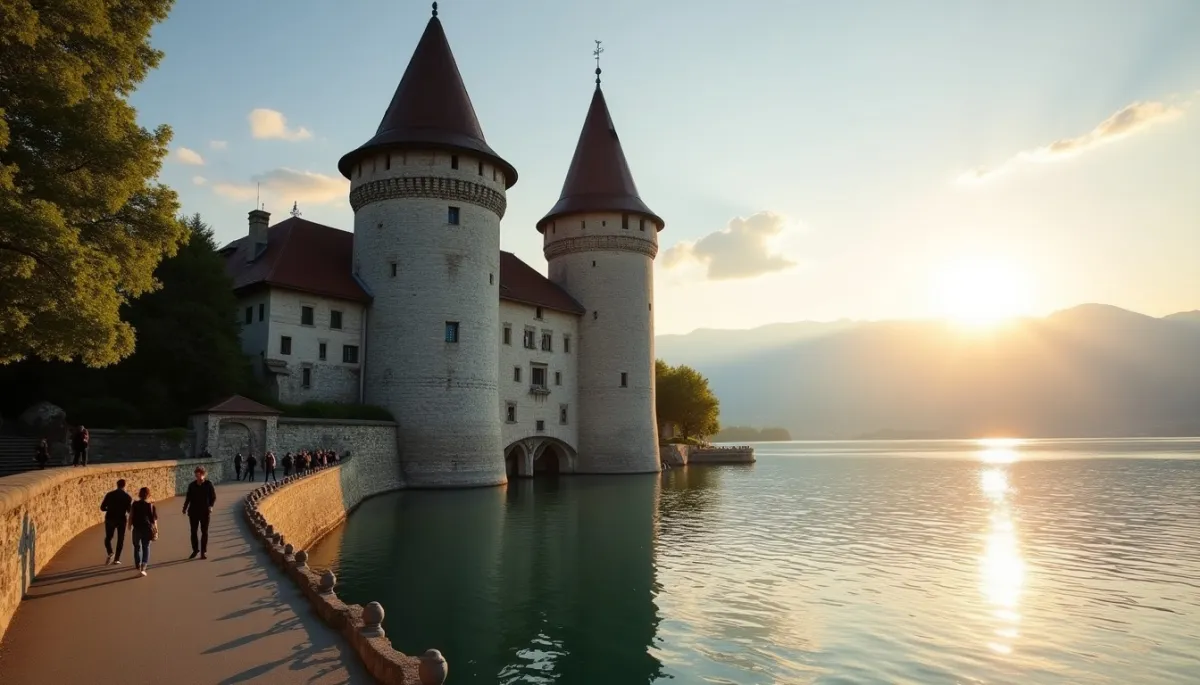
A stillness that speaks of centuries. Walk along the Quai d'Ouchy at dawn and the lake seems to hold all of Geneva's memories, from Rousseau's promenades to modern morning rowers.
Shifts in the water
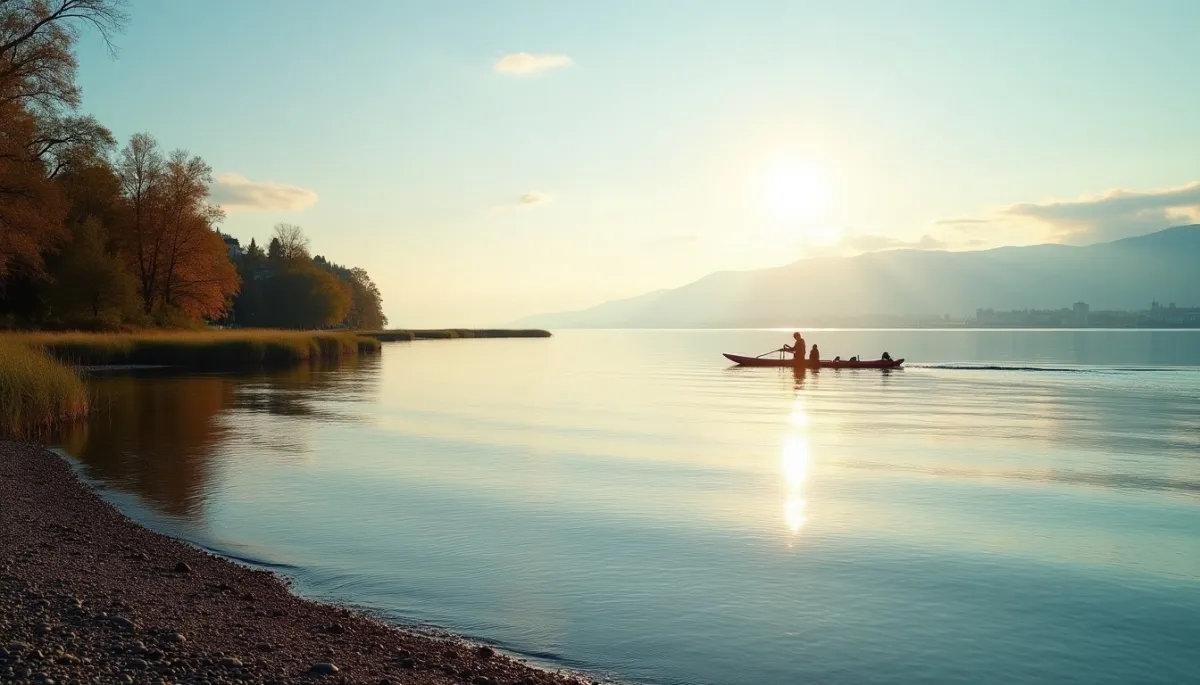
Lake Geneva, or Léman, covers about 580 square kilometers and reaches depths over 300 meters. Its large volume has historically buffered seasonal changes, but recent trends are changing the rules of the game.
Surface water temperatures have risen measurably since the 1980s, altering oxygen levels and the seasonal cycles of plankton, the microscopic base of the food web. Warmer water favors some species and stresses others, notably cold-adapted fish such as certain whitefish and char.
Nutrient dynamics remain a persistent issue. While phosphorus inputs fell dramatically after major wastewater treatment improvements in the 1970s and 1980s, localized eutrophication still occurs near urban and agricultural runoff zones, leading to algal blooms that reduce water quality and biodiversity locally.
Origins and drivers
Climate warming is the broadest driver. Summers have become warmer and longer, increasing stratification, a process when surface waters warm and stay separate from deeper layers, limiting oxygen exchange. Stratification can create low-oxygen zones harmful to bottom-dwelling organisms.
Another concrete driver is invasive species. The zebra mussel (Dreissena polymorpha) and other newcomers have altered food chains and clogged monitoring equipment. These species often hitchhike on boats or equipment moved between lakes.
Land use intensification around the shorelines also matters. Impervious surfaces in expanding towns like Lausanne and Geneva increase stormwater runoff, carrying fine sediments, nutrients and pollutants into littoral zones where many juvenile fish and invertebrates live.
Tensions and trade-offs
Human uses and protection goals often collide. Hydropower, navigation and tourism support local economies, but they can alter habitats. Dredging or shoreline hardening, undertaken to protect infrastructure, reduce the reed beds and shallow habitats that serve as nurseries.
Policy coordination is complex because the lake is binational. Cross-border governance has improved; joint monitoring programs now exist, yet funding and priorities vary between cantons and French departments, creating occasional gaps in rapid response to new threats.
Still, there are encouraging developments. Citizen science programs and restoration projects, from replanting native reeds to creating fish-friendly shorelines, show measurable benefits. For example, local associations have documented rebounds in littoral invertebrate diversity after targeted habitat restoration carried out in the last decade.
Practical steps
Some actions are simple and effective. On a household level, reducing use of chemical lawn fertilizers, installing rain gardens to capture runoff, and avoiding phosphate detergents lessen nutrient loads entering the lake.
At the community level, protecting and restoring riparian vegetation helps trap sediments and provides shade that cools shallow waters. Shoreline management that favors gently sloping, vegetated banks supports spawning and juvenile growth for many fish species.
Engage with local groups. Organizations such as Pro Natura and municipal water quality programs run monitoring campaigns and clean-ups. Volunteering on a beach clean or participating in a macroinvertebrate survey not only helps but teaches you to read the lake's health.
Looking forward
Preserving Léman's biodiversity will require adaptive management, sustained funding and cross-border collaboration. Early warning systems for invasive species, coupled with rapid removal and stronger boat-cleaning protocols, will be decisive.
Research continues to refine strategies. Universities and agencies monitor temperature, oxygen and microplastic levels, producing yearly reports that inform policy. The lesson of the 1970s recovery remains: coordinated investment pays off.
Conserving Lake Geneva is both a scientific and civic project. It asks residents and visitors to change small habits and encourages leaders to prioritize integrated, long-term planning. The lake's future is not predetermined; it is written by choices we make today.
Thanks for reading, and don't forget, Enjoy Life Moments!