Charlie Chaplin in Vevey: why the icon spent his final years on the Swiss Riviera
🚀 Key Takeaways
- Core idea : Chaplin settled in Corsier-sur-Vevey in 1952 seeking refuge and creative calm.
- Practical tip : Combine Chaplin's World at the Manoir de Ban with a lakeside stroll and the Alimentarium museum.
- Did you know : The museum opened in 2016 in Chaplin's former home and recreates his studio and life scenes.
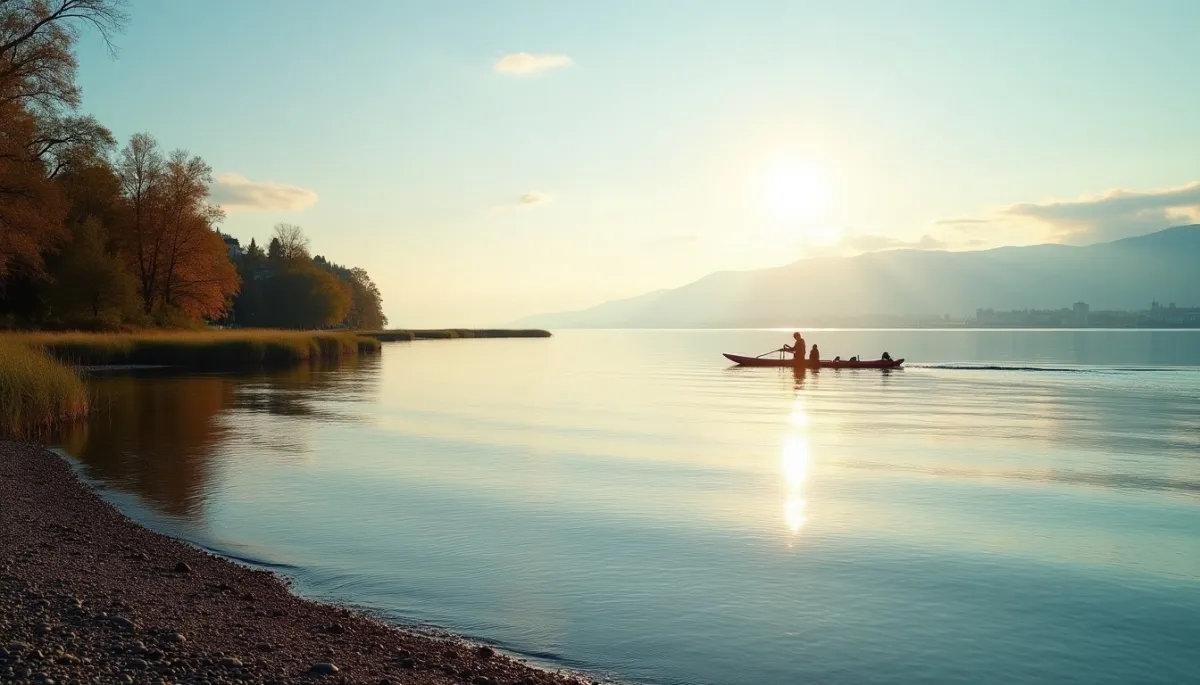
Light filters across the lake. You can almost hear the echo of Chaplin's cane tapping on the promenade.
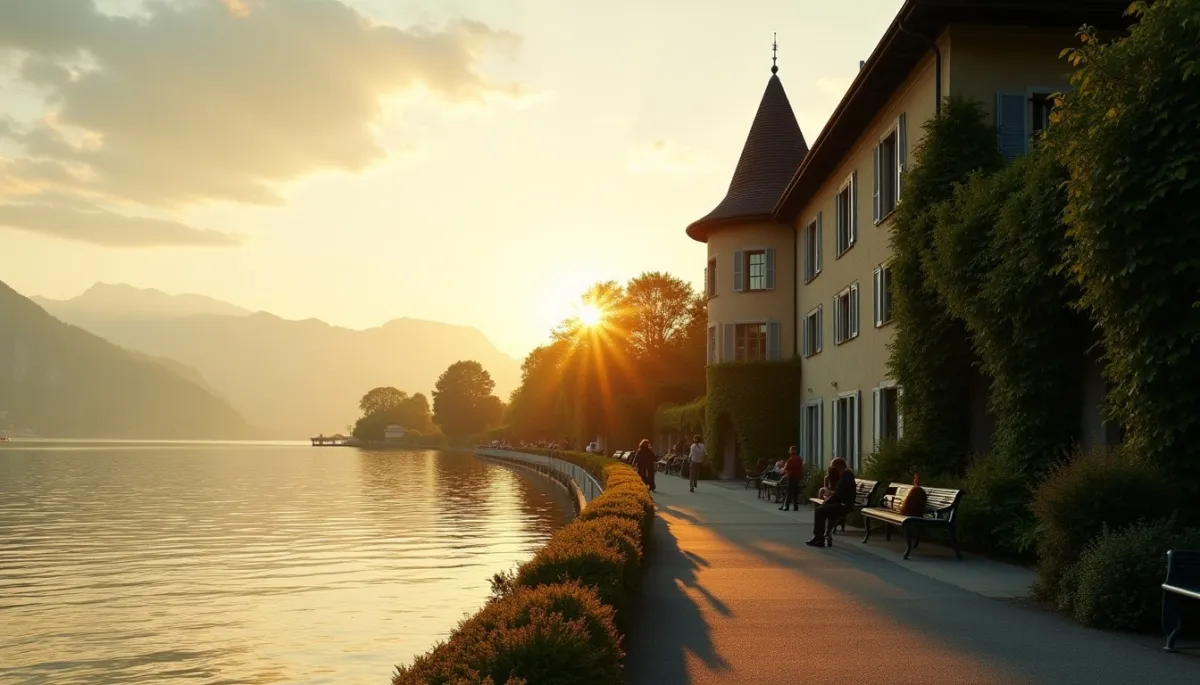
Imagine a small, ivy-clad manor overlooking the wide sheet of Lac Léman. In the morning mist, a solitary figure walks down a path toward Vevey, stopping to greet fishermen or admire a child's laughter. That figure, for a quarter of a century, was Charles Chaplin. Today the Manoir de Ban and the memories it holds draw visitors who want to feel the calm that once inspired one of cinema's greatest creators.
a refuge by the lake
After a controversial episode in the United States in 1952, when American authorities effectively barred him from returning, Chaplin chose to settle permanently in Switzerland. He purchased the Manoir de Ban in Corsier-sur-Vevey the same year. The house, with its terraces and views over the lake, offered privacy and distance from Hollywood's relentless spotlight.
Vevey and its surrounding hills have long been prized for their microclimate and mild, lake-moderated weather. For Chaplin, who valued routine and family life, the landscape provided long walks, quiet mornings and the space to work at his scripts and compositions. He lived there with his wife Oona and their children, integrating into local life while keeping a measured distance from publicity.
The timeline is clear: 1952, arrival and purchase of the manor. 1972, a dramatic return to the United States to receive an honorary Academy Award. 1977, his death in Corsier-sur-Vevey and his burial in the local cemetery. These dates anchor his Swiss chapter and explain how Vevey entered cinema history.
layers of culture
Chaplin's presence transformed the town in small, enduring ways. Locally, he was not only a movie star but a neighbor who supported community life. His house eventually became a place of memory and, in 2016, the site of Chaplin's World, an interactive museum created to present both the man and the myth.
The museum occupies the Manoir de Ban and an adjacent studio building. It combines wax figures, original objects, period sets and audiovisual archives to place visitors inside Chaplin's creative universe. The project was inaugurated in April 2016 and quickly became one of the Riviera's cultural highlights, attracting international visitors while feeding local pride.
Vevey itself offers complementary attractions: the Alimentarium (museum of food) founded in 1985, the lakeside promenade, and regular cultural events like the Fête des Vignerons, a traditional festival that keeps the region's rural heritage alive. Together, these sites create a cultural itinerary that makes a visit to Chaplin's world feel natural and locally rooted.
why the Riviera appealed
Beyond privacy, practical reasons pushed Chaplin to the Riviera. Switzerland offered political neutrality, stable living conditions, and easy access to European cultural centers. Geneva and Lausanne were within easy reach by train. For a family man accustomed to travel, the location struck a balance between seclusion and connectivity.
There was also a creative logic. The landscape, with its light and rhythms, lent itself to reflection and composition. Chaplin continued to write and supervise projects; the lake-side silence allowed the slow gestation of ideas that would have been harder in a frenetic film capital.
Finally, the community itself mattered. Chaplin found neighbors, local artisans and staff who cared for his household and respected his privacy. That social fabric, a common Swiss virtue, helped him age with dignity in a place that prized discretion.
nuances and memory
However, the story is not purely idyllic. Chaplin's arrival reflected a rupture with America, a moment of political exile and public controversy. His choice was a refuge, and a reinvention. Even in Switzerland, he could not escape global attention; his 1972 return to accept the Academy's tribute was a media event that proved his symbolic power remained intact.
Today, memory management raises questions. How do towns reconcile everyday life with tourist flows around a famous resident? Vevey has balanced heritage and hospitality by integrating Chaplin's legacy into cultural life without turning the town into a single-theme attraction. The Manoir de Ban museum works with local stakeholders to ensure sustainable tourism.
For visitors, the lesson is generous: Chaplin's Vevey is both a paused chapter of film history and a living landscape. Wander the promenade, visit Chaplin's World, then sit at a café and watch the same light that once helped shape cinematic gestures. The Riviera Suisse remains a place where art, nature and quiet coexist.
Thanks for reading, and don't forget, Enjoy Life Moments!