Beyond Gruyère: forgotten mountain cheeses of the Lémanic region
🚀 Key Takeaways
- Core concept : Alpine cheeses from the Lémanic region are often seasonal, artisanal, and tied to specific pastures (alpages).
- Practical tip : Visit from June to September and ask for a farm tour; pair with local Chasselas or Fendant.
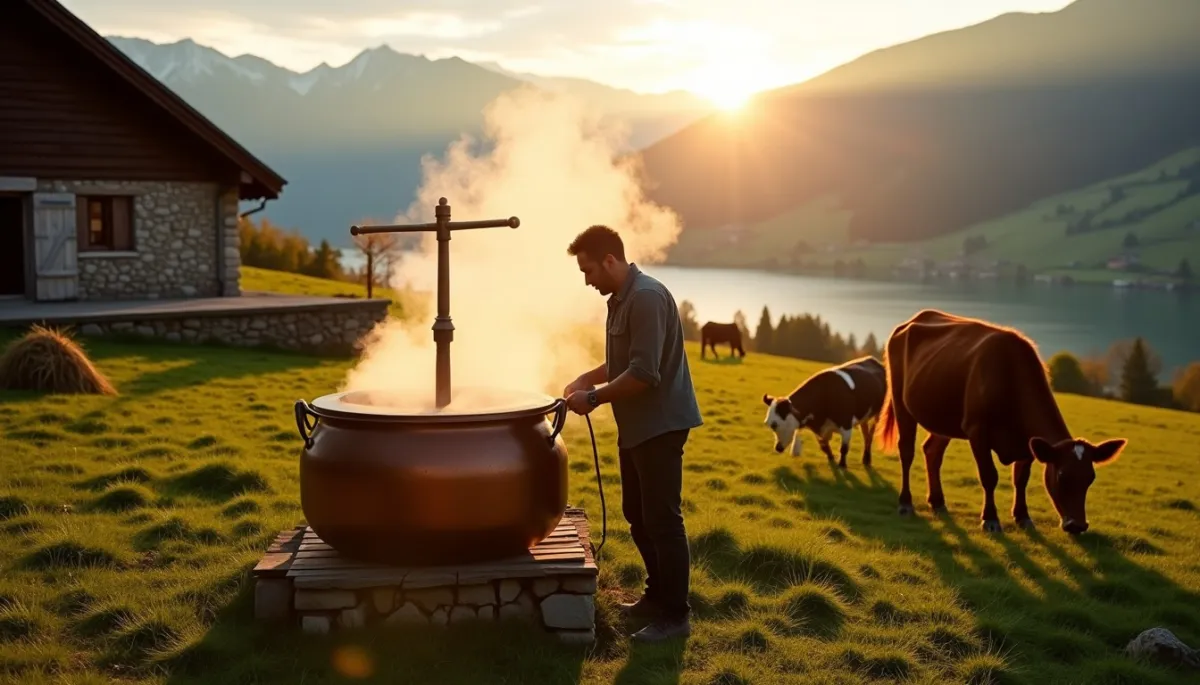
- Did you know : Etivaz, made in the Vaud Alps, is a historic alpine cheese produced over wood fires in copper cauldrons.
Imagine the smell of warm milk and hay on a high meadow.
On a misty morning above Les Diablerets, a young cheesemaker opens a wooden press while cows chew cud nearby, and steam curls from a copper cauldron. Below, the silhouette of Lake Geneva glitters; above, the stone huts (alpage chalets) hold the memory of generations who climbed with cows each summer to make cheese by hand.
slopes that whisper
The Lémanic region (the territories around Lake Geneva, including parts of Vaud, Valais and Geneva) is often synonym of vineyards and city promenades, yet it includes high pastures where alpine dairying endures. These are cheeses of altitude, produced during the summer grazing season when cows feed on diverse mountain flora. Production is therefore limited and seasonal, which explains part of their obscurity.
One emblematic example is Etivaz, made in the Vaud Alps. Produced in wooden chalets above 1,200 meters, using raw milk heated with wood fire in copper cauldrons, Etivaz carries the flavour of alpine herbs. Although better known than many neighbours thanks to protective labeling (AOP), it still represents only a handful of producers compared to industrial cheeses.
Other local varieties include small tommes, seasonal vacherins and farmhouse raclette faces from Valais villages. These tend to be made on individual farms or in micro-cooperatives, sold at weekly markets such as those in Aigle, Bex and Sion, or offered directly to hikers and tourists in summer refuges.
roots and seasons
The tradition of moving livestock to high pastures (transhumance) is centuries old in the Swiss Alps. Families left their valley farms in late spring and lived for months at altitude to transform milk into cheese. This practice shaped the taste, texture and identity of local cheeses, because the summer flora gives distinct aromatic notes.
In the 20th century, industrialisation and rural exodus led many alpages to close. From the 1950s to the 1980s, small-scale cheesemaking decreased as producers moved to valley dairies and standardized products. Nonetheless, since the 1990s there has been a revival driven by terroir interest, slow food movements and tourism looking for authentic experiences.
Local initiatives have helped. Producers' associations and agritourism projects now promote alpine visits, and some municipalities subsidize restoration of old chalets. Tourists who join a guided visit can witness the 24 to 48 hour process from milk to young cheese and buy a wheel that tastes of place and season.
tastes and tensions
The renewed interest is not without tensions. Artisanal producers face heavy regulation (health, labeling), fluctuating milk prices, and increasingly short summer seasons due to climate variations. A heat wave in 2018, followed by difficult summers, reminded cheesemakers that mountain agriculture is exposed and fragile.
At the same time, demand for authentic alpine products opens markets. High-end restaurants in Lausanne and Geneva sometimes feature these cheeses, and specialty shops in Montreux and Vevey source small batches for curious customers. The paradox is clear: rarity increases desirability, but also raises questions about equity and the survival of traditional practices.
Practical advice: to taste these cheeses, plan a trip between June and September, visit the markets of Bex on Wednesdays or Sion on Saturdays, or take the Diablerets cable car then follow local signs to summer chalets. Pair with a local Chasselas from Lavaux or a Fendant from Valais, and ask the producer about the summer flora that fed the herd (this detail explains much of the aroma).
Finally, leave room for conversation. A cheese wheel bought at an alpage comes with stories: dates of transhumance, the name of the cow, the height of the pasture. These details are the best way to understand why the Lémanic mountains still matter in the world of cheese.
Thanks for reading, and don't forget, Enjoy Life Moments!