Lavaux: walking the terraced vineyards between sky and lake
🚀 Key Takeaways
- Key concept : Lavaux is a UNESCO World Heritage vineyard landscape, a mosaic of terraces and villages.
- Practical tip : Walk sections from Cully to Rivaz, take the train for easy access, taste local Chasselas in a cave.
- Did you know : Viticulture here dates back to medieval monks, and the area was inscribed by UNESCO in 2007.
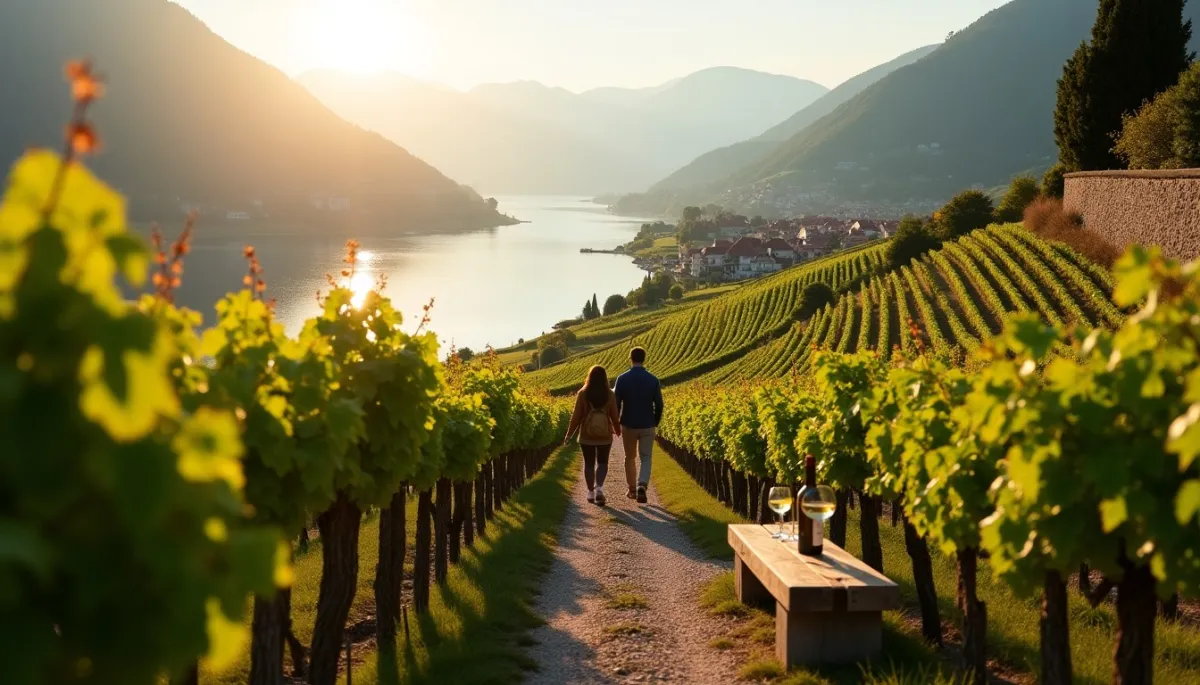
Light catches the lake like a mirror. Picture yourself on a narrow track, vines on one side, Lac Léman shimmering on the other.
Vineyards in the sky
Lavaux is a ribbon of vines clinging to the northern shore of Lake Geneva, a landscape of stone terraces that seems to hang between water and air. The site was inscribed on the UNESCO World Heritage List in 2007 in recognition of its centuries-old, human-shaped viticultural heritage.
From the villages of Lutry and Cully near Lausanne, east toward Rivaz and Chexbres, the terraces step down to the lake. The dominant grape is Chasselas, a white variety prized locally for its freshness and subtle minerality. Walking here is to witness a living mosaic, where each parcel, each "mur" (dry-stone wall), marks generations of careful work.
Lavaux today is both a working vineyard and a major walking destination. Seasonal events, like the Fête des Vignerons held in nearby Vevey in 2019, bring attention to the region and its traditions, while everyday visitors follow paths that offer viewpoints, tasting stops and quiet corners for a picnic with a view.
Hands and history
The terraces are not a natural accident. Monks from Benedictine and Cistercian orders began to shape the slopes from the 11th century, planting vines and building the low stone walls that retain soil and heat. These murgers are the skeleton of Lavaux, and they require ongoing maintenance, still done largely by local winemakers.
Through wars, phylloxera in the 19th century, and modern economic shifts, viticulture here adapted rather than disappeared. Small family domaines and cooperatives rebuilt vineyards, preserved varieties and developed cellar techniques suited to steep slopes. The result is a cultural landscape where farming methods and rural architecture complement the panoramic setting.
Practical facilities have followed. Visitor centers and wine shops in villages such as Rivaz or Cully explain the terroir, and museums in nearby Vevey, including Chaplin's association with the region, add layers of cultural interest. Trains linking Lausanne, Cully, Vevey and Puidoux-Chexbres make Lavaux accessible without a car.
Walk, taste, respect
There is no single trail that sums up Lavaux, but many routes invite exploration. Short loops last an hour or two; a full traverse can take most of a day. Local tourist offices map sections; the best walks balance viewpoints, cellar visits and time to stop at a vineyard table for a glass.
Timing matters. Spring brings wildflowers and the soft green of new shoots. Late summer and early autumn, from August to October, are the harvest season, a vivid time for colors and activity in the vines. To avoid crowds, aim for weekday mornings or late afternoons outside peak summer weekends.
Practical advice: wear sturdy shoes, carry water and a light jacket for winds off the lake. Respect private property and the work of vignerons, ask before entering a parcel, and if you visit a cellar, consider buying a bottle. Tasting local Chasselas, paired with regional cheese or a simple picnic, is the small ritual that completes the walk.
Thanks for reading, and don't forget, Enjoy Life Moments!