Artisanal chocolate: beyond clichés, the renewal of Swiss cacao
🚀 Key Takeaways
- Core concept : Bean-to-bar and single-origin transform Swiss chocolate.
- Practical tip : Visit ateliers in Vevey and Montreux to taste fresh bars and meet makers.
- Did you know : Cailler, founded in Vevey in 1819, anchors Switzerland’s long chocolate history.
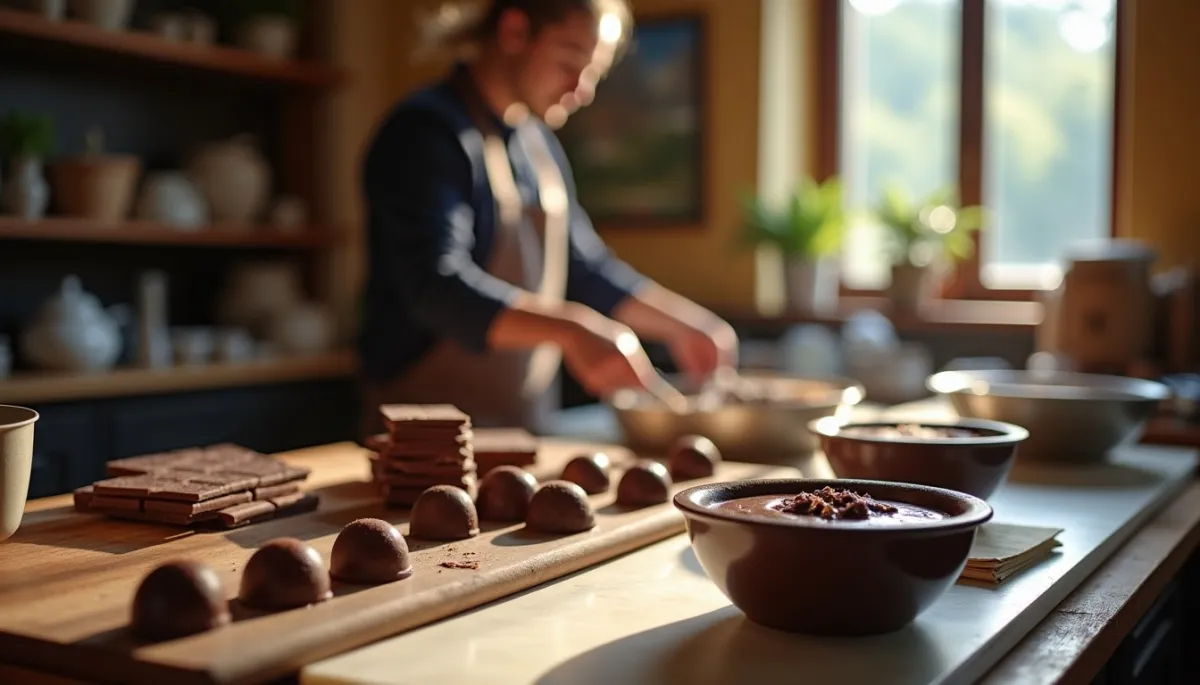
Close your eyes and smell warm cocoa, citrus peel and fresh milk. Imagine a small workshop on the Rue du Marché in Vevey, where a hand-stirred ganache cools on a marble table and the maker greets you by name.
modern echoes
Swiss chocolate still carries a heavy, global reputation: milk chocolate, pralines, and large houses with polished boutiques. Yet, over the last decade, a quieter movement has gathered momentum on the Riviera suisse, from Vevey to Montreux, where artisans produce bean-to-bar chocolate in micro-batches.
This trend is measurable. Since the early 2010s, numerous micro-chocolatiers have emerged in the Lake Geneva region. They favor single-origin beans and transparent sourcing, offering chocolates that read like wine labels: origin, vintage, tasting notes.
The shift also reflects consumer taste. Tourists and locals increasingly ask for origin stories and traceability. The result: chocolate tastings at neighbourhood ateliers, small production runs, and bars that highlight floral, fruity or nutty profiles rather than only creamy sweetness.
roots of change
The reinvention responds to several forces. First, a cultural inheritance. Switzerland’s chocolate heritage dates back to pioneers such as François-Louis Cailler, who opened a factory in Vevey in 1819. That history gives local makers a platform to innovate while honouring craft.
Second, ethical awareness drives decisions. Post-2010, international pressure on cocoa supply chains pushed Swiss buyers and small producers to favor direct trade agreements or certified cocoa. Many artisans now visit West African farms, or work with cooperatives, to secure quality beans and better prices for farmers.
Third, technique and equipment have become accessible. Small roasters, tempering machines for bench-scale work, and online knowledge sharing allow young chocolatiers to experiment with bean roasting profiles, conching times, and emulsification methods. The vocabulary bean-to-bar (from the raw cocoa bean to the finished bar) has become commonplace and is worth explaining: it means the maker controls each step, rather than buying pre-made couverture.
flavors and places
On the Riviera, tasting is local storytelling. Walk through Vevey’s market on a Saturday morning and you may encounter a stall selling 70% single-origin bars from Ghana, next to candied orange peels made in-house. In Montreux, a pop-up chocolatier might pair a dark ganache with local alpine honey, showing how terroir can cross borders.
These products are not just novel, they are educational. Artisans lead tastings that teach about fermentation, drying and roast levels, and how those steps shape acidity, body and aroma. Visitors learn to identify fruit notes, toasted almond, or tobacco nuances, vocabulary that previously belonged to sommeliers.
Practical advice: if you visit, ask for a tasting of untempered nibs, single-origin bars, and a filled praline. Many ateliers sell small flight boxes, perfect gifts and souvenirs that beat mass-produced chocolate for authenticity.
tensions and futures
However, the path has contradictions. Switzerland’s luxury chocolate market still prizes smooth milk and brand heritage, and large producers maintain economies of scale that small makers cannot match. Artisanal bars cost more, reflecting time-intensive work and higher bean prices.
There is also a supply challenge. Fine-flavour cocoa is limited and climate change threatens yields. Producers and buyers are experimenting with agroforestry and farmer training to preserve quality. Collaboration with research institutes, including some Swiss agronomy centers, is growing to adapt varieties and post-harvest practices.
Looking forward, expect more hybrid models. Some artisans partner with local restaurants, chocolateries open micro-factories with visitor programmes, and a few established houses begin experimental bean-to-bar lines. The Riviera suisse is becoming a laboratory where heritage, sustainability and creativity meet.
Visiting these ateliers gives a tangible sense of the change: you taste decisions about bean origin, roasting, and ethics in every square. That is the new Swiss chocolate story, subtle and complex, rooted in history yet open to global flavours.
Thanks for reading, and don't forget, Enjoy Life Moments!