Alpine wellness: how glacial air and water improve sleep
🚀 Key Takeaways
- Core concept : Alpine environments support sleep through air quality and mineral-rich water.
- Practical tip : Spend 2 to 3 nights at altitude, combine daylight exposure and cold showers with glacier water.
- Did you know : Swiss glaciers supply rivers that shaped the Riviera suisse, from Montreux to Vevey.
Close your eyes, inhale, and let the cold air fill your lungs.
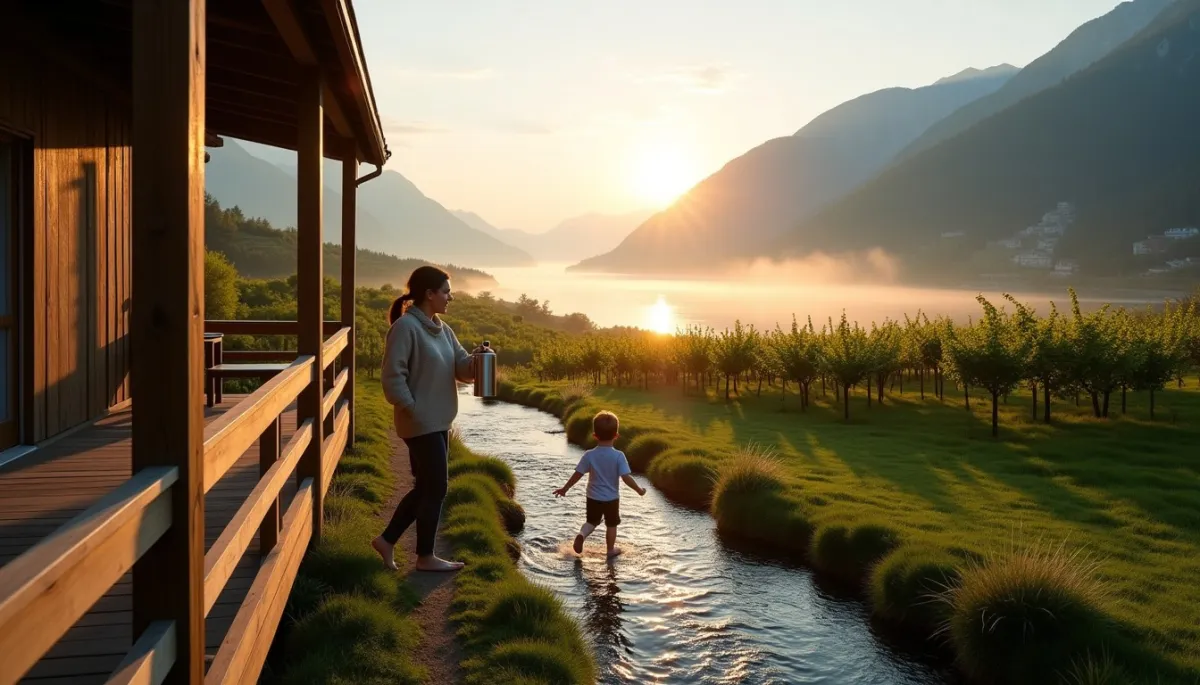
Imagine waking on a wooden balcony above Lake Geneva, the first sun touching terraced vineyards. A thin veil of mist rolls off the nearby glacier-fed streams. Locals stroll with thermos bottles of glacier water, children laugh as they run barefoot on dewy grass, and the night before you slept soundly after an evening of slow breathing by a wood stove. This is the kind of scene where Alpine wellness becomes tangible.
Souffle régénérateur
Today many people seek retreats for better sleep. Urban noise, light pollution and airborne particles fragment nights. In contrast, Alpine air, filtered by altitude and vegetation, shows lower concentrations of fine particles (PM2.5) and common allergens. Clinicians often recommend stays in cleaner air to patients with mild sleep disruption and respiratory irritation.
Researchers in Europe observed improvements in subjective sleep quality after short mountain stays (several days to a week). The mechanisms are multiple: reduced nighttime airway inflammation, lower exposure to traffic-related pollutants, and a calmer autonomic state linked to fresh air and lower temperatures at night.
On the Riviera suisse, places like Rochers-de-Naye and the slopes above Vevey offer accessible elevations (1,000 to 1,800 meters) where the air feels noticeably different. Many visitors report falling asleep faster and waking less during the night after just 48 hours.
Eau des glaciers
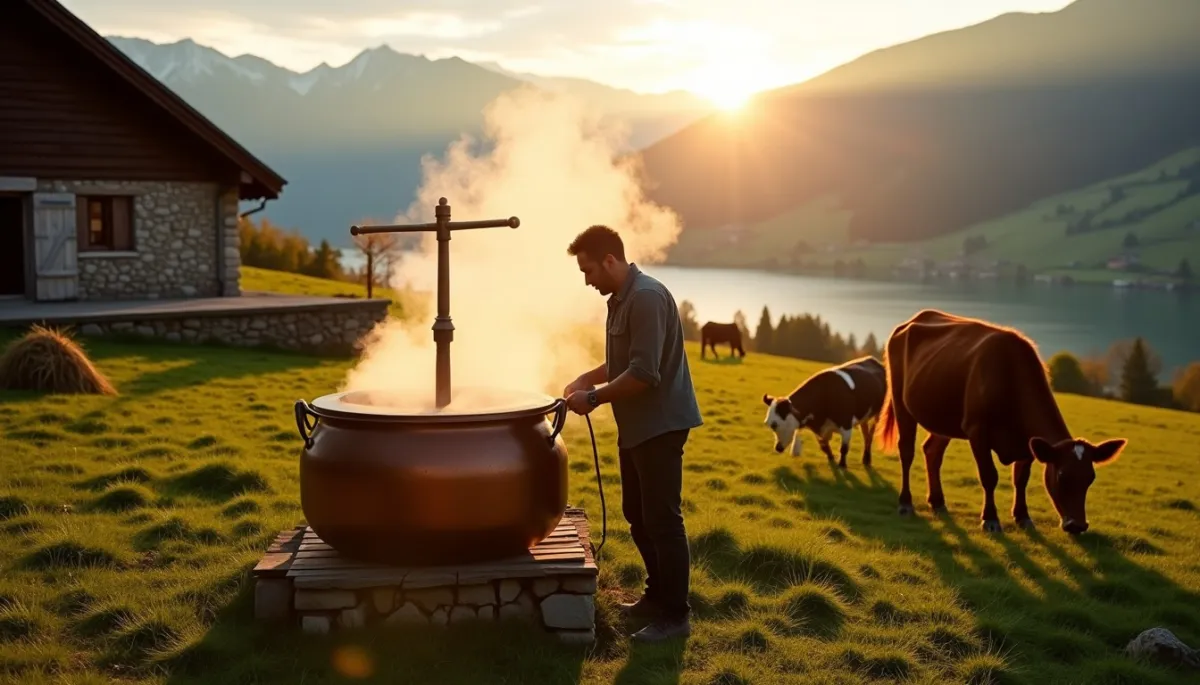
Glacier water is often prized for its taste and mineral balance. Meltwater collects trace minerals such as magnesium and calcium along its path. These minerals play a recognized role in muscle relaxation and nervous system regulation, both important for sleep.
Beyond minerals, the ritual of drinking cold, clean water matters. A cold shower or a short plunge in a mountain stream can shift the autonomic nervous system toward parasympathetic balance, promoting recovery. Local guides on routes toward Glacier des Diablerets and Glacier du Rhône tell stories of hikers who sleep more deeply after an afternoon dip or a steady intake of glacier water.
At thermal establishments and boutique hotels around Montreux and Leysin, chefs and sommeliers sometimes highlight glacier water as part of evening routines. They pair it with magnesium-rich snacks and guided breathing to enhance sleep onset.
Pourquoi choisir les Alpes
Why are people turning to Alpine wellness now? Modern life is chronically activating. According to the World Health Organization, about one in three adults experiences sleep problems at some point. Many turn to non-pharmacological approaches, such as changes in environment and routine.
The Alps offer a combined intervention: cleaner air, natural cold exposure, daylight regulation and slower rhythms. Chronobiologists emphasize daylight exposure in the morning to entrain circadian rhythms. High-altitude daylight is often stronger and clearer, making morning walks near vineyards and lakes very effective.
Local stories multiply. A Montreux-based musician described how three nights near a glacier stream before a tour reduced jet lag and improved stage energy. Small hospitality businesses now design “sleep packages” that include guided walks, glacier-water tastings and sleep hygiene coaching.
Limites et réalités
The Alpine remedy is not a miracle. People with clinical insomnia, sleep apnea, or certain chronic conditions should consult specialists. Some studies note that benefits wane without lifestyle changes at home, and placebo effects can be strong in wellness stays.
Climate change also reshapes the offer. Swiss glaciers have lost a significant portion of their mass since the late 20th century, affecting long-term water flow and local ecosystems. Responsible tourism and water stewardship are essential to preserve these benefits.
Accessibility matters. Not everyone can travel to high altitudes, and sudden altitude change can affect vulnerable individuals. Start with modest elevation and consult your doctor if you have cardiovascular or respiratory issues.
Conseils pratiques
Plan a 2 to 4 night stay to feel measurable effects. Combine morning exposure to sunlight with a short afternoon walk by a glacier-fed stream. Try a cool shower in the evening, and drink small amounts of glacier water (if available from safe taps at hotels or refuges).
Practice slow breathing before bed (4 seconds inhale, 6 seconds exhale) and avoid heavy screens an hour before sleeping. Choose accommodation with good ventilation and a thermostat you can lower at night (cool nights improve sleep quality).
Finally, be a responsible visitor. Follow local rules near glaciers and streams, take your waste, and favor lodges that monitor water sources. Preserving the Alpine advantages means protecting them.
Thanks for reading, and don't forget, Enjoy Life Moments!