Alex Honnold: free solo of El Capitan
🚀 Key Takeaways
- Concept key : Free solo means climbing without rope or protective gear (maximum exposure).
- Practical tip : Break huge goals into incremental steps, rehearse, and respect measurable limits.
- Did you know : The climb was filmed for the 2018 documentary Free Solo, which won the 2019 Academy Award for Best Documentary Feature.
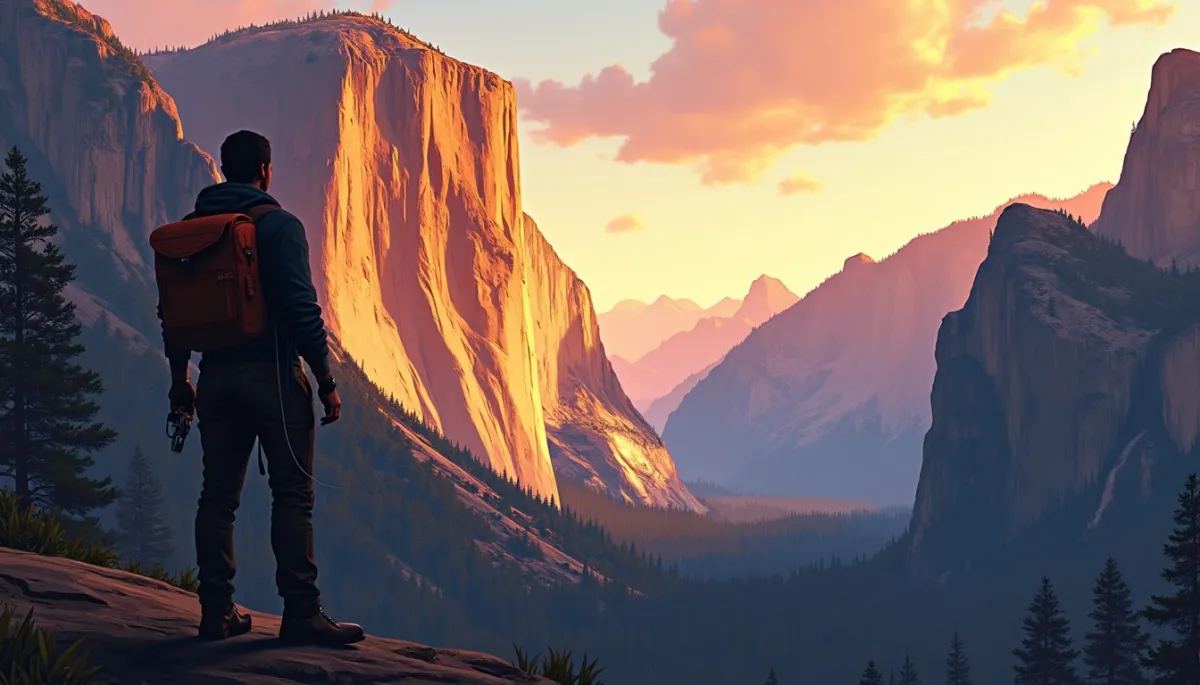
Silence on the granite. Imagine a man alone, tiny against a 914-meter wall of sheer rock, every move decisive.
A moment etched
Alex Honnold, born August 17, 1985, in Sacramento, is a professional rock climber whose name became synonymous with free soloing. On June 3, 2017, he completed a free solo ascent of El Capitan via the Freerider route in Yosemite Valley.
El Capitan is roughly 3,000 feet (about 914 meters) of vertical granite. The Freerider line is technically demanding (commonly rated 5.12d), and Honnold climbed it without rope in 3 hours and 56 minutes, according to widely reported accounts of that day.
The ascent was captured by filmmakers and climbers including Jimmy Chin and Elizabeth Chai Vasarhelyi, who later released the documentary Free Solo in 2018. The film won the Academy Award for Best Documentary Feature in 2019, bringing the climb to a global audience.
Why it matters
Honnold's achievement changed public perception of climbing. It transformed a niche discipline into a story about extreme human focus and risk. The climb sparked fascination, debate, and a surge of interest in climbing gyms and outdoor rock climbing.
Beyond media attention, the ascent highlighted issues of safety, responsibility, and the culture within climbing. While many celebrated Honnold's mastery, others questioned the ethics of showcasing such perilous undertakings to mass audiences.
The Honnold Foundation, started by Alex in 2012, also drew attention to how elite athletes can harness visibility for social causes. The foundation focuses on solar energy projects and sustainable initiatives, linking high-profile achievement with long-term public benefit.
How he prepared
Free soloing means climbing without rope or protective gear (a practice that leaves no margin for error). Honnold rehearsed Freerider extensively on rope. He memorized sequences, practiced the hardest moves repeatedly, and conditioned his body to endure sustained physical strain.
His background includes years of big-wall experience and meticulous route study. He studied engineering at the University of California, Berkeley, a training that fed his methodical approach to problem solving on rock.
Preparation also included mental training. Honnold described his process as an accumulation of small decisions, careful rehearsal, and a temperament suited to precise, unemotional focus under stress.
Shadows and sunlight
The feat is not without controversy. Critics say broadcasting extreme risk can encourage imitation by ill-prepared climbers. Supporters argue the story inspires people to push limits responsibly and to appreciate mastery.
For Honnold personally, the climb did not mark an end, but a milestone. It expanded his platform, but also intensified scrutiny about what elite athletes owe their communities when demonstrating hazardous skills.
For readers, the lesson is practical and human: ambitious goals require preparation, humility and respect for limits. Train progressively, rehearse the hardest parts, and never confuse admiration with replication.
Thanks for reading, and don't forget, Enjoy Life Moments!