Adrian Zecha: the hotelier who invented minimalist and spiritual luxury with Aman
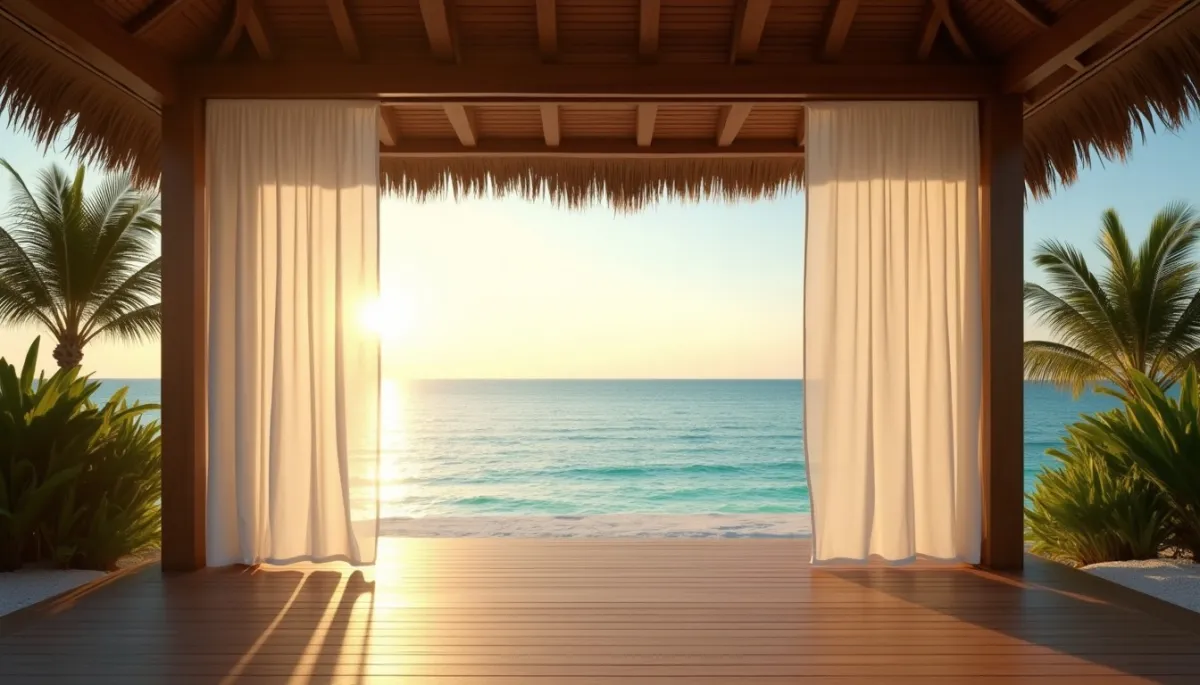
Adrian Zecha imagined silence as a service. In 1988 he opened Amanpuri in Phuket and launched a new grammar of luxury, focused on space, light and inner calm.
🚀 The essentials
- Key concept: Luxury as freedom from clutter and the search for peace.
- Handy tip: Choose Aman for privacy, local crafts and restorative programs.
- Did you know: “Aman” means “peace” in several South Asian languages.
Calm is understandable. Imagine a low pavilion that opens to the Andaman Sea, teak floors heated by the sun, a palm-lined path leading to a private room. This is the scene that Amanpuri, the first Aman address, offered, and it is the scene that Adrian Zecha wanted to offer to the world.
Gentle revolution
Adrian Zecha, born in 1933 in Indonesia, is the entrepreneur who gave birth to Aman Resorts and who marked several decades of the international hotel industry. Long before the term “boutique hotel” became commonplace, he championed the idea that fewer rooms, local materials and generous spaces create true emotional luxury.
In 1988 he inaugurated Amanpuri in Phuket. The project sets an aesthetic code: low pavilions, subdued color palettes, large terraces and absence of public clutter. Architects such as Edward Tuttle translated Zecha's vision into an architectural language that has become a standard.
Today, Aman is synonymous with a form of escape sought by artists, managers and travelers looking for retirement rather than spectacle. The brand's influence is reflected in private villas, wellness programs and the global appetite for relaxed luxury.
Course and influences
The path to Aman was not linear. Growing up in multicultural Indonesia, Zecha worked in hospitality in Asia and Europe. These formative experiences nourished his taste for places that were both local and universal.
Before Aman, he participated in other hotel projects which taught him economics and the workings of the trade. When he proposed a tiny resort and sanctuary in Phuket, he was able to convince investors that a luxury product could be defined by space and excellent service, rather than quantity.
A famous anecdote relates that he required very few suites and large public spaces, so that guests would have the feeling of a private enclave. This requirement has pushed architects and operators to rethink circulation, perspectives and staff training, because silence demands its own service know-how.
Luxury in practice
Aman's philosophy can be summed up like this. “Minimalist” doesn’t mean asceticism, it’s about eliminating distraction. Materials, proportions and light become the currency of luxury. The term “spiritual” here refers to attention to well-being, rituals and connection to place.
Concretely, this translates into tailor-made retreats, guided cultural encounters and villas that resemble private homes. Aman establishments often use local artisans and are inspired by traditional architecture, a practical method of anchoring a global brand in its environment.
For travelers: choose a room with outdoor space, request a private dinner and plan at least three nights to experience the slow pace desired by Zecha.
Growth and contradictions
No design philosophy remains intact once it becomes valuable. Aman grew, changed hands several times and adapted to new markets, from city centers to ski areas. The success also raised the question of a possible dilution of the initial idea.
Critics point to exclusivity and high prices as inherent tensions: how to maintain the spirit of craftsmanship while meeting global demand? Defenders counter that the model has raised standards and inspired smaller, more thoughtful hotels around the world.
Zecha acknowledged some concessions, but his central intuition remains: luxury is not accumulation, it is the creation of emotional space. This idea continues to inspire designers, hoteliers and travelers in 2026.
Thanks for reading, and remember, Enjoy life's moments!