Oprah Winfrey: from poverty to spiritual quest, how gratitude forged her empire
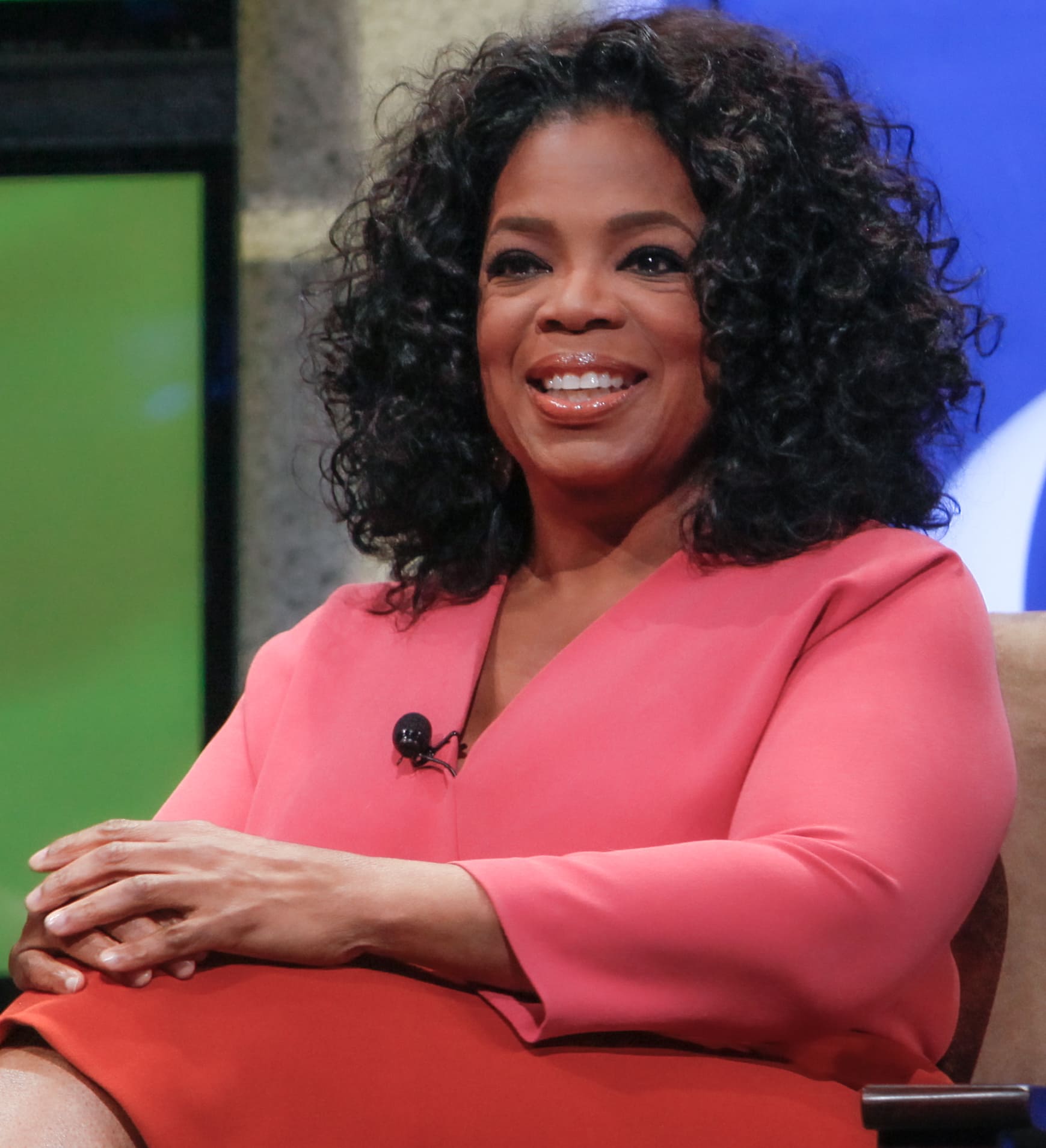
Born in 1954 in Mississippi, Oprah Winfrey transformed poverty into a global influence. His success combines journalism, entrepreneurship and a spiritual quest centered on gratitude.
🚀 The essentials
- Key concept: Gratitude as a daily practice guided decisions and resilience.
- Practical tip: Keep a short gratitude journal for 21 days to change your outlook.
- Did you know: Its academy for girls in South Africa opened in 2007.
A light comes on in a Chicago studio, the audience holds their breath. The voice that once spoke from a cotton field now guides millions of conversations.
public figure
Oprah Gail Winfrey, born January 29, 1954 in Kosciusko, Mississippi, is a host, producer and philanthropist. She hosted The Oprah Winfrey Show from 1986 to 2011, a show that changed daytime television and propelled authors through Oprah's Book Club, launched in 1996.
She founded Harpo Productions in 1986, then the OWN network in 2011, extending her influence into production and cable television. His interviews with Maya Angelou, Nelson Mandela and Eckhart Tolle shifted the public debate towards literature, healing and spirituality.
Among his distinctions is the Presidential Medal of Freedom (2013). His philanthropy includes the opening in 2007 of the Oprah Winfrey Leadership Academy for Girls, a concrete commitment to education.
roots and ascension
His journey is born of deprivation. Raised in rural poverty, she spent her early years with her grandmother, who taught her to read. As a teenager, she suffered violence and pregnancy; her child dies shortly after birth. These challenges have forged a decisive resilience.
In the 1970s, she started in local radio and television, and studied communications at Tennessee State University. In 1984, she took over AM Chicago, which she transformed into the city's highest-rated show. The success paved the way for The Oprah Winfrey Show, broadcast nationally in 1986.
His talent lies in a rare blend of journalistic curiosity and emotional intelligence. She knows how to listen, ask strong questions, and use her media space to amplify voices and ideas.
gratitude engine
Gratitude comes up again and again in his public narrative. Oprah talks about gratitude lists, giving specific thanks each day. This habit functions as cognitive retraining (i.e. a process to direct attention from scarcity to abundance).
In the 2000s and 2010s, she popularized meditation, inviting spiritual teachers to her shows. Projects like SuperSoul Sunday and the 21-Day Meditation Experiences (in partnership with guides such as Deepak Chopra) have made the practice accessible to a wide audience.
Researchers note that gratitude reduces stress, strengthens social bonds and clarifies decision-making. For a leader, these effects translate into more sustainable priorities: investing in people, prioritizing long-term impact, and supporting education.
tensions and aftermath
Oprah's journey also contains tensions. She accumulated wealth and influence while promoting humility and inner life. Some criticize the disconnect between consumerist entertainment culture and spiritual messages. Oprah responds with action: donations, scholarships and the school in South Africa show a desire to transform personal success into a common good.
The end of the daily show in 2011 was not a withdrawal. OWN, digital initiatives and partnerships in well-being and literature reflect a capacity for reinvention. Its positioning has moved from spectacle to the curation of meaning.
For the reader, the practical lesson is simple. Gratitude is not a free-floating emotion. It is a practice that accompanies concrete choices: a little morning journal, ten minutes of guided meditation, and a concrete gesture towards a school or a local mentor.
Oprah's journey, from the fields of Mississippi to the big stages, shows that inner work and outer action nourish each other. Gratitude anchored it, strategy and risk built the empire.
Thanks for reading, and remember, Enjoy life's moments!