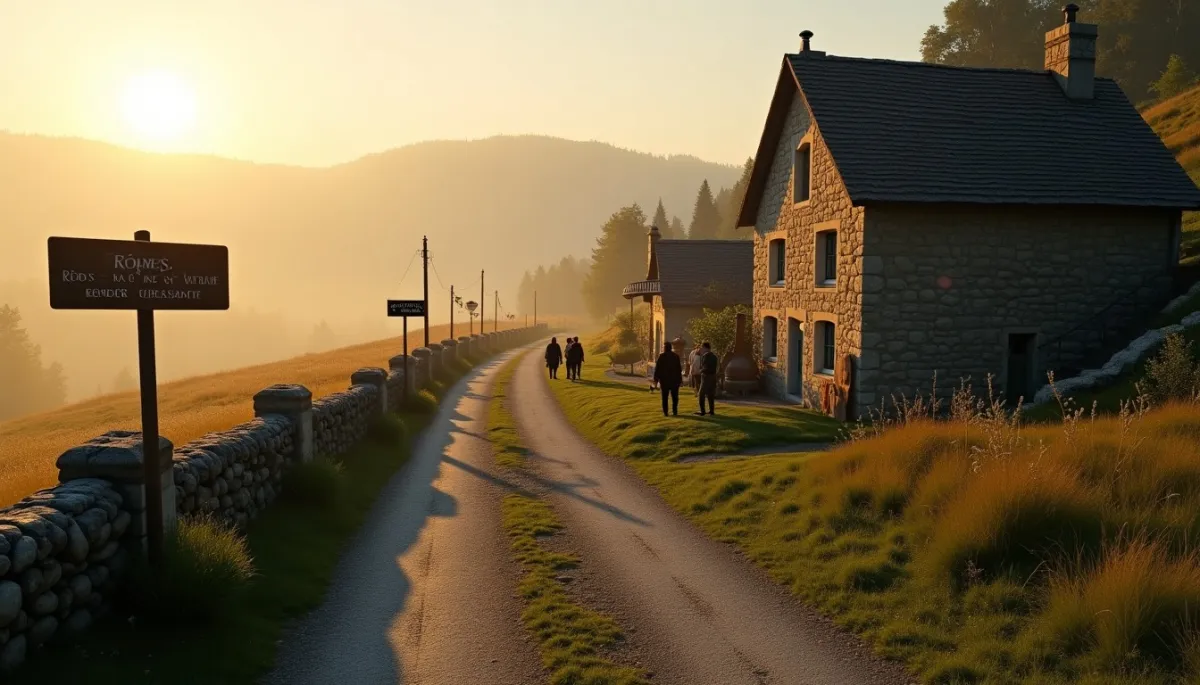
Alpine flavors: the history of mountain cheeses and cured meats
🚀 Key Takeaways
- Key concept : Alpine products reflect the terroir, summer pastures and traditional methods.
- Practical tip : Visit a désalpe or alpage in summer, taste a raw-milk cheese and pair it with a local white wine.
- Did you know : Salt, smoke and air-drying were essential for mountain salaisons long before refrigeration.
The mountains shaped how people fed themselves. When shepherds took herds to high pastures, milk transformed into dense, long-lasting cheeses. At the same time cured meats developed as reliable winter fare, preserved with salt, smoke and alpine air.
This article traces those practices across the Alps, from the Swiss cantons to Savoie and the Italian valleys. I share concrete names and places, explain traditional techniques and give you ideas to taste these products like a local.
Origins and historical snapshots
The roots of alpine cheesemaking go back to pastoralism. Communities moved animals seasonally, a practice called transhumance, to take advantage of rich summer herbs on high pastures. Converting milk into cheese was a practical solution to store calories for winter and for trade. Medieval charters and monastery records mention wheels of cheese as payments and provisions, showing how essential they were to alpine economies.
Salting and air drying meats followed a similar logic. When salt became a traded commodity carried across Alpine passes, it enabled families to cure hams and beef. Think of Bündnerfleisch from the Grisons, a dried beef that evolved where cold, dry mountain air and methodical salting created a shelf-stable delicacy. In Italy, bresaola of Valtellina and in France, various jambons and lonzo-style salaisons show local variations of the same necessity turned into craft.
From alpage to cellar: cheesemaking methods
Alpine cheeses often begin with raw milk collected each morning on the alpage. Traditional producers use rennet and careful curd cutting, pressing and long affinage in cool cellars. The seasonality matters: summer cheeses, fed on alpine herbs and wildflowers, carry notes of gentian, thyme and buttercup that simply do not exist in valley milk.
Names tell the story. Gruyère and Vacherin Mont d'Or in Switzerland, Beaufort and Reblochon in Savoie, Fontina and Bitto in northern Italy: each has an aging ritual. Beaufort, for example, is pressed to expel whey and aged on spruce boards, while Mont d'Or is wrapped in spruce bark and matured in humid caves. These choices shape rind development, texture and aroma.
Salaisons de montagne: salt, smoke and air
Curing meat in the mountains relies on three allies: salt, controlled drying and often smoke. Salt draws out moisture and arrests bacterial growth, while cold alpine winds slowly desiccate the flesh. Many valleys developed specific recipes. Bündnerfleisch producers salt and press beef, then dry it in cool lofts. In Trentino and Valtellina, bresaola is lightly salted and air-cured for weeks to months.
Smoking is a regional accent rather than a rule. Where cold smoke was used, it added preservative compounds and distinct flavors. The result is not only durability but a concentrated taste that pairs wonderfully with rustic bread, pickles and robust mountain wines.
Terroir, microbiota and flavor
What makes an alpine cheese taste of the mountain? Terroir is more than a buzzword. It includes the botanical mix on the pasture, the microflora in the milker's hands, and the bacteria and molds native to local cellars. Raw-milk cheeses especially capture these micro-ecosystems, producing subtle differences from valley to valley.
Researchers now study alpine pastures and cellar microbiomes to understand flavor. Practitioners observed it for centuries. A wheel matured in a limestone cave in the Val d'Anniviers will develop differently than one aged in a timber cellar by Lac Léman. For plateside tasting, note mineral notes, herbal hints and the texture: elastic, crumbly or melting.
Festivals, culture and tasting tips
Transhumance is celebrated across the Alps. In Switzerland, the désalpe marks cows returning from alpage, bedecked with flowers and large cloches. In Savoie, local fêtes announce cheese sales and tastings. These events are the best moments to talk with fromagers, see making methods and buy directly from producers.
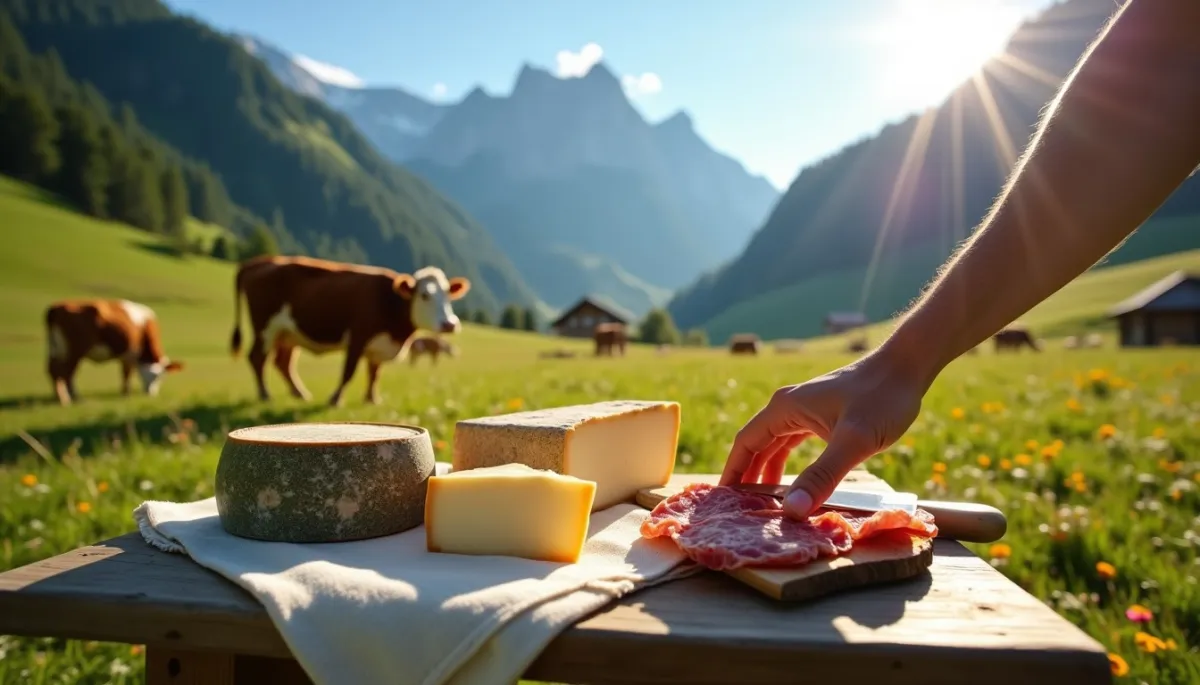
When tasting, start with milder young cheeses and move toward older affinés. Pair with local wines: a dry Fendant for a young raclette, a full-bodied Vin de Savoie for Beaufort, or a chilled alpine white for fresh tommes. For salaisons, offer paper-thin slices at room temperature with rye or walnut bread and a touch of mustard or cornichons.
Challenges and the future
Today producers face pressures: regulations on raw milk, climate change altering pastures, and market demand for standardized products. Yet the same challenges have prompted a revival of small dairies and protected labels. AOP and PDO designations help protect traditional methods and names, giving consumers confidence when they buy.
Agrotourism offers a path forward. Visitors who take part in an alpage visit or a cellar tour become ambassadors. They taste, learn and bring home stories. That engagement is vital to preserve the living craft of alpine cheeses and mountain cured meats.
Thanks for reading, and don't forget, Enjoy Life Moments!