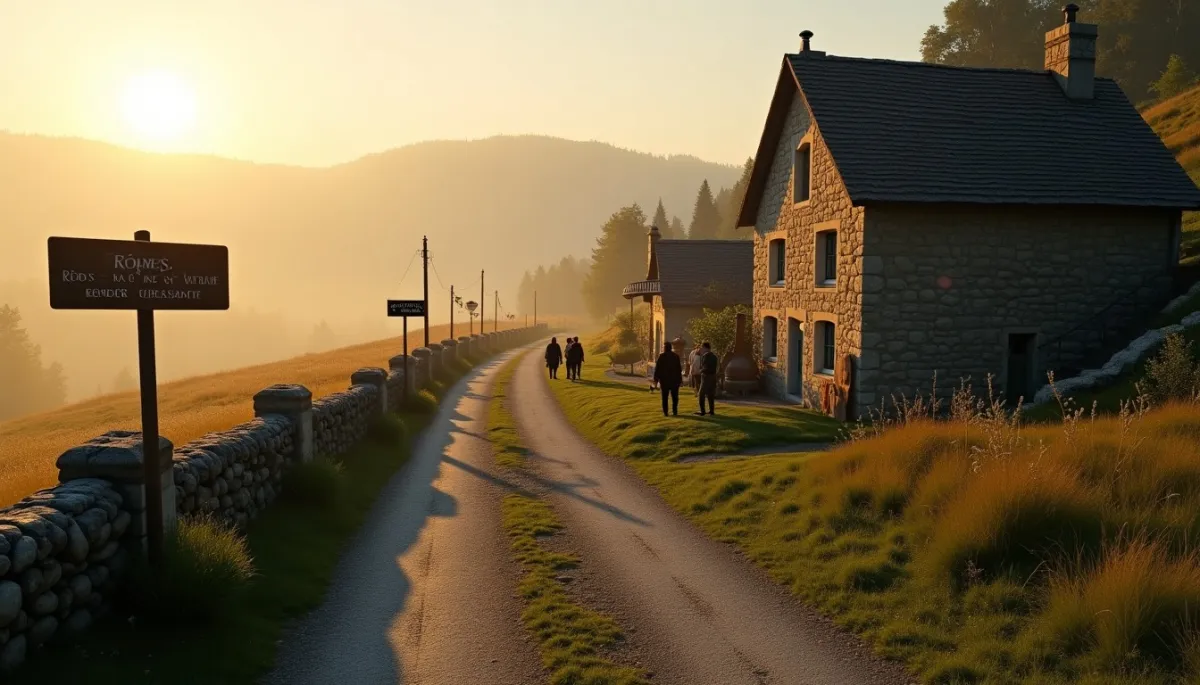
The vignerons-tâcherons: the human story behind Lavaux's stone walls
🚀 Key Takeaways
- Key concept : Vignerons-tâcherons were local winegrowers who combined work on their own plots with hired labour across the terraces.
- Practical tip : Walk the Lavaux trail between Lutry and Saint-Saphorin at sunrise to catch the light on the murets and meet local producers.
- Did you know : Lavaux's terraces, shaped over centuries, are a UNESCO cultural landscape since 2007, reflecting communal viticultural practices.
Lavaux is often admired for its geometry of terraces stacked above Lake Geneva, but the human rhythm that created and maintains this landscape deserves equal attention. The vignerons-tâcherons are the link between stone, vine and village life.
Understanding them means listening to work rhythms: pruning in late winter, tending in spring, the intense solidarity of harvest time and the careful rebuilding of dry-stone walls. These practices explain why Lavaux still looks the way it does.
Origins of the terraces and the role of communities
The terraces of Lavaux began to take shape in the Middle Ages, with monks and local families laying out small parcels on slopes exposed to the lake. Over centuries, these plots were sculpted into terraces supported by murets, the low dry-stone walls that hold both soil and history.
Communal organization mattered. Many families owned a few rows of vines and relied on reciprocal labour. The term vigneron-tâcheron describes people who combined cultivation of their own smallholdings with seasonal or hired work for neighbours and larger landowners. That blend of independence and mutual help kept the steep slopes productive.
Daily life: work, tools and the seasons
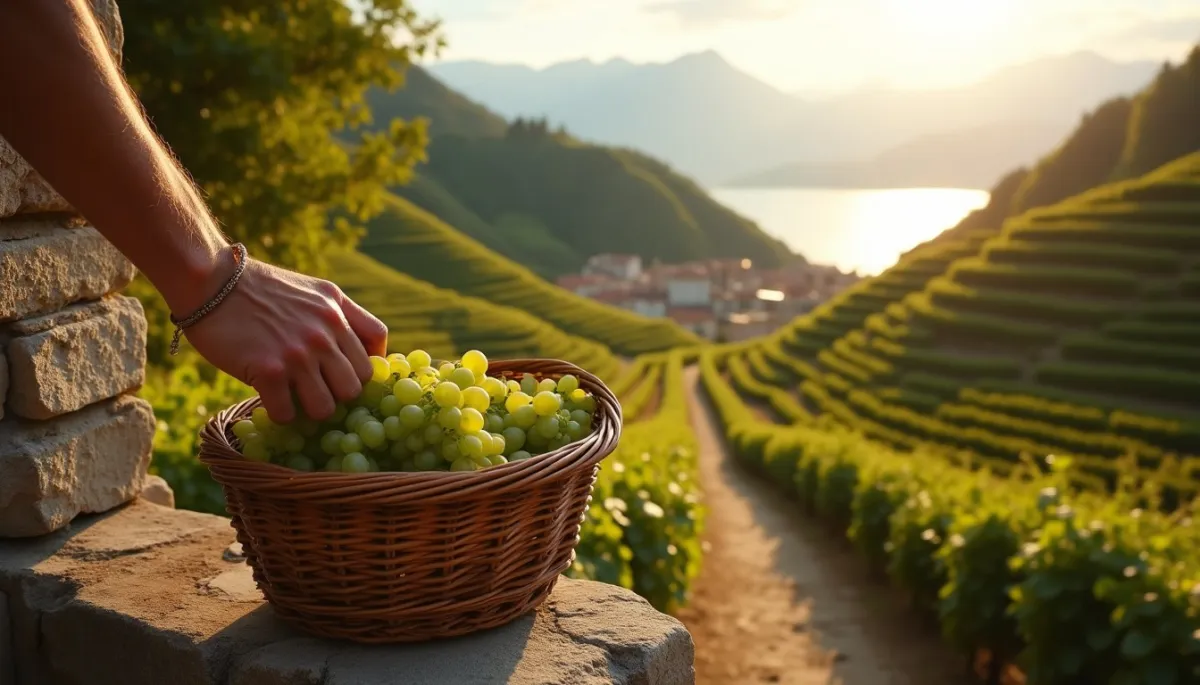
Life as a vigneron-tâcheron is defined by seasons. Winters are for pruning and mending walls, spring brings tying and canopy management, summer calls for vigilance against disease and birds, and autumn turns the terraces into a hive of harvest activity. The soundscape is simple: footsteps on stone, snips from secateurs and the soft thud of grapes into baskets.
Tools are modest but specific to the place. Hand tools, short-handled hoes, and grape baskets remain central because the terraces are narrow and steep, inaccessible to large machines in many sectors between Epesses and Chexbres. That constraint preserved traditional techniques and the human scale of viticulture.
Crises, resilience and change
Like all European vineyards, Lavaux faced crises such as phylloxera in the late 19th century, which forced replanting and grafting. Economic change pushed some families away, while others adapted by forming cooperatives, modernizing cellars or opening their doors to visitors.
Today mechanical aids exist, but many producers choose manual work for quality and heritage reasons. Wine tourism and UNESCO recognition brought new income, yet they also raise questions about authenticity and landscape management. The vignerons-tâcherons tradition lives on as a set of skills and social practices, continuously renegotiated.
Visiting Lavaux with an attentive eye
When you walk from Lutry to Saint-Saphorin, look for details: the varying heights of murets, parcels edged by old stone markers, small tasting rooms tucked into cellars. Ask about the grape variety chasselas, the area’s emblematic white grape, and you will hear stories rather than rehearsed pitches.
Share a moment with a local, taste a glass facing Lake Geneva, and imagine the centuries of hands that shaped that view. The best souvenirs are not only bottles but the memory of a late-afternoon light falling on stones warmed by the day.
Thanks for reading, and don't forget, Enjoy Life Moments!