The art of watchmaking: why time flows differently on the Swiss Riviera
🚀 Key Takeaways
- Core idea : The Swiss Riviera alters perception of time through landscape, culture and horological craft.
- Practical tip : Visit during Montreux Jazz Festival in July and book an atelier visit or a vintage watch boutique in advance.
- Did you know : Charlie Chaplin lived in Corsier-sur-Vevey from 1952 to 1977; his presence shaped the region's cultural rhythm.
Time feels generous here.
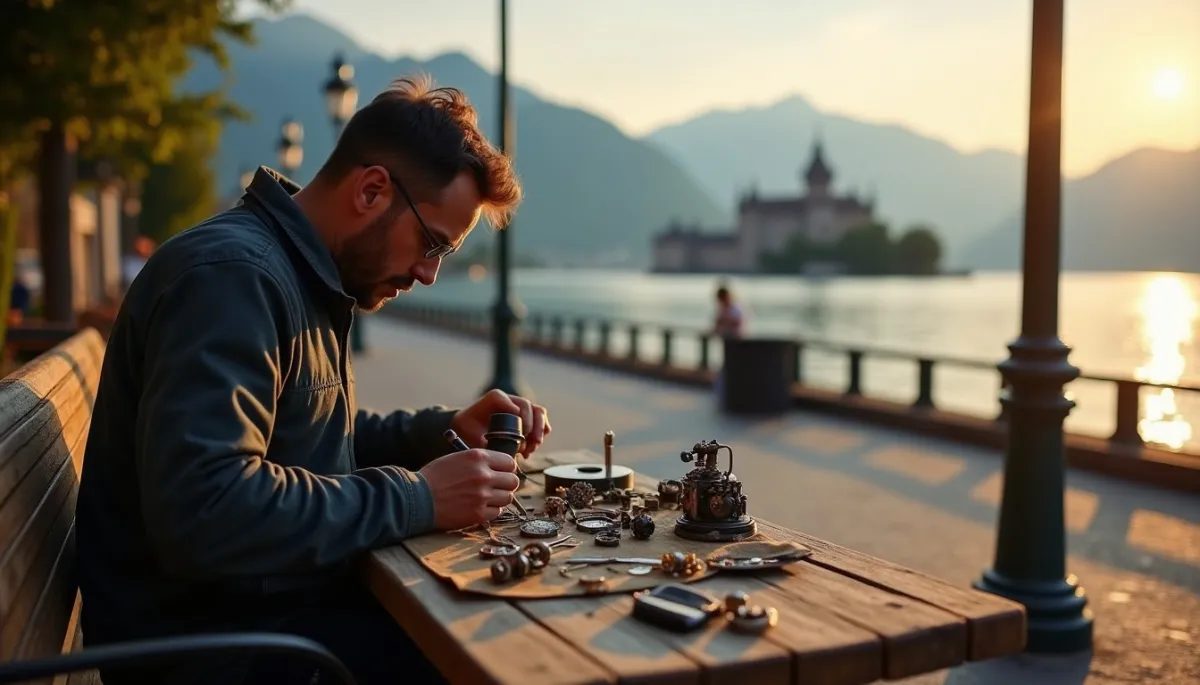
Imagine a late afternoon on the promenade of Montreux: golden light on the lake, the silhouette of Château de Chillon across the water, and a small bench where a watchmaker, loupe at the eye, adjusts the tiny springs of a vintage movement. Voices of passersby, distant jazz from a rehearsal room, and the soft clink of tools turn minutes into scenes you want to keep watching.
Le temps qui s'étire
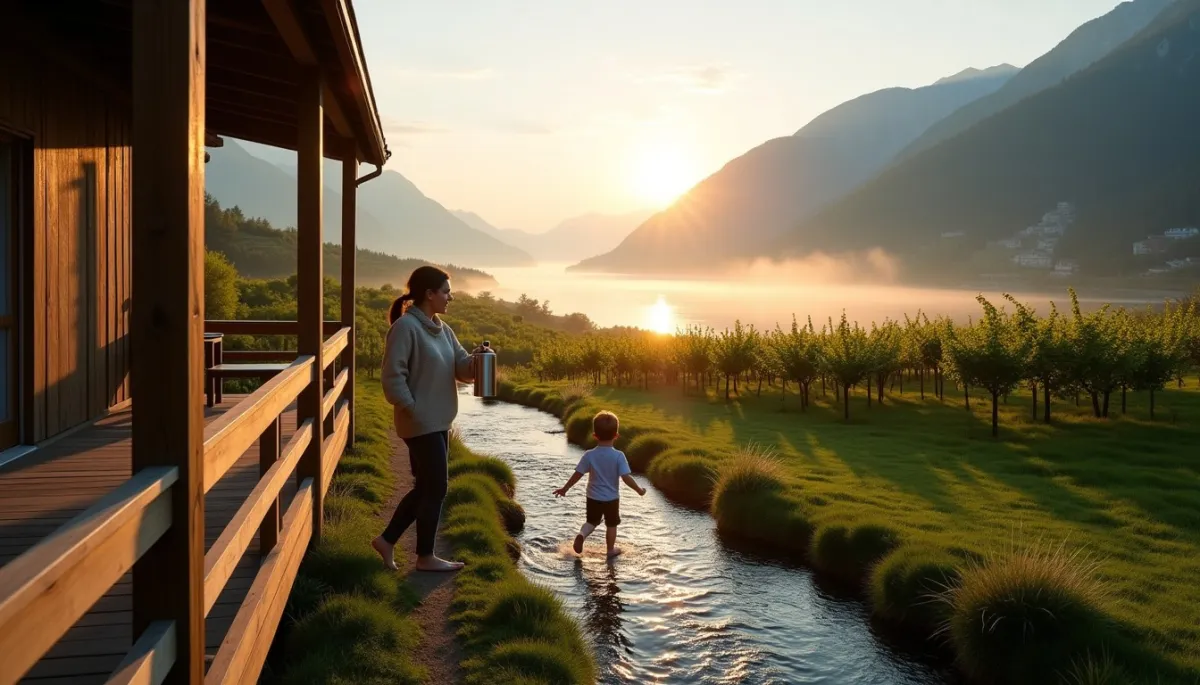
The Riviera's tempo owes much to geography. Lake Geneva (Lac Léman) mirrors the sky, prolonging daylight and softening shadows. The visual calm alters perception: a 30-minute walk along the shore can feel like an hour of rest.
Cultural rhythms deepen the effect. Montreux Jazz Festival, founded in 1967, and the Fête des Vignerons, last celebrated in 2019, suspend normal schedules. For weeks each summer, international artists and local rituals coexist, and daily life adapts to festivals, markets and tourists.
There is also a professional rhythm. Clockmakers, vintners and restaurateurs on the Riviera work to seasonal cycles. Harvests, festival seasons and tourist peaks set pulses that differ from urban 9-to-5 patterns, so visitors perceive a more leisurely cadence.
Les mains qui fabriquent
Watchmaking is not only about instruments that mark seconds, it is a craft that measures human time. Swiss haute horlogerie (high-end watchmaking) has roots in the 18th and 19th centuries. Names such as Vacheron Constantin (founded 1755) and Patek Philippe (founded 1839) embody a long national story, while town planning in La Chaux-de-Fonds and Le Locle was recognised by UNESCO in 2009 for its link to the industry.
Though the Riviera lies outside the Jura watch valleys, its boutiques and repair ateliers are lively. Antique dealers in Vevey and Montreux trade vintage movements, and independent watchmakers often test and exhibit prototypes during summer markets and cultural events.
Craftsmanship changes pace perception. A watchmaker's patient focus on a balance wheel or escapement invites contemplation. This tangible intimacy with timepieces translates to a local culture that values quality over haste, and that sensibility spreads to cafés, wine cellars and walking routes.
Entre lumière et mécanismes
Science and craft meet in everyday life. The lake creates a microclimate that moderates temperatures and extends the gentle light of morning and evening. Photographers and painters have long noted how this light reveals details, and watchmakers benefit from it too when regulating movements by hand.
Economic rhythms are another layer. Switzerland's watch industry has long been a major export sector. Before the global slowdown in 2020, export values often exceeded 20 billion Swiss francs annually; the industry's rebound in recent years reflects both luxury demand and renewed interest in mechanical watches.
Yet the Riviera balances industry with leisure. Headquarters such as Nestlé in Vevey, cultural sites like Chaplin's World (opened 2016) and the Château de Chillon (known since the 12th century) create a mix of history, corporate life and tourism. That blend shapes daily tempos that feel richer and more textured.
Presque immobile
Still, contradictions exist. Globalization and digital speed reach even lakeside streets. Online sales, international collectors and rapid information flows compress decision times. A vintage watch can be spotted online and sold within hours, while the same object once changed hands over months.
Local actors adapt. Many ateliers offer bespoke experiences, weekend workshops or short guided visits that allow visitors to experience slow craft in a fast world. Museums and festivals integrate digital catalogues and virtual tours, widening access without erasing tactile reality.
For travelers, the lesson is simple. Plan for both rhythms. Book key visits around festivals like Montreux Jazz if you want atmosphere, or choose quieter spring and autumn weeks to savour uninterrupted walks and atelier conversations.
Practical tips: arrive by train (Lausanne and Montreux are well connected), carry flat shoes for promenades, ask in advance for atelier visits, and respect makers' time: an appointment is part of the shared ritual.
On the Riviera, seconds remain seconds, but the way we count them changes. Between the lake's reflection, centuries of craft and the cadence of festivals, time becomes a material you can touch, listen to and slow down.
Thanks for reading, and don't forget, Enjoy Life Moments!