Truffles and olive groves: agritourism in the Var hinterland
🚀 Key Takeaways
- Key concept : Agritourism combines truffle hunts and olive-mill visits for authentic Provençal experiences.
- Practical tip : Book a truffle hunt in Aups or an olive-mill tour in Seillans, arrive with suitable shoes and an open appetite.
- Did you know : The black Périgord truffle (Tuber melanosporum) is mostly found in the Var between November and March.
Close your eyes and breathe in earth and resin. You can almost hear paws in the leaf litter.
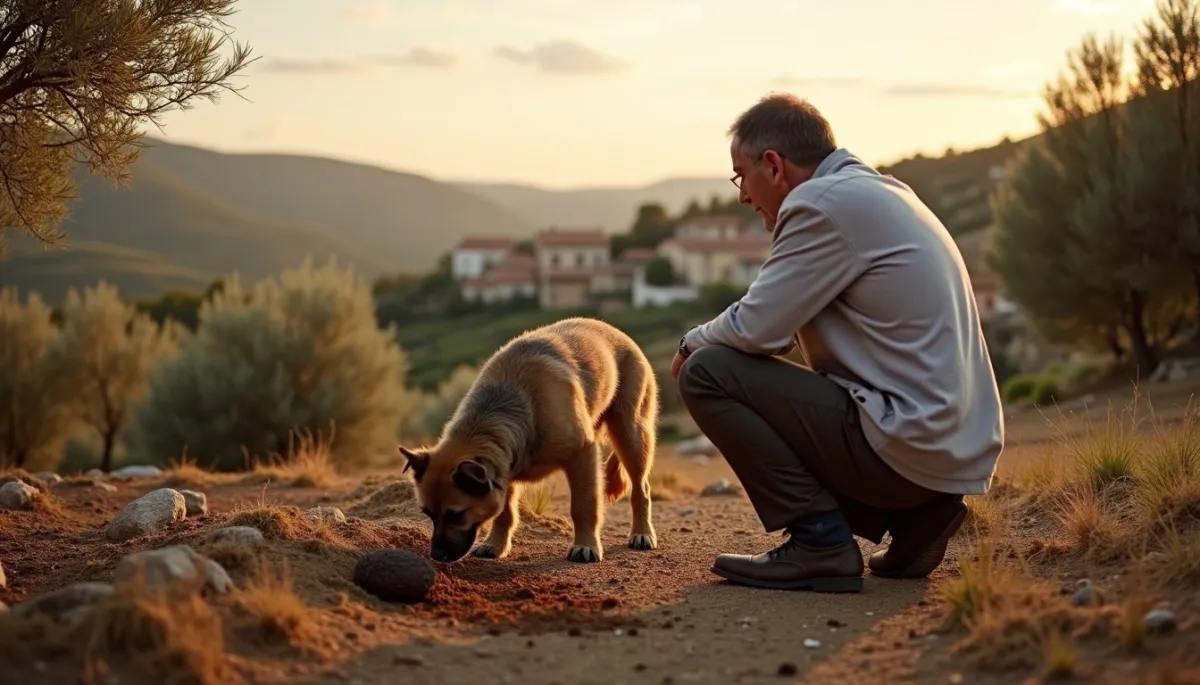
On a cool winter morning near Aups, a truffle hunter (trufficulteur) and his Lagotto Romagnolo move between holm oaks. Steam rises from the soil as the dog scratches a small hole and the hunter gently uncovers the black truffle, dark and fragrant. Nearby, a market square fills with local vendors selling freshly harvested tubers, chestnuts and hot soup, while tourists bundle up and ask questions, notebooks or phones in hand.
Matinées noires
The truffle season shapes the winter rhythm of the Haut-Var. From November to March, markets and fairs gather producers and enthusiasts. The weekly truffle market in Aups, and the Fête de la Truffe in January, attract chefs, families and food lovers from France and beyond.
Truffles here are most often Tuber melanosporum, the prized black Périgord truffle. Their aroma defines menus in local restaurants, and they fetch high prices at auctions and on culinary circuits. A single kilo can command several hundred euros depending on quality and season.
Beyond commerce, truffle hunts are an experience. Visitors learn to read soils, to respect landowners' rules, and to observe ethical harvesting. Many trufficulteurs use trained dogs rather than pigs, because dogs are gentler on the truffle beds and easier to control in mixed terrain.
Oliviers en terrasse
When winter gives way to spring and autumn brings the olive harvest, terraces and slopes of the Var shimmer with silvery leaves. The region produces oils labeled under AOP/AOC Provence, and small family mills keep traditional presses alive alongside modern equipment.
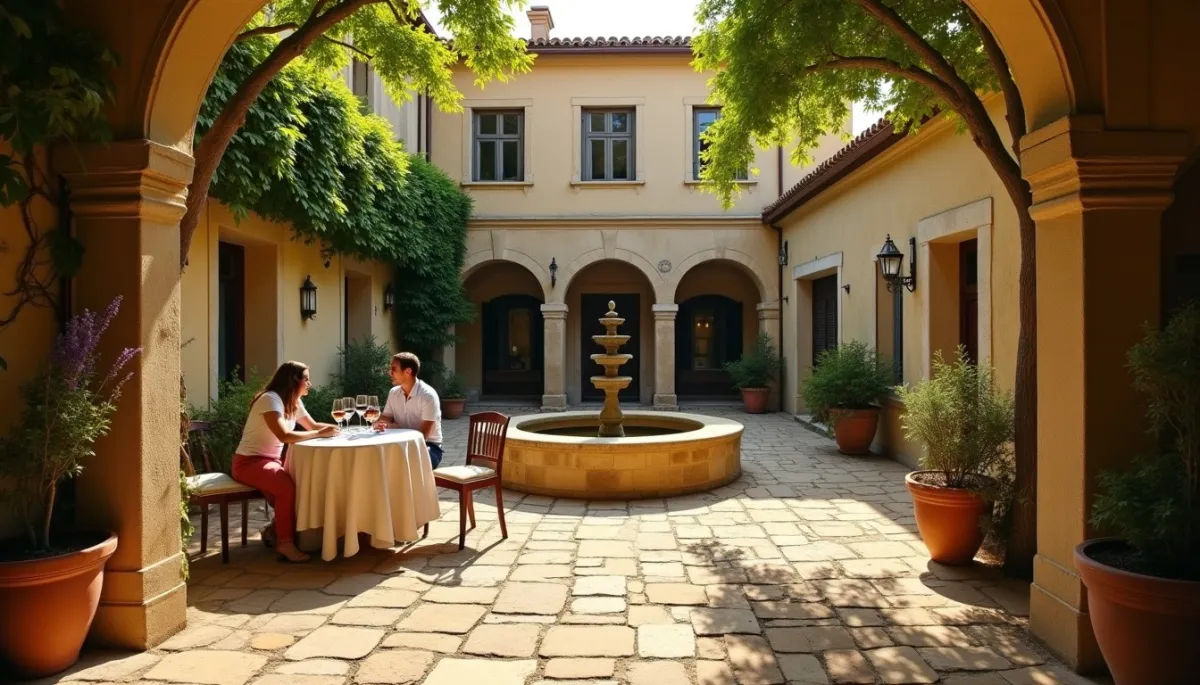
Visits to mills such as those near Cotignac or Seillans combine explanations on cultivars (picholine, aglandau), cold-pressing methods, and tastings. Olive oil tasting resembles wine tasting: look for fruitiness, bitterness and peppery finish. Producers explain how harvest timing and milling within 24 hours impact quality.
Many farms offer seasonal workshops: picking olives, participating in crushing, or blending your own bottle. These hands-on moments are precisely what agritourism promises: to transform a product into a story you carry home.
Racines partagées
Agritourism in the Var is a response to changing travel habits. Since the early 2020s, more visitors seek outdoor, authentic and sustainable experiences. Small producers open their doors, not only to sell, but to educate and to create links between city diners and rural life.
Local initiatives, such as guided truffle walks, olive-oil itineraries and farm stays, diversify rural incomes. Municipalities and associations promote routes like the "route de l'olive" and seasonal markets to keep villages vibrant year-round, beyond the summer seaside peaks.
This model helps preserve agricultural landscapes, maintain terraced fields and support traditional pruning or grafting techniques. It also encourages younger generations to consider farming as a viable livelihood when tourism revenue complements production.
Finesse et tensions
However, the boom of experiential tourism brings tensions. Increased visitor numbers can strain fragile ecosystems, especially during sensitive seasons for wildlife or cultivation. Truffle grounds are private; unregulated foraging has, in some areas, reduced yields and sparked conflicts.
There is also the risk of commodification. When every farm offers a 'truffle experience', quality can become uneven. Responsible operators focus on small groups, accurate education and sustainable practices rather than mere spectacle.
Public authorities and professional bodies work together. In recent years, communes like Aups and Draguignan have tightened event schedules and promoted certified producers. The aim is to safeguard both the terroir and the visitor experience, maintaining authenticity without shutting out newcomers.
Conseils de terrain
If you plan a visit: prefer small, family-run tours and book in advance for winter truffle hunts. Wear sturdy shoes and respect farm rules. In olive season, ask about processing times and sample oils from different harvests to understand nuances.
When tasting truffles at home, store them wrapped in a paper towel inside the fridge and use them within a week. Grate them over eggs, risottos or simply on warm buttered toast to appreciate the aroma.
Finally, bring curiosity. Talk to producers about grafting, stone terraces and water management. These conversations reveal how much landscape, history and climate are contained in a single slice of truffle or a drizzle of oil.
Thanks for reading, and don't forget, Enjoy Life Moments!