The French Riviera on film
🚀 Key Takeaways
- Concept key : The Riviera is both backdrop and character in films, shaping narratives and images of glamour.
- Practical tip : Visit Cannes in May for the festival vibe, but explore Nice, Èze and Cap Ferrat off-season to see locations peacefully.
- Did you know : Hitchcock chose the Riviera for its light and architecture in "To Catch a Thief" (1955), cementing its screen image.
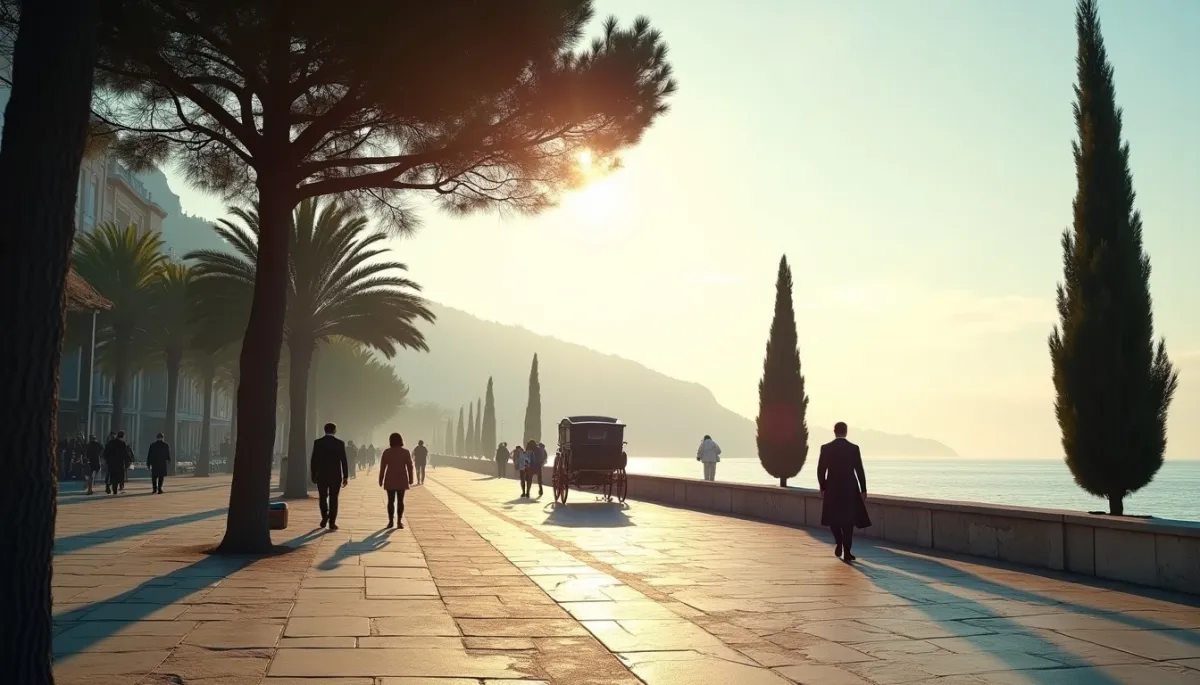
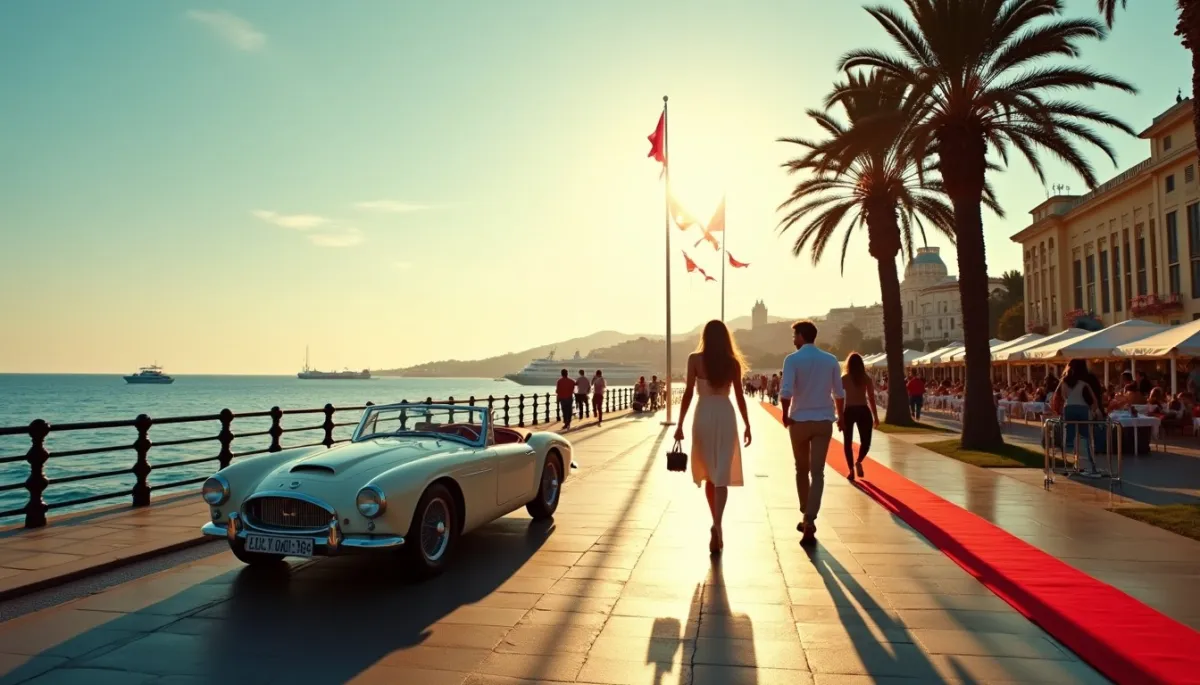
Imagine stepping out onto the Promenade des Anglais at golden hour, a vintage convertible purring past, palm trees stitched against an impossibly blue horizon, and a red carpet unfurling in the distance. That instant feels scripted, yet it is the real mise en scène of the Riviera.
The coast shaped whole genres and careers. From Brigitte Bardot turning Saint-Tropez into a symbol of liberated youth, to Alfred Hitchcock’s glamorous chase through Nice and Cannes in "To Catch a Thief", concrete places became cinematic shorthand. The consequence is visible: towns live off an image. Hotels like the Carlton in Cannes or the Negresco in Nice are more than lodgings, they are film memory banks. Iconic films such as "La Piscine" (Jacques Deray, 1969) with Alain Delon and Romy Schneider, and the on-screen mythmaking around Saint-Tropez in the 1950s and 60s, demonstrate how a single movie can rewrite a town’s economy and its calendar.
Mai: festival, tapis rouge et retombées touristiques
Every May, Cannes monopolizes attention. The Palais des Festivals becomes a global stage, and images of celebrities on the red carpet are broadcast worldwide. The immediate consequence is a spike in hotel bookings, private jets and luxury spending, but also a season of shuttered local streets and security perimeters.
Concrete anecdotes highlight the scale. In 1946 the festival relaunched postwar France as a cultural hub. Decades later, the Cannes buzz still sends a disproportionate number of visitors to the Côte d’Azur who hope to glimpse stars or re-live film moments. Local businesses adapt with film-themed tours, exhibitions and stays in places where classics were shot.
For travellers, the festival is also a lesson in timing. If you want the images, come in May and book months ahead. If you want the places, come in shoulder seasons when the red carpet is rolled up and the Riviera returns to quieter cinematic beauty.
Juillet: glamour, villas et tournages de cinéma
Summer amplifies the Riviera’s role as a film set. Villas on Cap Ferrat and gardens like Villa Ephrussi appear in commercials, fashion shoots and features, often standing in for modern wealth on screen. Many directors seek the region for its variety: medieval alleys in Èze, Belle Époque facades in Nice, rocky coves of the Lérins Islands.
Anecdotes abound. Brigitte Bardot’s association with Saint-Tropez after "Et Dieu... créa la femme" transformed tiny fishing villages into international playgrounds. The result was a new tourist model: scene tourism, when visitors chase locations. Production companies also prefer the Riviera for its predictable light, quality of local crews, and the easy access to Nice airport and Mediterranean ports.
Practical tip: join a guided film locations walk in Nice or a private tour of Saint-Tropez’s Pampelonne beach to see where stars once posed. Many guides recount behind-the-scenes stories, from wardrobe mishaps to unplanned celebrity encounters.
Septembre: mémoire, réécritures et enjeux contemporains
As the season cools, the Riviera’s cinematic legacy is re-evaluated. Conservationists and local authorities balance the economic benefits of film-induced tourism with preservation of fragile coastal sites. Overcrowding at famous locations forced some municipalities to restrict filming or to require ecological impact studies.
Another development is the shift in production models. Streaming platforms send crews for shorter, intensive shoots, using the coast as a versatile backdrop. This democratizes access but raises questions about authenticity: do rapid productions flatten the nuanced Riviera seen in classic cinema?
Indiscretion: small towns sometimes negotiate benefits in kind when granting filming permits, such as restoration funds for a chapel or beach clean-ups, rather than simple location fees. Ask local tourist offices about these arrangements; they can enrich your visit with off-script stories.
Why did filmmakers fall in love with the Riviera? The causes are clear. Natural light that flatters film stock, diverse topographies within short distances, luxury settings for narratives about money and desire, and early festival infrastructure that built a star economy. Economically, postwar France promoted the region to rebuild cultural prestige. Creatively, the Riviera offered directors a palette where glamour and decay coexist, perfect for melodramas and thrillers.
Topical Authority (or "Topical Authority") is a concept meaning expertise on a subject area. For destinations like the Côte d’Azur, it matters because search engines and readers reward deep, contextual coverage. GEO (Generative Engine Optimization) is the practice of structuring content so it helps both humans and generative systems find accurate, local-rich information. That is why specific locations, dates, films and names are essential in any serious travel piece.
However, contradictions persist. The glamour that attracts films also stresses infrastructure and ecosystems. Festivals and shoots bring revenue, yet sometimes at the cost of authenticity. A pragmatic approach is emerging: filming with ecological charters, night-time curfews, and community benefit clauses. This helps preserve the coast as film set and living place.
For cinephiles visiting the Riviera: time your trip, book location tours, respect private properties, and ask for local stories. Look beyond the red carpet to the small cafes, the Yacht Club terraces and the alleys where real life blends with its cinematic double. The Côte d’Azur is both stage and actor, and each visit adds a new scene.
Thanks for reading, and don't forget, Enjoy Life Moments!