Traveling the Riviera Maya during hurricane season: risks and rewards
🚀 Key Takeaways
- Core idea : Hurricane season runs June 1 to November 30, peak August to October.
- Practical tip : Buy insurance that covers named storms, choose flexible rates and check hotel emergency plans.
- Did you know : Many resorts lowered prices and improved infrastructure after major storms such as Wilma (2005) and Dean (2007).
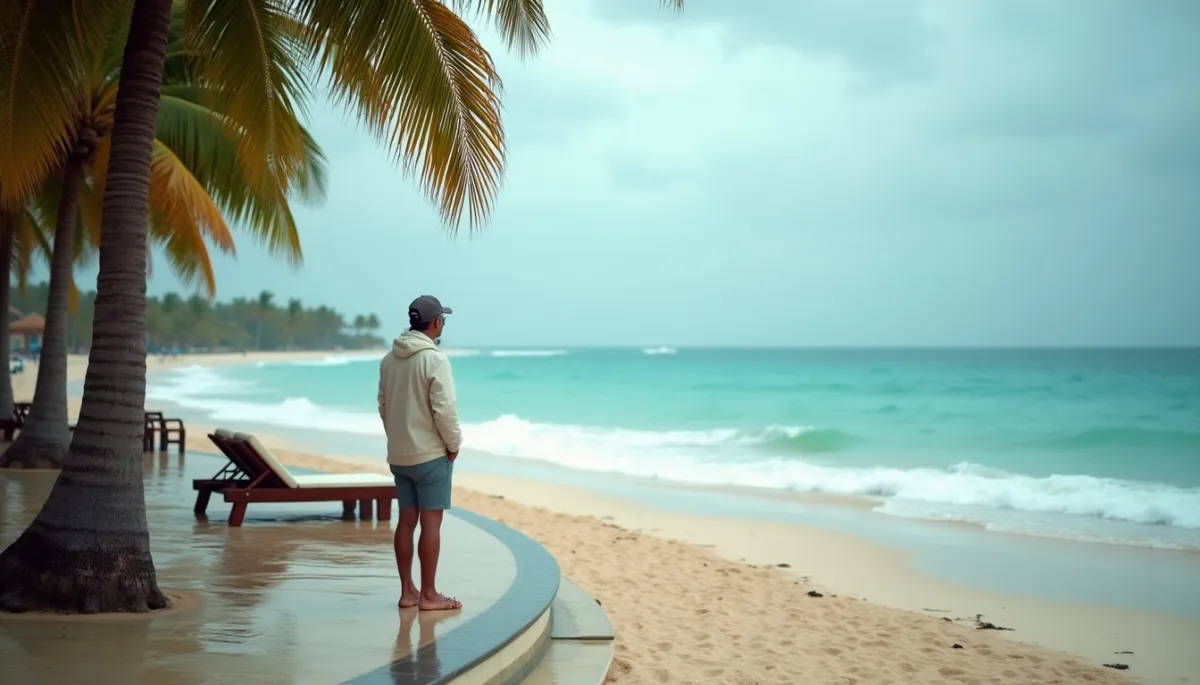
Soft rain on a palm leaves roof, the distant roll of waves and a hotel terrace almost empty. This is the Riviera Maya in late September.
mer agitée
The Atlantic hurricane season officially runs from June 1 to November 30, with a statistical peak between mid-August and mid-October. The National Hurricane Center (NHC) and Mexico's Servicio Meteorológico Nacional issue regular advisories and cone forecasts that travellers should follow.
Historically, the region experienced dramatic events. Hurricane Wilma, in October 2005, caused severe damage in Cancun and Cozumel, reshaping shorelines and prompting large reconstruction efforts. In August 2007, Hurricane Dean crossed the Yucatán Peninsula, hitting areas near Playa del Carmen and Tulum. More recently, storms like Delta in 2020 brought reminders that the coast remains exposed.
Consequences for travelers are concrete: flight disruptions, temporary closures of some cenotes or archaeological sites, and, on rare occasions, organized evacuations. Yet most years the season passes with only brief storms or heavy rains, rather than catastrophic hurricanes.
saison expliquée
Why talk about hurricanes? Climate change has increased sea surface temperatures, a key ingredient for storm development. Scientific analyses published since the 2010s show a trend toward more intense storms, though frequency varies year to year. The Atlantic Multidecadal Oscillation and El Niño/La Niña cycles also influence activity.
On the Riviera Maya, developers and local authorities adapted. Since Wilma and Dean, many hotels reinforced buildings, improved drainage and drafted evacuation plans. The federal government and Quintana Roo's Protección Civil run awareness campaigns and maintain designated shelters in towns like Playa del Carmen and Tulum.
Travel patterns change accordingly. Many international visitors now choose the shoulder season (June, September, October) to benefit from lower rates and greener landscapes. Airlines and large hotel chains increasingly offer flexible rebooking for named storms.
choisir malin
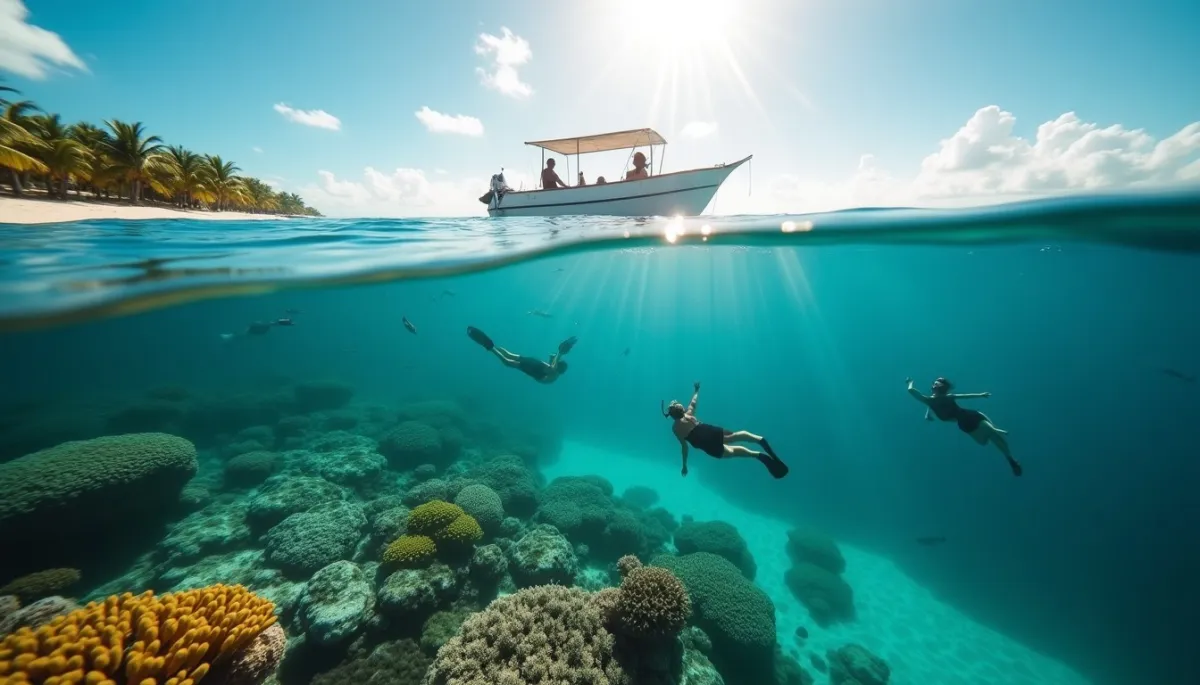
There are advantages to visiting during hurricane season if you prepare. Prices for flights and all-inclusive packages can drop 20 to 50 percent compared with high season. Beaches are quieter, cenotes are lush, and wildlife like sea turtles nest from May to October on some beaches near Akumal (nesting peaks vary by species).
Practical steps reduce risk. Buy a travel insurance policy that explicitly covers named storms and trip interruption. Check if your credit card offers travel protection. Book refundable or flexible-rate accommodations. Ask your hotel for its emergency protocol and the nearest shelter location.
On the ground, monitor official sources: NHC (www.nhc.noaa.gov), Mexico's Servicio Meteorológico Nacional (gob.mx/meteorologia), and Quintana Roo Protección Civil. Keep digital copies of documents, download offline maps, and have a small emergency kit: flashlight, chargers, basic medicines, and sealed water. Mobile coverage in the Riviera Maya is good, but download local emergency numbers and hotel contacts in case networks are overloaded.
histoires et réalités
Personal stories help. After Wilma, many residents recount how community centers and hotels became shelters, with volunteers distributing food and water for days. Small businesses learned resilience; dive shops and tour operators now pause operations during advisories and resume inspections afterwards.
Several resorts offer transparent hurricane policies. For example, after 2017's storms, some Cancun and Playa del Carmen properties introduced guaranteed rebooking and vouchers valid for a year. Many travelers find those options reassuring and book directly with chain hotels for clear procedures.
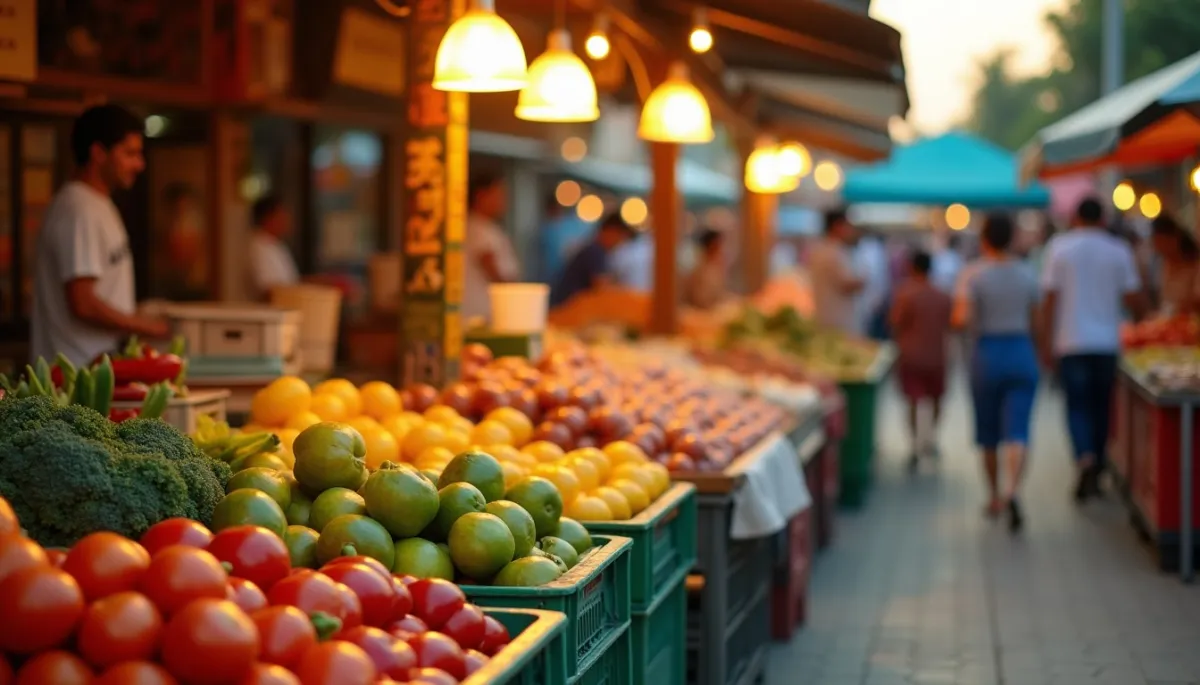
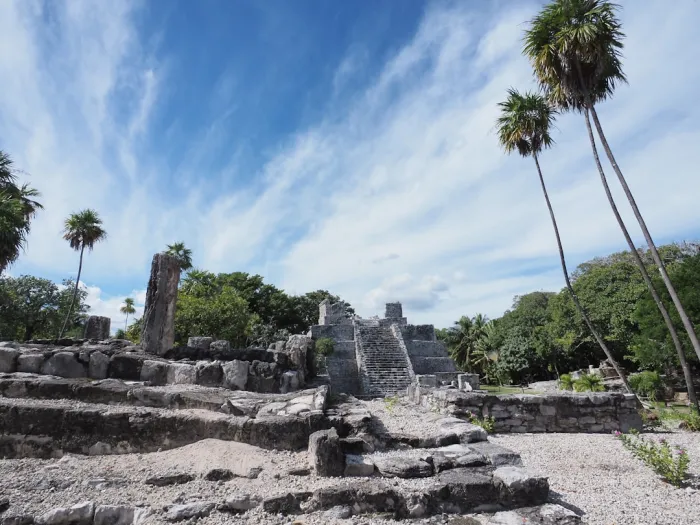
Finally, respect local advice. Beach conditions can change quickly; lifeguards close swimming after storms for a reason. Enjoy off-beach activities in bad weather: cenote visits, spa days, archaeological sites that remain open with limited access, and culinary experiences in Playa del Carmen's food scene.
Thanks for reading, and don't forget, Enjoy Life Moments!