Why is cenote water so clear?
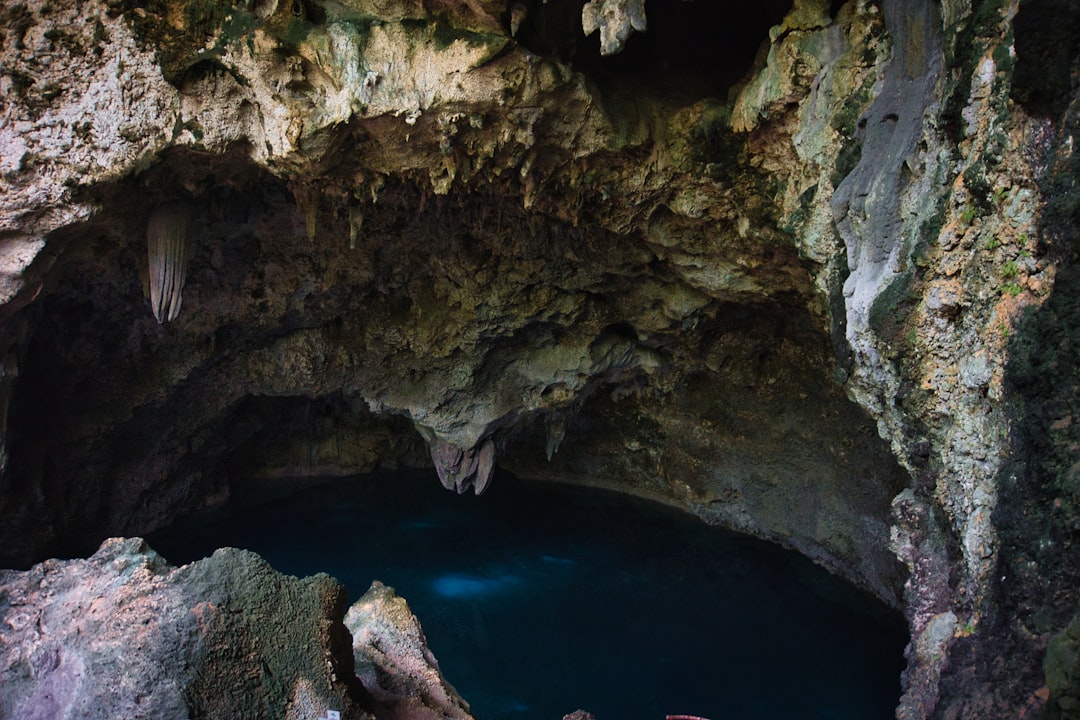
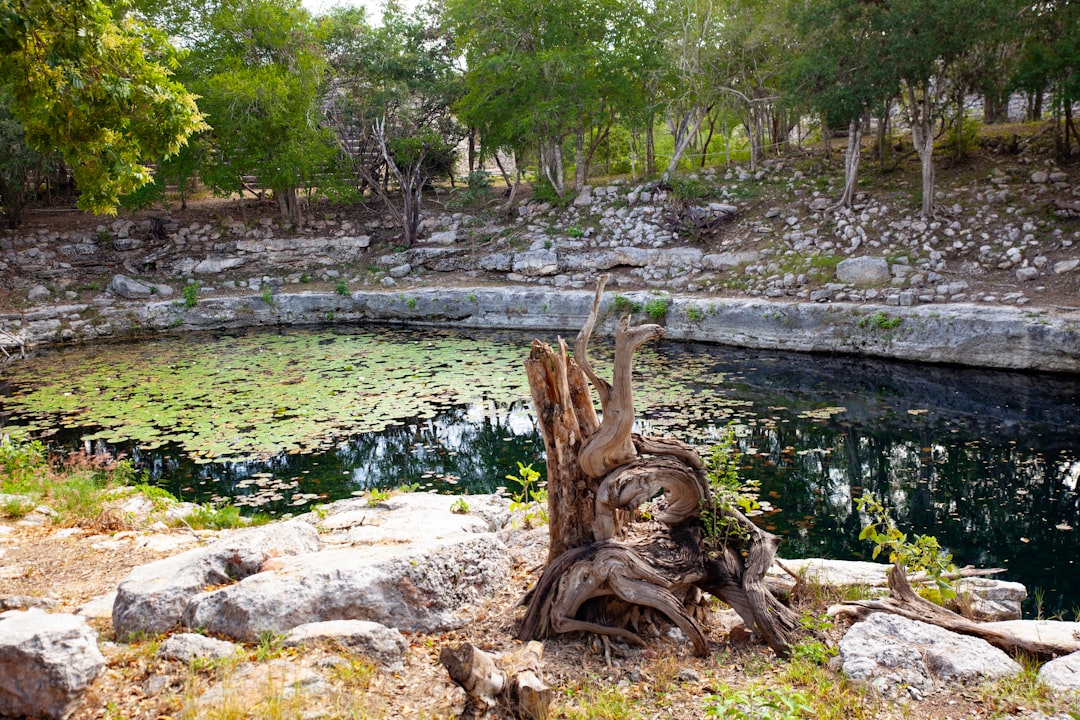
Cenotes are natural sinkholes where groundwater reaches the surface, and on the Yucatán Peninsula they form the visible portals of a vast underground karst system. Their water often appears impossibly clear, inviting swimmers and divers to peer into seemingly infinite blue-green depths.
Understanding that clarity means looking at what the rock, water flow and living systems do together. The result is a natural filtration system that removes suspended particles, limits algal growth and preserves optical transparency.
Karst geology: nature's filter
The Yucatán is a limestone platform riddled with caves and conduits carved by acidic rainwater over millions of years. As surface water sinks through fissures, it dissolves and moves through porous carbonate rock, which traps and removes sediments and particulates that would otherwise cloud the water.
Limestone acts like a wide, distributed filter: tiny channels and voids slow particulate transport and allow fine material to settle or be adsorbed onto mineral surfaces. This geological filtration is a primary reason cenotes deliver such clear water to the open pools.
Aquifers, freshwater lenses and the halocline
Many cenotes are linked to the coastal aquifer where fresh groundwater floats on denser saltwater, creating a distinct halocline. This layering reduces vertical mixing and keeps surface waters free from deeper, sediment-laden flows.
Groundwater feeding cenotes typically has traveled slowly through rock, so it carries few suspended solids. The steady, low-energy flow also prevents frequent resuspension of sediments—another factor that preserves visual clarity.
Biological and chemical factors that limit cloudiness
Clear water is not just physical: chemistry and biology matter. Low nutrient levels in many cenotes limit algal blooms and turbidity-producing microorganisms. Where nutrients are scarce, photosynthetic algae remain sparse and water stays transparent.
Calcium carbonate precipitation in cave systems can trap tiny particles, and microbial communities adapted to low-light, low-nutrient conditions often form stable mats rather than free-floating blooms. Together these processes keep suspended matter to a minimum.
Human impact and the risks to clarity
Despite natural resilience, cenotes are sensitive to human pressure. Sunscreens, soaps, trash and runoff from agriculture can raise nutrient loads, triggering algal growth and reducing clarity. Heavy tourist use can stir sediments and damage fragile cave features.
Protecting cenote water means limiting pollutants and managing visitor behavior. For practical travel info and popular cenotes to visit responsibly, check local resources like TripAdvisor for site-specific guidelines and reviews: TripAdvisor Mexico. For deeper background on cenotes and their geology, authoritative context is available from National Geographic: National Geographic.
How to enjoy cenotes without harming them
Simple choices keep cenote water clear: avoid sunscreens and lotions before swimming, rinse off at designated stations, do not use soaps in the water, and follow marked paths and guide instructions. Small actions by visitors make a big difference.
Choose guided tours that follow conservation rules, visit less crowded cenotes during off-peak hours, and respect local management measures. By minimizing pollution and physical disturbance, we help ensure these striking clear waters remain for future generations.
Thanks for reading, and don't forget, Enjoy Life Moments!