Can you fish freely in the Riviera Maya?
🚀 Key Takeaways
- Key concept : Recreational fishing is popular, but local regulations and protected areas apply.
- Practical tip : Book a licensed charter and confirm rules and seasons before you fish.
- Did you know : Biosphere reserves such as Sian Ka'an and Isla Contoy include no-take zones where fishing is prohibited.
The Riviera Maya invites anglers with clear water, abundant life and the chance of a memorable catch. Yet the idea of fishing “freely” oversimplifies a patchwork of federal, state and local rules, plus important protected areas.
As an expert local guide, I recommend understanding where you are allowed to fish, which species are protected, and how to fish responsibly to preserve this coastline for the next generation.
Legal framework and permits
Fishing in Mexico is governed by federal laws and regulations that apply to marine and coastal waters. Some activities, especially commercial fishing, require permits, and local authorities can enforce conservation rules.
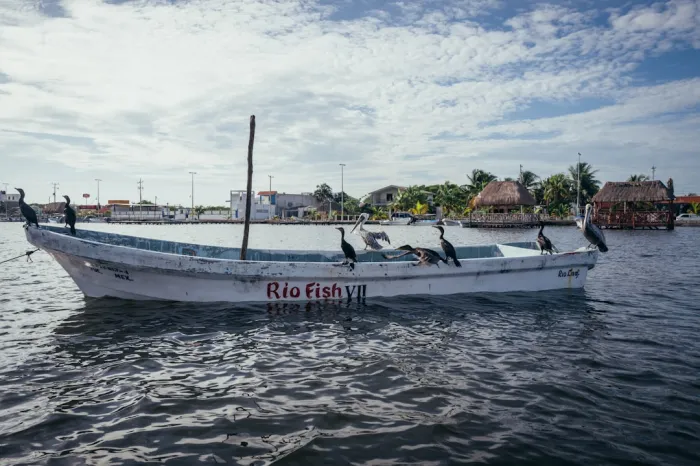
For recreational anglers, the practical rule is to verify requirements locally. Many sport-fishing charters operate under licences and handle paperwork, but if you plan independent shore or pier fishing, check with the municipality or the charter you hired.
Protected areas you must avoid
The Riviera Maya contains several protected sites, including biosphere reserves and national parks. In core zones of places like Sian Ka'an and Isla Contoy, fishing is prohibited to protect habitats and spawning grounds.
Even outside official reserves, there are seasonal closures and restrictions for species during spawning or recovery periods. Ignoring these can lead to fines and harm to local populations.
Common species and seasonal considerations
Anglers often seek snapper, grouper, tarpon, snook and reef species along the coast and around offshore ledges. However, size limits, bag limits and seasons may apply to some of these species.
Before you fish, ask about current season dates and size rules. Local captains, dive shops and park offices are the best sources for up-to-date restrictions that protect breeding cycles.
Practical tips for recreational anglers
If you want to fish responsibly, prefer catch and release for large breeders, avoid fishing over coral heads and use circle hooks to reduce harm. Early morning and late afternoon are often the most productive times.
Carry basic identification and follow the captain's guidance. A licensed charter will usually have the proper waste handling, safety gear and knowledge to avoid restricted zones.
Penalties and best practices
Penalties range from warnings to fines, and in serious cases, confiscation of gear. Enforcement varies, but officials take protections seriously in sensitive areas to preserve biodiversity and local livelihoods.
To avoid trouble, always ask permission for shoreline access, respect signage, and prioritize sustainable choices. Your best option is to fish with experienced, licensed professionals who know local rules.
Thanks for reading, and don't forget, Enjoy Life Moments!